News
5 Pointers that Your Plumber Wants You to Use to Unblock Drains

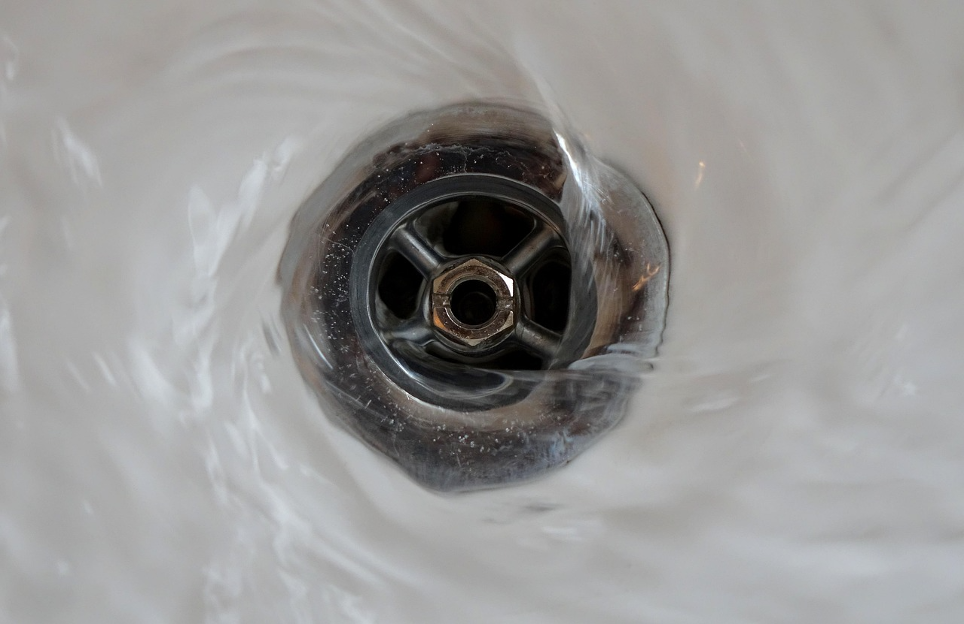
Photo by Pexels
One of the quickest ways to spoil your day involves discovering a blocked outdoor drain. These unsightly and sometimes foul-smelling issues not only make a mess outside but can also cause backflow into your indoor plumbing pipes. There’s also the risk of disease and bacteria being spread around.
When this happens, it’s always a good idea to call the blocked drain plumber Melbourne residents rely on to avoid major plumbing issues. Keep reading as we share a few essential pointers that will help you unblock minor drain issues before they escalate into more concerning issues.
Cracking Down on the Reasons for Blockages
For many homeowners, an outdoor drain issue isn’t the most urgent issue they can have in the plumbing department. This is usually because whatever’s going on outside isn’t affecting the indoors. However, if left unattended for too long, the issue could potentially cause damage to your home and your property.
Some of the more common causes of drain blockages are:
- External factors such as shrub or tree roots, leaves, and soil
- Bulky, non-biodegradable Items being flushed down the toilet (wet wipes or sanitary products)
- Build-up of hair and soap scum from the bath and shower
- Oil, fat, grease, and food scraps are being rinsed down kitchen pipes
- Old and worn plumbing pipes
DIY the Minor Issues
You may have heard that it’s never a good idea to DIY your home’s plumbing. While that’s sound advice, the good news is that if you’re dealing with a minor drain blockage, a few simple tricks could get the clog moving along. Here’s what you need to know.
1. Invest in Quality Rubber Gloves
The first pointer you should know when you’re going to be cleaning or working in your drain is to invest in a pair of quality rubber gloves. While it may only seem like the problem is a bunch of leaves on the surface, there could be a much worse clog just below what you can see.
Keep in mind that this blockage would already have started spreading bacteria. The gloves you buy for the drain should never be worn to do anything else and should be cleaned regularly.
2. Learn the Boiling Water Trick
One of the oldest and simplest DIY plumbing hacks is the boiling water trick. This hack works perfectly for minor clogs that may be stuck between your sink and the drain. Hair, soap scum, oil, and food scraps often cause these.
Here’s how the boiling water trick works:
- Boil water in your kettle or on the stove
- Pour the boiling water slowly down the drain
- Repeat a few times if the water is still draining slowly
3. Vinegar and Baking Soda
Another DIY hack that’s equally effective for minor sink-related clogs is vinegar and baking soda. Since vinegar has anti-bacterial properties and baking soda is abrasive, this solution works well to remove odours and bacteria.
This is how you do it:
- Create the solution by mixing equal parts of vinegar and baking soda
- Mix well
- Slowly pour the mixture down the drain and wait for it to fizz
- The fizzing here is a sign that the blockage is breaking down
- Repeat if necessary
- You can also rinse the drain or sink with boiling water after you have applied the solution
4. Caustic Soda (Use with caution)
Hot water and vinegar will only take you so far. If the clog is not in the section of the pipe that’s in the house, then you may need something slightly stronger. Typically, caustic soda is a harsh and abrasive cleaning agent designed to clean drains. However, it can burn your skin quite severely, so please use this product with caution. Use as directed on the container or as per your plumber’s instructions.
5. Opt for DIY Gadgets
It’s no secret that plumbing tools can be costly, and if you’re not entirely familiar with how one works, then there’s a huge risk that you may damage the plumbing fixtures. Many homeowners swear by the wire hanger trick, which doesn’t involve costly tools.
Keen to know how to turn your old wire hanger into a drain tool? Here’s how:
- Straighten the wire hanger as much as you can
- Gently bend one end to create a small hook
- Slowly insert the hooked end into the inside drain pipe and move it around to loosen any debris that may be stuck to the pipe walls
- If you’re able to pull anything out, be sure to rinse the drain with hot water to rinse out any smaller, remaining debris
- Mix a vinegar and baking soda solution down the drain to wash out odours and bacteria.
Final Thoughts
The golden rule for avoiding clogs in your drains and sinks is to clean them regularly. Speak to your plumber for tips and special cleaning agents to use in your specific drainage system. If you already have your local plumber doing preventative maintenance on your property, it may be a good idea to have them check the drains. Having your drains professionally cleaned will go a long way toward preventing minor and major blockages!




-

 Resources4 years ago
Why Companies Must Adopt Digital Documents
-

 Resources3 years ago
A Guide to Pickleball: The Latest, Greatest Sport You Might Not Know, But Should!
-

 Guides2 years ago
Guest Posts: Everything You Should Know About Publishing It
-

 Resources9 months ago
50 Best AI Free Tools in 2025 (Tried & Tested)