Blogs
6 Important Steps You Should Take After Medical Negligence in Queens, NY

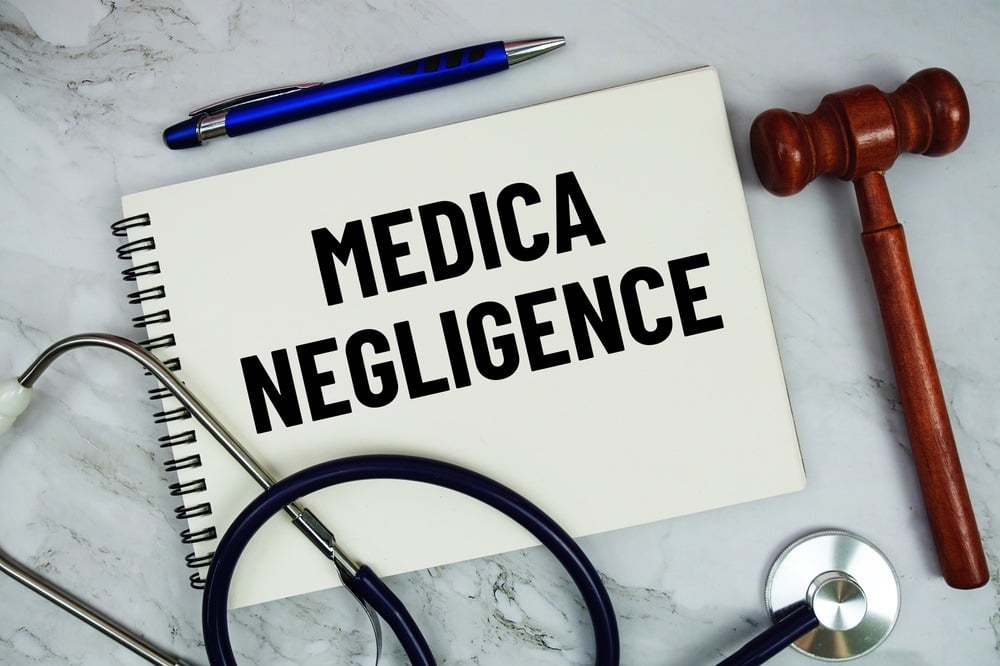
Medical care should bring answers, not more questions about your health. Yet, an unexpected injury, a missed diagnosis, or a mistake during treatment can leave you unsure about what went wrong. Medical negligence can affect your health, daily routine, and trust in the people responsible for your care. In Queens, patients who suspect a medical error need clear information before making decisions about their next steps.
A Queens medical malpractice lawyer may help explain the legal process, but keeping records and protecting your health come first. Here are six practical steps to consider after a suspected medical error.
1. Get Medical Care for Your Current Condition
Your health must come first after a suspected medical error. If treatment has caused new symptoms or made an existing condition worse, contact a qualified healthcare professional for an assessment. Seek emergency care for serious symptoms, such as trouble breathing, heavy bleeding, or sudden weakness.
Explain your symptoms clearly and share details about the treatment you received. Another doctor may review your condition, suggest further tests, or recommend a different treatment plan. Do not delay needed care while trying to work out who made a mistake.
2. Collect Your Medical Records
Medical records can help explain what happened during your care. These documents may show your symptoms, test results, diagnosis, prescribed medicines, and the treatment provided. Request copies from the hospital, clinic, or healthcare provider involved.
Keep the documents organized and save copies in a safe place. Useful records may include:
- Hospital discharge papers and treatment notes.
- Laboratory reports and imaging results.
- Prescription details and medication instructions.
- Follow-up visit summaries and bills.
Keep a written list of important dates, appointments, and changes in your condition. These details can help a qualified professional review the events in the right order.
3. Write Down What You Remember
Medical visits can involve many details, and memories may become less clear as time passes. Write down what you remember about the treatment, the instructions you received, and any concerns you raised. Include dates, names, and the answers given by medical staff, if you recall them.
Keep your notes factual rather than guessing about what a doctor intended. If you have emails, appointment messages, or written instructions, save them with your other records. Do not change original documents or remove details that seem unimportant. A clear record can help a professional understand your concerns without relying only on memory.
4. Understand What Medical Negligence Means
A poor medical outcome does not automatically mean that negligence occurred. Some illnesses remain difficult to diagnose, and treatments can carry known risks even when medical staff follow proper procedures. A closer review may be needed to understand whether the care provided fell below accepted medical standards and caused harm.
Medical negligence may involve a missed diagnosis, a treatment error, a surgical mistake, or a failure to explain important risks. Each situation depends on its facts, the medical evidence, and the applicable law. Avoid making firm conclusions before the available records have been reviewed by qualified professionals.
5. Keep Track of Expenses and Other Losses
Medical problems can bring extra costs beyond the original treatment bill. Keep records of expenses linked to your condition, including follow-up appointments, medicines, tests, and travel for medical care. Save receipts and insurance statements instead of relying on rough estimates.
You may also record missed workdays and lost income, along with documents from your employer that support those amounts. If you need help with everyday tasks because of your condition, note those changes as well.
Accurate records can help show the financial effect of an injury. However, not every expense is recoverable under the law, and the value of any claim depends on the facts and supporting evidence.
6. Learn About Your Legal Options
After gathering records, you may choose to speak with a qualified professional about whether the care you received raises legal concerns. A Queens medical malpractice lawyer can review the available information, explain possible legal issues, and discuss what further records or medical opinions may be needed.
New York has specific rules for medical malpractice claims, including filing deadlines and requirements that may apply to particular cases. These rules can depend on the circumstances, so do not assume that you have unlimited time to act. Keep copies of all documents you share and ask clear questions about the process, possible costs, and next steps before making decisions.
Take a Careful Approach to Your Next Steps
Suspected medical negligence can leave important questions unanswered, but careful action can help you protect your health and keep useful information together. Get appropriate medical care, preserve your records, document expenses, and avoid making assumptions before the facts are reviewed. If you are struggling to understand what happened during your treatment in Queens, a qualified attorney may help explain your rights and available options. Taking time to review the circumstances can help you approach the situation with greater clarity.
Frequently Asked Questions
Can a bad medical result prove negligence?
No. A poor result alone does not establish negligence. The facts, medical records, accepted standards of care, and connection between the treatment and the injury may need to be reviewed.
What records should I request first?
Start with treatment notes, test results, prescriptions, discharge papers, and follow-up records. You may also request billing statements and copies of relevant written instructions.
Is there a deadline for filing a medical malpractice claim in New York?
Yes. New York generally has a two-year and six-month limitation period for medical malpractice claims, but exceptions and special rules may apply. The starting date can depend on the circumstances. Obtain advice about the deadline for your particular situation.



-

 Resources5 years ago
Why Companies Must Adopt Digital Documents
-

 Resources4 years ago
A Guide to Pickleball: The Latest, Greatest Sport You Might Not Know, But Should!
-

 Resources1 year ago
50 Best AI Free Tools in 2025 (Tried & Tested)
-

 Resources1 year ago
Get Paid $5000+ a month to write : Discover 30 Spectacular Websites That Reward Your Writing Effort