
As energy costs and environmental concerns influence how people manage their properties, heating, ventilation, and air conditioning systems are becoming an important focus for technological innovation.
Smart HVAC solutions are changing the way homeowners and businesses monitor energy consumption, maintain indoor comfort, and manage building operations. From connected thermostats to artificial intelligence, emerging technologies are helping transform traditional climate control into a more responsive and data-driven process.
The Evolution of Smart HVAC Systems
Traditional HVAC systems typically operate according to manually selected temperatures and predetermined schedules. While effective, this approach does not always account for changing occupancy patterns, weather conditions, or energy requirements.
Smart HVAC technology introduces connected devices, sensors, and automated controls that allow systems to respond to real-world conditions.
Instead of maintaining the same temperature throughout the day, intelligent systems can adjust heating and cooling based on when people are present, how rooms are used, and changing outdoor temperatures.
This creates opportunities to reduce unnecessary energy consumption without sacrificing indoor comfort.
Smart Thermostats and Automated Climate Control
Smart thermostats are among the most accessible innovations in the HVAC industry.
These devices allow users to monitor and adjust indoor temperatures remotely through mobile applications. Some models can learn household routines, detect occupancy, or automatically adjust temperature settings when a building is unoccupied.
For businesses, automated climate control can be particularly useful in offices, retail environments, and other commercial spaces with predictable operating hours.
However, the effectiveness of these technologies still depends on the condition and compatibility of the underlying HVAC equipment.
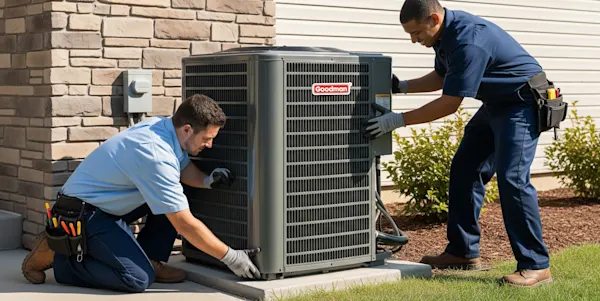
Companies such as Airflow Heating & Air represent the essential service side of this evolving industry, helping homeowners address heating and cooling needs while technology continues to change how these systems are operated.
Artificial Intelligence and Predictive Maintenance
Artificial intelligence is creating new opportunities for improving HVAC performance and maintenance.
Traditional maintenance often relies on scheduled inspections or repairs after equipment failures. AI-powered monitoring systems can instead analyze operational data to identify patterns that may indicate developing problems.
For example, changes in operating temperatures, energy consumption, or equipment performance could signal that a component requires attention.
Predictive maintenance may help property managers reduce unexpected downtime, improve equipment reliability, and make more informed decisions about maintenance investments.
For technology startups, this presents opportunities to develop specialized monitoring platforms, diagnostic software, and connected sensors for residential and commercial applications.
The Role of IoT in Building Management
The Internet of Things, commonly known as IoT, allows physical devices to communicate and exchange information through connected networks.
In smart buildings, HVAC systems can interact with occupancy sensors, lighting controls, weather data, and other building management technologies.
An office building, for example, can use occupancy information to adjust cooling in conference rooms that are not being used. Residential systems may respond to changing temperatures or scheduled periods when nobody is home.
Connecting multiple systems creates a more comprehensive approach to building efficiency rather than treating each device as an isolated component.
Energy Efficiency as a Business Opportunity
The growing demand for smarter buildings creates opportunities for entrepreneurs working in energy management, climate technology, and property technology.
Potential areas for innovation include:
- AI-powered HVAC diagnostics
- Energy consumption monitoring platforms
- Smart thermostats and connected sensors
- Automated building management software
- Energy efficiency optimization for commercial properties
- Predictive maintenance solutions
Developing successful products in these areas requires more than technological capabilities. Startups must also consider equipment compatibility, cybersecurity, installation requirements, customer adoption, and the measurable benefits of their solutions.
The Future of Intelligent Climate Control
As HVAC systems become increasingly connected, the industry is likely to place greater emphasis on automation, energy management, and real-time performance monitoring.
Heat pumps, connected climate controls, and advanced building management systems may play an important role in reducing energy waste and improving the flexibility of residential and commercial buildings.
Nevertheless, reliable equipment, appropriate installation, and regular maintenance will remain fundamental. Smart software cannot compensate for every mechanical problem or inefficient building design.
Conclusion
Smart HVAC technology demonstrates how digital innovation can improve traditional infrastructure. By combining artificial intelligence, IoT connectivity, and automated controls, homes and businesses can manage indoor environments more intelligently.
For entrepreneurs, the intersection of climate control and technology offers opportunities to develop solutions that address practical challenges while supporting broader energy efficiency goals.
As adoption grows, collaboration between technology developers, property owners, and HVAC professionals will be essential to achieving lasting improvements in building performance.

Author: Kokou Adzo
Kokou Adzo is the editor and author of Startup.info. He is passionate about business and tech, and brings you the latest Startup news and information. He graduated from university of Siena (Italy) and Rennes (France) in Communications and Political Science with a Master's Degree. He manages the editorial operations at Startup.info.