Tech
Heating and Cooling Repair: Common Issues, Costs, and When to Call a Pro
Learn about heating and cooling repair: the most common HVAC issues, typical repair costs, and when to call a professional technician for safe, lasting results.

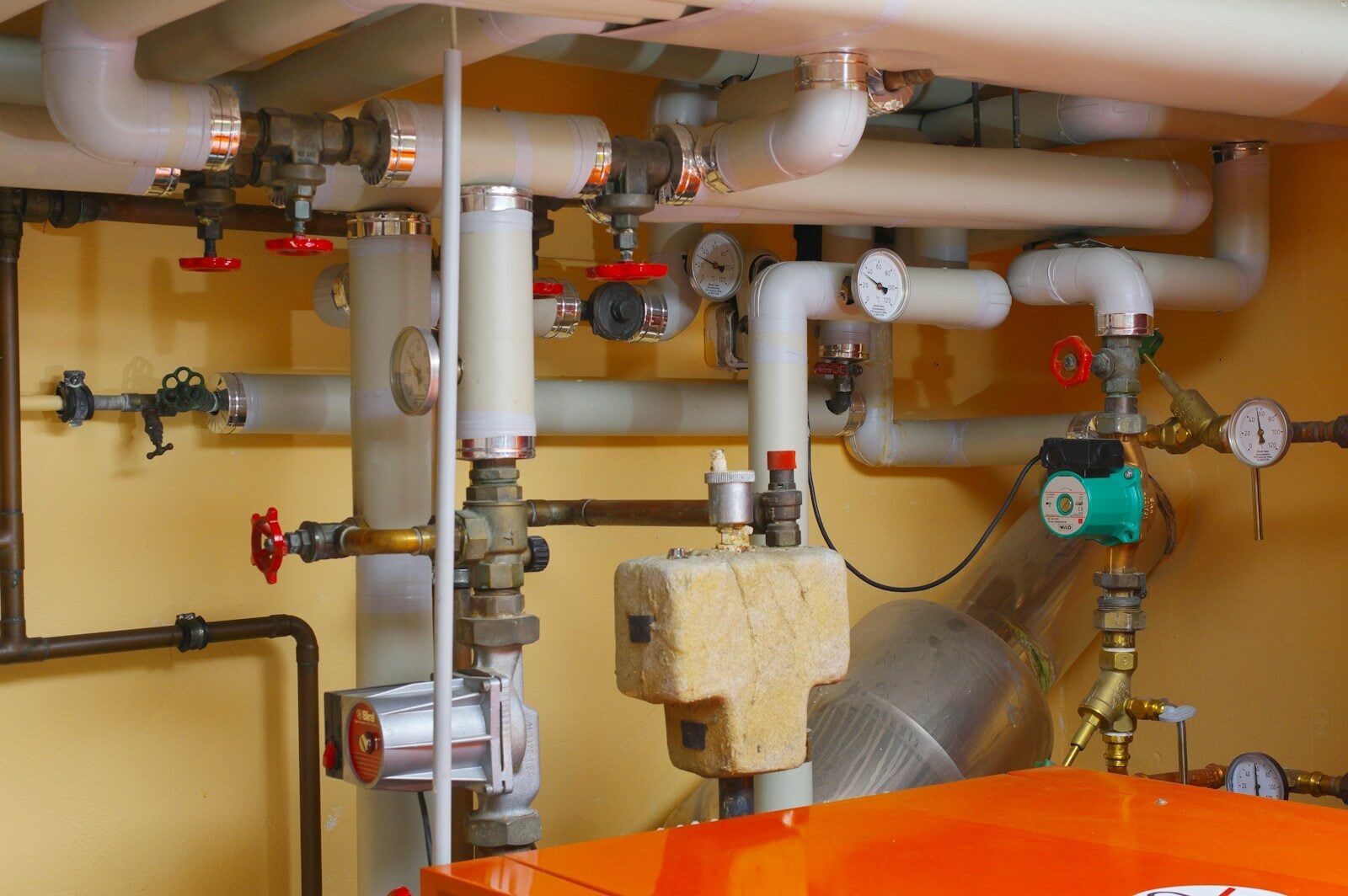
Heating and cooling repair is one of the most important home maintenance tasks you can prioritize. Your HVAC system works hard every season, and when it fails, the discomfort and expense can be significant. Understanding common problems, typical repair costs, and when to call a professional can save you time, money, and stress.
This guide covers everything you need to know about heating and cooling repair. Whether your system is blowing warm air in summer or leaving your home cold in winter, the right information helps you act fast and smart.
Most Common Heating and Cooling Repair Issues
HVAC systems fail for many reasons. However, a handful of problems account for the vast majority of service calls. Recognizing these early can prevent small issues from becoming expensive disasters.
Capacitor Failure
Capacitor failure is found in approximately 36% of emergency AC repair calls. Capacitors help start and run your unit’s motors. Heat, age, and voltage fluctuations cause them to wear out over time. Therefore, annual tune-ups that include capacitor testing are essential, especially in hotter climates.
Refrigerant Leaks
Refrigerant leaks account for about 25% of all cooling-related service calls. A 10% loss in refrigerant can cause a 20% drop in system efficiency. Additionally, low refrigerant leads to ice buildup on refrigerant lines, which can ultimately destroy your compressor if left untreated. Causes include corroded coils, poor installation, and mechanical wear.
Blower Motor Failure
Blower motor failure appears in 18% of no-heat or no-airflow complaints. The blower motor circulates air through your entire system. Dirty components, overheating, and electrical failure are the most common culprits. Furthermore, keeping filters clean and scheduling annual professional cleaning significantly reduces this risk.
Short Cycling
Short cycling occurs when your system turns on and off too frequently without fully heating or cooling your home. This wastes energy and strains the equipment over time. Clogged air filters, malfunctioning thermostats, and oversized units are the primary causes. As a result, short cycling leads to increased energy bills and reduced system efficiency.
Thermostat Malfunctions
A faulty thermostat is one of the easiest heating and cooling repair issues to overlook. However, it causes widespread problems including short cycling, inconsistent temperatures, and system failures. Always check thermostat calibration and settings before assuming a larger mechanical issue exists.
Clogged Drain Lines and Water Leaks
Puddles near your indoor unit typically signal a clogged condensate drain line. Meanwhile, water near a furnace can indicate more serious internal problems. Blocked drain lines encourage mold growth and can cause water damage to your home if not addressed promptly.
Dirty or Clogged Air Filters
A dirty air filter is the single most preventable cause of HVAC system problems. Restricted airflow forces your system to work harder, leading to overheating, ice buildup, and premature component failure. Therefore, replacing filters every one to three months is the simplest form of heating and cooling repair prevention available to any homeowner.
Heating and Cooling Repair Costs: What to Expect
Repair costs vary widely depending on the component, the severity of the problem, and local labor rates. On average, HVAC repair costs around $350, though prices range from $100 to $3,000 or more for major issues. Labor alone can account for as much as 50% of the total project cost.
Here is a breakdown of typical heating and cooling repair costs for common components:
Capacitor replacement: $120 to $250
Thermostat replacement: $100 to $600
Fan or blower motor: $200 to $700
Refrigerant recharge: $100 to $500
Refrigerant leak repair: $250 to $1,500
Circuit board replacement: $200 to $600
Ignitor replacement: $150 to $300
Heat exchanger repair: $100 to $1,500
Compressor replacement: $800 to $3,000
Coil replacement: $600 to $2,400
Duct repair: $500 to $2,000
Drain line cleaning: $75 to $200
For context, a full HVAC system replacement typically costs between $5,000 and $12,500 or more when extensive ductwork is required. Therefore, investing in regular maintenance and timely heating and cooling repair almost always makes more financial sense than delaying until a full replacement becomes necessary.
Factors That Affect Heating and Cooling Repair Costs
Several variables influence your final repair bill. Understanding them helps you budget accurately and avoid surprises.
System type: Mini-split repairs typically run $300 to $550, while packaged system repairs average $450 to $550
Age of the system: Older units often require harder-to-find parts, which increases costs
Severity of the problem: A simple filter replacement costs almost nothing, while compressor failure can approach $3,000
Emergency service: After-hours and weekend calls typically carry premium labor rates
Geographic location: Labor rates vary significantly by region
DIY Fixes vs. Professional Heating and Cooling Repair
Not every HVAC issue requires a professional. However, knowing the boundary between a safe DIY fix and a dangerous repair job is critical. Attempting complex repairs without proper training can void warranties, cause additional damage, and create serious safety hazards.
Safe DIY Tasks for Homeowners
Several basic maintenance tasks are safe for most homeowners to handle. Performing these regularly reduces the need for professional heating and cooling repair calls.
Replacing air filters every one to three months
Checking and adjusting thermostat settings
Cleaning vents and registers to ensure unrestricted airflow
Resetting circuit breakers after a power surge
Clearing debris from around the outdoor condenser unit
Cleaning the condensate drain line with a wet vacuum
When to Call a Professional for Heating and Cooling Repair
Some heating and cooling repair situations demand immediate professional attention. Attempting these repairs yourself risks injury, property damage, and costly mistakes that outweigh any short-term savings.
Call a licensed HVAC technician immediately if you notice any of the following:
Gas or burning smells: These indicate potential gas leaks or electrical fires, both of which are life-threatening emergencies
Repeatedly tripping circuit breakers: This points to an underlying electrical problem that requires expert diagnosis
Exposed, melted, or frayed wires: Damaged wiring can cause electrical fires and must never be handled without proper training
Buzzing, humming, or sparking sounds: These sounds from your HVAC unit signal serious electrical issues
Refrigerant handling: EPA regulations require certified technicians to handle refrigerants; DIY refrigerant work is illegal in many regions
Gas line or ignition system issues: These involve combustion components that are extremely dangerous to work on without specialized skills
System completely stops working: When basic troubleshooting does not resolve the issue, professional diagnosis is the safest and most efficient path forward
Additionally, DIY repairs can void manufacturer warranties. Always confirm whether your system requires professional service to maintain coverage before attempting any repair beyond basic maintenance.
Preventing the Need for Heating and Cooling Repair
Prevention is always cheaper than repair. Scheduling professional maintenance twice per year, once before summer and once before winter, is the single most effective way to reduce heating and cooling repair costs over the life of your system.
During a professional tune-up, technicians inspect capacitors, test electrical connections, check refrigerant levels, clean coils, lubricate moving parts, and assess overall system performance. As a result, many costly failures are caught early or prevented entirely. Studies consistently show that well-maintained HVAC systems last longer, operate more efficiently, and require fewer emergency repairs.
Furthermore, homeowners should monitor their energy bills closely. A sudden spike in monthly energy costs often signals a developing HVAC problem long before the system fully fails. Therefore, using energy bills as an early warning system gives you time to schedule heating and cooling repair before a minor issue becomes a major expense.
Choosing the Right Heating and Cooling Repair Professional
When hiring a technician, verify their experience and licensing. Look for detailed written estimates that clearly break down labor, parts, and service charges. Transparency in pricing protects you from unexpected fees and helps you compare quotes accurately. Additionally, ask whether repair work carries a warranty, as reputable professionals stand behind their services.
Selecting the right professional for your heating and cooling repair needs ensures the work is done safely, efficiently, and correctly the first time. In contrast, choosing the cheapest available option without verifying credentials often leads to recurring problems and higher long-term costs.


-

 Resources5 years ago
Why Companies Must Adopt Digital Documents
-

 Resources4 years ago
A Guide to Pickleball: The Latest, Greatest Sport You Might Not Know, But Should!
-

 Resources1 year ago
50 Best AI Free Tools in 2025 (Tried & Tested)
-

 Resources1 year ago
Get Paid $5000+ a month to write : Discover 30 Spectacular Websites That Reward Your Writing Effort
Sathis
04/29/2026 at 12:18 AM
Nice blog related to the problem solutions.