Tech
Vagus Nerve Stimulation Device: Benefits, Uses, Risks, and Modern Treatment Options in the UK

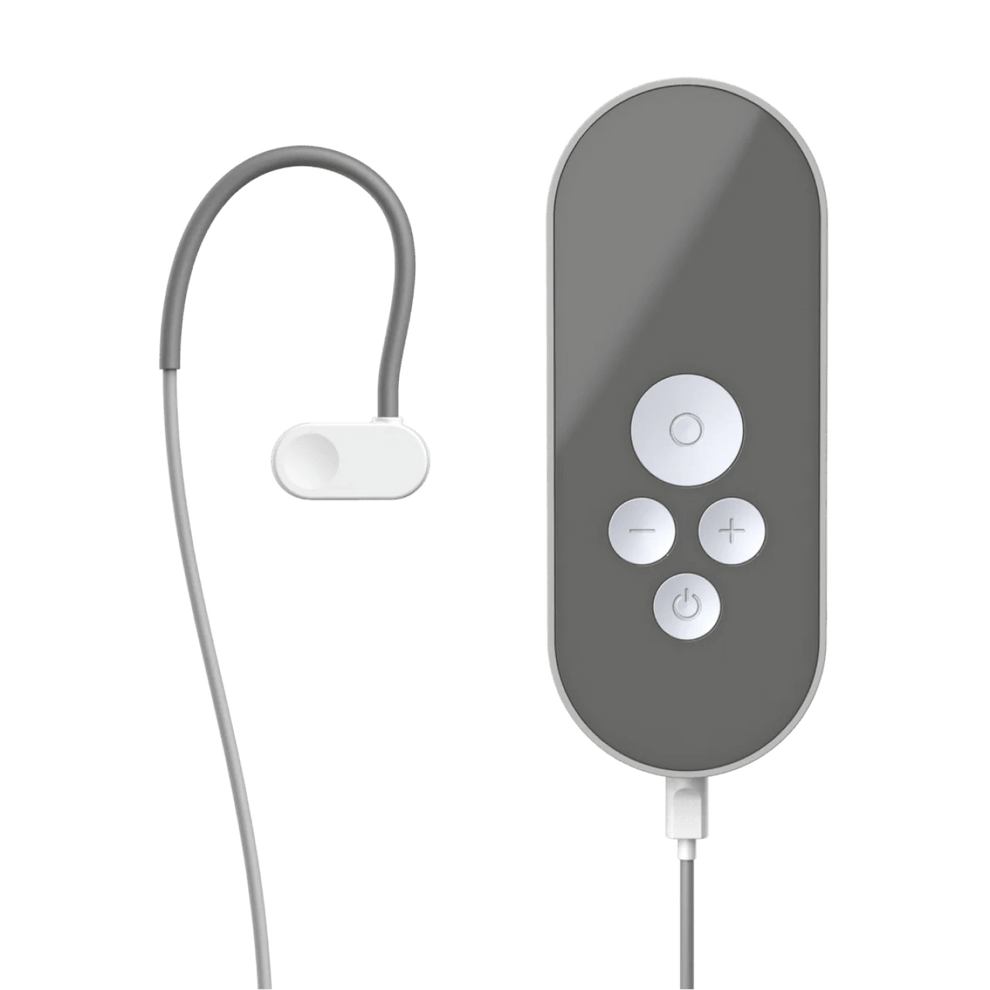
Life often feels like driving with one foot on the brake. Stress stays high. Recovery feels slow. A vagus nerve stimulation device offers a different path. It supports your nervous system at its core and helps your body return to balance. Across the UK, interest continues to grow as people look for calmer minds, steadier moods, and better neurological support without relying only on medication.
What Is a Vagus Nerve Stimulation Device?
A vagus nerve stimulation device is a form of neuromodulation therapy that gently influences how your brain communicates with your body. It delivers controlled electrical nerve stimulation to the vagus nerve, a key part of the autonomic nervous system. Instead of forcing change, it supports natural regulation.
In simple terms, this type of vagus nerve therapy works like a dimmer switch. It turns down constant alertness and supports recovery. If you experience tension or discomfort from a pinched vagus nerve in the neck, stimulation may help your nervous system cope better, even while posture and movement are corrected. In the UK, these devices are used both in clinical care and supervised home-use wellness programmes, depending on the device type.
How a Vagus Nerve Stimulation Device Works in the Body
The vagus nerve runs from the brainstem through the neck and into major organs. A vagus nerve stimulation device activates the parasympathetic nervous system, which controls rest, digestion, and repair. This system slows breathing and steadies heart rhythms.
Healthy vagal tone improves brain-body communication. Over time, better stress response regulation may lead to improved sleep, emotional balance, and clearer thinking. Progress usually feels steady rather than sudden.
Why a Vagus Nerve Stimulation Device Is Used
Many neurological conditions involve disrupted nervous system signalling. A vagus nerve stimulation device supports regulation rather than masking symptoms. This approach explains its growing use in long-term care.
For many people, nerve stimulation treatment helps address vagus nerve dysfunction linked to chronic stress, neurological injury, or emotional imbalance.
Vagus nerve stimulation device for epilepsy
In epilepsy care, a vagus nerve stimulation device often functions as an implantable medical device when medication fails. Research shows reduced seizure frequency for many patients over time.
In the UK, this neurological therapy is delivered through specialist NHS referral pathways with ongoing monitoring.
Vagus nerve stimulation device for depression and anxiety
Mood regulation depends heavily on nervous system balance. A vagus nerve stimulation device can support this by improving heart rate variability (HRV), which reflects emotional resilience.
Many people now prefer non-drug treatment options, especially when long-term medication causes unwanted effects.
Vagus nerve stimulation device for stroke recovery and neurological support
After a stroke, recovery depends on relearning movement and coordination. A vagus nerve stimulation device may enhance neuroplasticity during stroke rehabilitation.
Improved signalling supports neurological recovery when combined with physiotherapy and structured movement therapy.
Vagus Nerve Stimulation Device and the Pinched Vagus Nerve in the Neck
The cervical vagus nerve passes through the neck. Long hours at desks often cause neck nerve compression. This can disturb signalling and trigger fatigue or anxiety.
A vagus nerve stimulation device does not physically fix a pinched vagus nerve in the neck, but it can improve function while posture and movement address postural strain.
Types of Vagus Nerve Stimulation Devices Available Today
Modern options range from implanted systems to wearable tools. Each vagus nerve stimulation device type serves different needs and risk levels.
The main distinction lies between invasive systems and non-invasive vagus nerve stimulation, including transcutaneous vagus nerve stimulation methods.
Implanted vagus nerve stimulation devices
These systems require surgical implantation and provide continuous support. They involve long-term neuromodulation therapy under strict medical supervision.
Non-invasive vagus nerve stimulation devices (tVNS)
External systems rely on ear-based stimulation. They allow non-surgical nerve stimulation and are commonly approved as a home-use medical device.
Benefits of Using a Vagus Nerve Stimulation Device
Many users report improved calm and emotional steadiness. A vagus nerve stimulation device may strengthen stress resilience and support autonomic balance.
Better sleep and clearer focus often follow. Gradual sleep quality improvement and stronger emotional regulation develop with consistent use.
Risks and Side Effects of a Vagus Nerve Stimulation Device
Every therapy requires balance. A vagus nerve stimulation device has a generally favourable safety profile when used correctly. Understanding treatment safety helps reduce medical risks.
Surgical risks of implanted devices
Implants carry infection risk and possible voice alteration. Post-operative recovery requires careful follow-up.
Side effects of non-invasive vagus nerve stimulation devices
External devices may cause skin irritation or a mild tingling sensation. Most temporary discomfort fades quickly.
What to Expect Before, During, and After Using a Vagus Nerve Stimulation Device
Before starting, clinicians assess suitability and outline a treatment protocol. During early sessions, device adjustment helps personalise stimulation levels.
Afterward, benefits develop through a steady usage routine rather than intense sessions.
Effectiveness and Clinical Evidence Behind Vagus Nerve Stimulation Devices
Clinical research supports the role of a vagus nerve stimulation device in several conditions. Studies report improved treatment outcomes, especially with consistent use.
Changes in heart rate variability metrics help explain these results. Ongoing clinical studies continue across the UK and Europe.
| Condition Area | Evidence Level | Typical Outcome |
| Epilepsy | Strong | Fewer seizures |
| Depression | Moderate | Improved mood stability |
| Stroke Rehab | Emerging | Better motor recovery |
Is a Vagus Nerve Stimulation Device Right for You?
Choosing a vagus nerve stimulation device depends on patient suitability, medical history, and lifestyle needs. A professional medical consultation helps clarify options.
Good treatment decision-making balances scientific evidence with personal goals. When chosen carefully, this technology can support long-term nervous system health.
FAQs
Q1: What is a vagus nerve stimulation device?
A medical device that sends gentle electrical signals to the vagus nerve to support nervous system function.
Q2: How does it help with epilepsy?
It can reduce seizure frequency by improving nerve signalling in the brain.
Q3: Can it treat depression or anxiety?
Yes, it supports mood balance and improves heart rate variability.
Q4: What is a pinched vagus nerve in the neck?
Compression of the cervical vagus nerve that can affect signalling and cause symptoms.
Q5: Are there risks with the device?
Implanted devices have surgical risks, while non-invasive devices may cause mild tingling or irritation.



-

 Resources5 years ago
Why Companies Must Adopt Digital Documents
-

 Resources4 years ago
A Guide to Pickleball: The Latest, Greatest Sport You Might Not Know, But Should!
-

 Resources1 year ago
50 Best AI Free Tools in 2025 (Tried & Tested)
-

 Resources1 year ago
Get Paid $5000+ a month to write : Discover 30 Spectacular Websites That Reward Your Writing Effort