Resources
The Comprehensive Guide to Custom Plastic Injection Molding

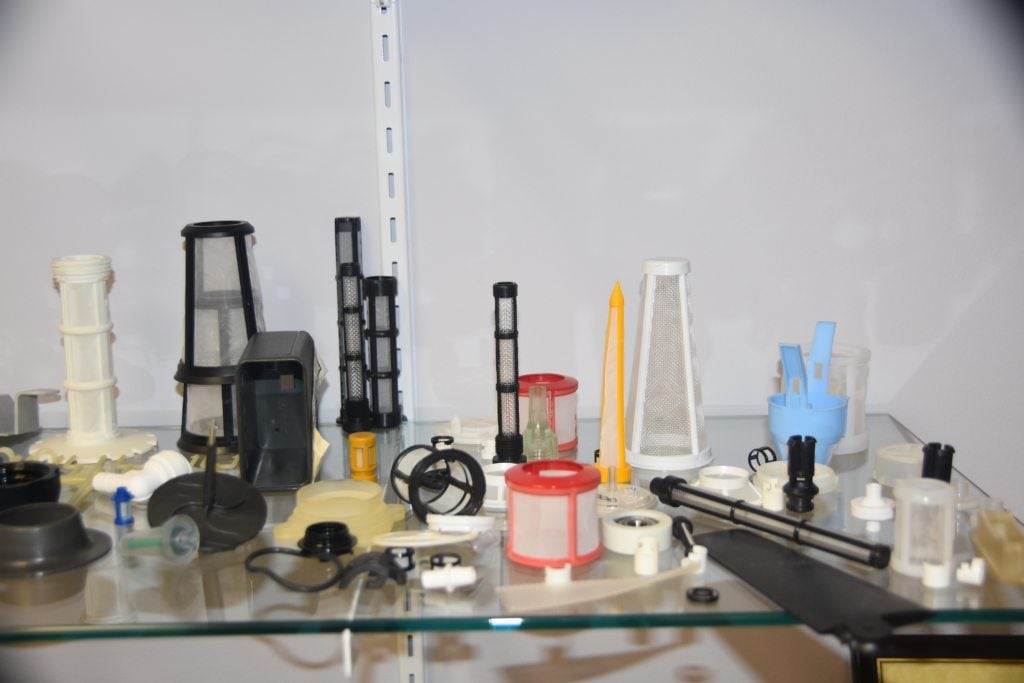
Manufacturing today isn’t just about making things; it’s about making things that last, perform under pressure, and meet microscopic tolerances. When you need a component that fits perfectly into a medical device or a jet engine, you aren’t just looking for a vendor—you’re looking for a partner. This is where the world of custom plastic injection molding comes into play, turning raw polymers into the backbone of modern technology.
The Art and Science of High-Precision Molding
Custom plastic injection molding is a complex dance between chemistry, physics, and mechanical engineering. It involves melting plastic resins and injecting them under high pressure into a custom-designed mold. While the concept sounds straightforward, the execution is anything but. Achieving consistency across a run of 100,000 parts requires a level of mastery that only comes with decades of experience.
Take Plastic Molded Concepts (PMC) as a prime example. As an ISO 9001:2015 certified plastic injection molding manufacturer, they’ve spent over 50 years honing their craft. They specialize in high-precision injection molding, overmolding, and insert molding for mission-critical industries like aerospace, medical, and electronics. Beyond just “pressing a button,” they guide clients through the entire lifecycle of a project—from initial mold design and material selection to prototype development and forensic failure analysis. Their ability to provide secondary operations ensures that the final product is durable, accurate, and ready for immediate assembly.+1
Why Customization Matters
Off-the-shelf solutions rarely work for specialized industries. A “standard” plastic part might fail under the extreme temperatures of an aircraft wing or degrade when exposed to medical-grade sterilization chemicals. Custom molding allows for:
- Specific Material Properties: Choosing resins for heat resistance, flexibility, or biocompatibility.
- Tight Tolerances: Ensuring parts fit together with zero margin for error.
- Complex Geometries: Creating shapes that would be impossible or too expensive to machine out of metal.
The Core Techniques: More Than Just One Way to Mold
While “injection molding” is the umbrella term, several specialized techniques allow manufacturers to achieve specific functional goals.
1. Insert Molding
This process involves injecting plastic around a pre-placed component, usually made of metal. Think of a brass threaded insert inside a plastic housing or a screwdriver handle molded over a steel blade. This creates a seamless, incredibly strong bond that eliminates the need for mechanical fasteners later.
2. Overmolding
If you’ve ever held a power tool with a “soft-grip” handle, you’ve seen overmolding in action. It involves molding one material (usually a rubber-like TPE) over another rigid plastic part. It improves ergonomics, provides vibration dampening, and adds a premium feel to consumer electronics.+1
3. High-Precision Molding
In industries like medical diagnostics or aerospace, a variation of even a few microns can lead to catastrophic failure. High-precision molding uses advanced sensors and scientific molding principles to ensure that every single cycle is identical, regardless of environmental changes in the factory.+1
Material Selection: The Hidden Variable
One of the biggest mistakes a company can make is picking a material based on price alone. The world of engineered resins is vast, and the “right” choice depends entirely on the end-use environment.
The Role of Engineered Resins
Advanced resins can be reinforced with glass fibers, carbon fibers, or flame retardants. For instance, in the electronics sector, heat management is everything. Choosing a material with a high tpe melting point or specific thermal conductivity can be the difference between a product that lasts for years and one that melts during its first heavy use.
Material Selection Factors:
- Tensile Strength: How much pull can the plastic take?
- Chemical Resistance: Will it dissolve if it touches oil, gas, or alcohol?
- Shrinkage Rates: All plastic shrinks as it cools; engineers must account for this in the mold design.
- Regulatory Compliance: Does it meet FDA, RoHS, or REACH standards?
From Concept to Component: The Workflow
A successful project doesn’t start at the machine; it starts at the drawing board. Here is how a high-level manufacturer like PMC approaches the process to ensure quality.
Mold Design and DFM
Design for Manufacturing (DFM) is the process of optimizing a part’s design so it can be produced efficiently and reliably. A good molder will look at your 3D model and suggest changes—like adding draft angles or adjusting wall thickness—to prevent defects like “sink marks” or “warping.”
Prototype Development
Before sinking tens of thousands of dollars into a hardened steel production mold, prototyping is essential. Whether through 3D printing or aluminum “bridge” tooling, prototyping allows you to test the fit and function of a part in the real world.
Forensic Failure Analysis
Sometimes, parts fail. Maybe they crack in the field, or they don’t fit together quite right during assembly. Forensic failure analysis involves using advanced microscopy and thermal analysis to figure out why. Was the resin contaminated? Was the injection pressure too high? Finding these answers prevents future headaches and protects your brand’s reputation.
Quality Control and ISO Standards
In the world of custom molding, “good enough” is never actually good enough. Certifications like ISO 9001:2015 aren’t just badges for a website; they represent a rigorous commitment to documented processes and continuous improvement.
Scientific Injection Molding (SIM)
Modern shops use Scientific Injection Molding to take the guesswork out of production. By using sensors inside the mold cavity, technicians can monitor pressure and temperature in real-time. If a single part falls outside the “golden curve” of parameters, the machine can automatically reject it. This data-driven approach is why companies in the medical and aerospace sectors trust experienced molders with their most sensitive projects.+1
Secondary Operations: The Finishing Touches
Often, a part isn’t “done” when it pops out of the mold. To be truly assembly-ready, it might need additional work. High-end service providers offer a suite of secondary operations to save the client time and logistics costs:
- Sonic Welding: Using high-frequency vibrations to bond two plastic parts together without glue.
- Pad Printing & Laser Engraving: Adding logos, instructions, or serial numbers.
- Assembly: Combining molded parts with springs, screws, or electronic components.
- Custom Packaging: Ensuring parts arrive clean and ready for the production line.
Finding the Right Partner
If you are looking for a plastic injection molding manufacturer, don’t just look at the quote. Look at the history. A company with five decades of experience, like PMC, has seen every challenge the industry can throw at them. They don’t just manufacture parts; they solve problems.
Whether you are developing a next-generation surgical tool or a ruggedized sensor for a satellite, the quality of your plastic components will define the quality of your finished product. By focusing on precision, choosing the right materials, and leveraging the expertise of seasoned engineers, you can turn a complex design into a functional reality.
Ready to Start Your Next Project?
The journey from a digital design to a physical part is paved with technical decisions. Having an expert guide makes all the difference. If you’re looking for a team that understands the nuances of high-precision molding and can provide the technical support needed for complex applications, reaching out to an experienced manufacturer is the best first step.


-

 Resources5 years ago
Why Companies Must Adopt Digital Documents
-

 Resources4 years ago
A Guide to Pickleball: The Latest, Greatest Sport You Might Not Know, But Should!
-

 Resources1 year ago
50 Best AI Free Tools in 2025 (Tried & Tested)
-

 Resources1 year ago
Get Paid $5000+ a month to write : Discover 30 Spectacular Websites That Reward Your Writing Effort