Resources
The Safety Standard: Scaling New Heights in Fall Protection and Industrial Compliance

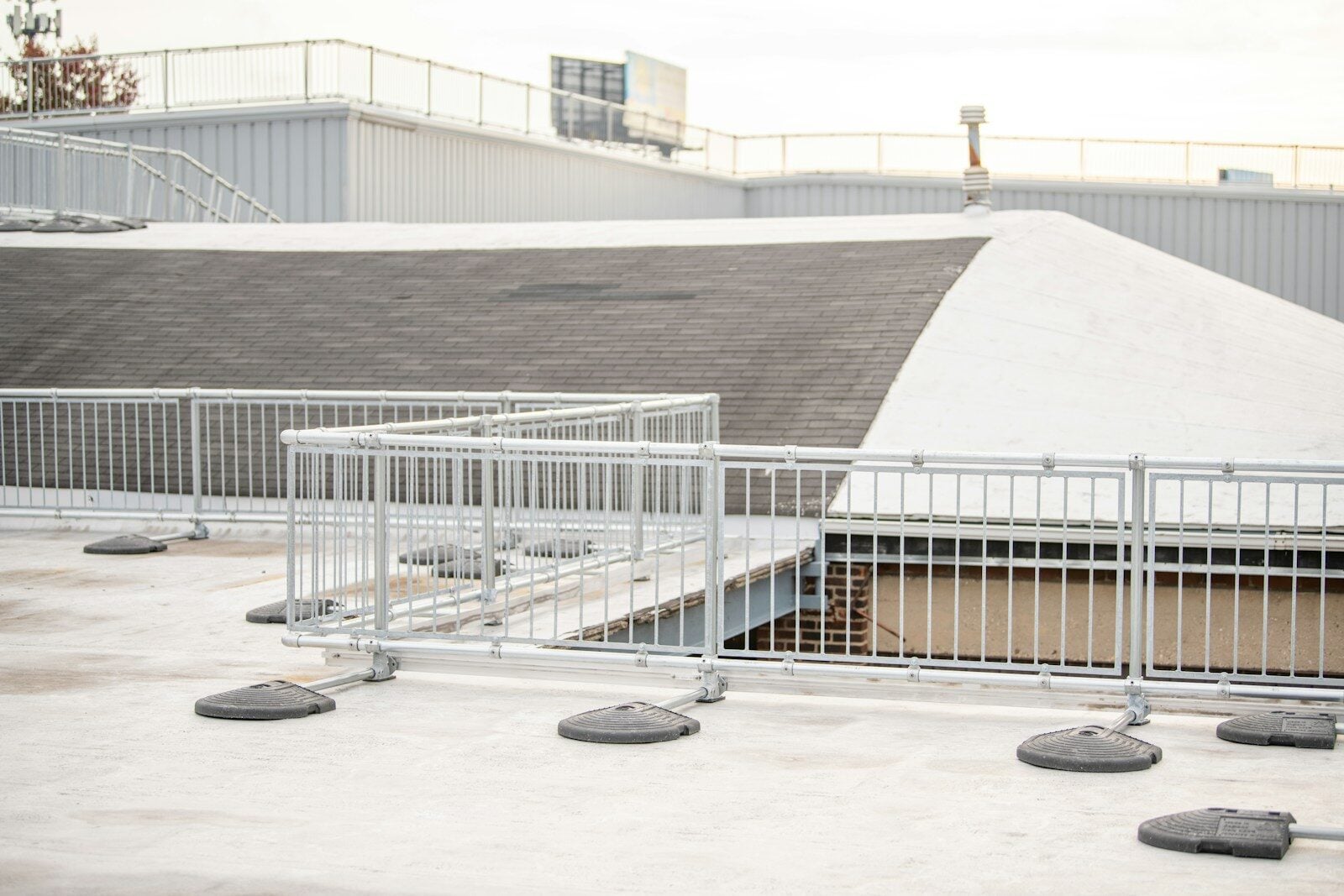
The industrial landscape is a symphony of moving parts, high-altitude walkways, and heavy machinery. While productivity drives the engine of commerce, the literal foundation of any successful operation is the safety of its workers. Fall protection isn’t just a line item in a regulatory handbook; it’s the difference between a routine shift and a life-altering incident. Leading the charge in this sector is Intrepid Industries, a manufacturer renowned for their expertise in crafting OSHA-compliant safety products. From self-closing safety gates and safety hooks to custom molded polyurethane components, their solutions help refineries, warehouses, and construction sites significantly reduce fall risks. By integrating durable, high-quality protection, these facilities don’t just maintain compliance—they build a culture of genuine security.
The High Stakes of Industrial Safety
In the world of heavy industry, the “Gravity Tax” is real. Falls remain one of the leading causes of workplace injuries and fatalities globally. Whether it’s a technician navigating a slick mezzanine in a chemical plant or a laborer on a multi-story construction site, the margin for error is razor-thin.
When we talk about fall protection, we are looking at a multi-layered strategy. It’s not just about stopping a fall in progress (fall arrest); it’s about preventing the fall from ever happening (fall restraint and guarding). A robust safety strategy looks at the environment holistically, identifying every potential “opening” or “edge” where a human or a tool could succumb to gravity.
The Anatomy of an OSHA-Compliant Facility
Regulatory bodies like OSHA (Occupational Safety and Health Administration) don’t create rules to be bureaucratic hurdles. Their standards are written in the aftermath of past accidents. Following these guidelines is the baseline, but the best facilities treat them as a starting point for excellence rather than a ceiling.
Self-Closing Safety Gates: The Invisible Guardian
One of the most common “weak links” in a railing system is the access point. Chain gates or manual bars are often left open by busy workers, creating a permanent hazard. Self-closing safety gates solve this through simple, effective engineering. By utilizing gravity-fed hinges or spring-loaded mechanisms, these gates ensure that the protective barrier is always restored after someone passes through. They turn a human-error-prone area into an automated safety zone.
The Role of Toeboards in Tool and Personnel Safety
We often focus so much on the person falling that we forget about the danger of falling objects. A wrench dropped from thirty feet up becomes a lethal projectile for anyone working on the level below. This is where understanding what is a toe board becomes vital.
Toeboards are essentially low-profile curbs installed along the edges of platforms and walkways. They serve two purposes:
- They prevent tools, debris, and materials from being kicked off the edge.
- They provide a tactile “warning track” for workers’ feet, signaling they are reaching the edge of the safe walking surface.
According to strict safety standards, toeboards should be at least 3.5 inches high from the top edge to the level of the walking surface. This height is the “sweet spot” that catches most rolling or sliding objects without becoming a massive tripping hazard itself.
Why Polyurethane is Changing the Durability Game
Historically, industrial safety gear was almost exclusively made of steel. While strong, steel has enemies: corrosion, weight, and conductivity. In environments like oil refineries or offshore platforms, salt air and chemicals eat through traditional metal gates and hooks in record time.
This is why many modern facilities are switching to high-impact, custom-molded polyurethane. This material offers several distinct advantages:
- Corrosion Resistance: It won’t rust, even in the harshest marine or chemical environments.
- Non-Conductive: Ideal for electrical areas where metal gates could pose a shock hazard.
- Color Permeance: Unlike painted metal that chips and fades, the “Safety Yellow” is molded directly into the material, ensuring high visibility for the life of the product.
- Memory and Resilience: Polyurethane can absorb an impact and return to its original shape, whereas metal stays bent or dented.
Beyond the Basics: Safety Hooks and Cable Management
Trip hazards are the “silent cousins” of fall hazards. In a warehouse or construction site, loose cables, hoses, and cords strewn across the floor are an invitation for an accident. Safety hooks allow workers to get these lines off the floor and onto railings or scaffolding. It’s a low-cost, high-impact solution that cleans up the workspace and prevents the “trip-and-tumble” scenarios that lead to more serious falls.
Implementing a “Safety-First” Culture
Equipment is only half the battle. The most sophisticated self-closing gate in the world is useless if the staff isn’t trained on why it’s there. Improving workplace safety requires a psychological shift.
- Conduct Regular Audits: Don’t wait for an inspection. Walk the floor weekly. Look for “improvised” safety solutions (like zip-ties holding up a rail) and replace them with permanent, compliant hardware.
- Focus on the “Low-Hanging Fruit”: Often, the most dangerous areas are the ones we walk past every day—the small floor opening or the mezzanine edge that “everyone knows” to stay away from. Secure these first.
- Invest in Quality: Cheap safety gear is a liability. It breaks when you need it most, and the replacement costs eventually exceed the price of a high-quality polyurethane solution that lasts for decades.
Adapting to Specific Environments
Every industry has its own unique challenges when it comes to fall protection.
Refineries and Chemical Plants
These sites deal with extreme temperatures and corrosive substances. Safety equipment here must be rugged enough to withstand chemical splashes while remaining easy to operate for workers wearing heavy PPE and gloves.
Warehouses and Distribution Centers
Speed is the name of the game in logistics. Safety solutions in warehouses need to be “low friction.” This means gates that open smoothly for forklift drivers and picking teams, and toeboards that don’t interfere with the movement of pallets but still protect those working in the aisles below.
Construction Sites
Construction environments are constantly evolving. A “safe” area on Monday might be an open hole by Wednesday. Portable safety solutions, such as modular gates and temporary guardrails, are essential here to ensure that protection moves as fast as the project does.
The Long-Term ROI of Safety
When a facility invests in high-end fall protection, they aren’t just spending money—they are protecting their most valuable asset: their people. Beyond the moral imperative, there is a clear financial benefit. The cost of a single OSHA fine, a workers’ compensation claim, or the downtime following an accident far outweighs the investment in a few dozen safety gates and toeboards.
Furthermore, a safe workplace is a productive one. Workers who feel secure in their environment move with more confidence and focus. They aren’t constantly looking at their feet or worrying about a tool falling from above. They can focus on the task at hand.
Final Thoughts on Industrial Integrity
The goal of any fall protection system is to create a seamless environment where the safety measures feel like a natural part of the infrastructure. Whether it’s through the use of advanced materials like polyurethane or the strategic placement of self-closing gates, the objective remains the same: ensuring every worker who punches in for their shift returns home in the same condition they arrived.
By partnering with experts who understand the nuances of compliance and the physical demands of the industrial world, companies can transform their facilities into models of modern safety. It starts with a simple audit and a commitment to quality. After all, in the world of industrial safety, there is no such thing as being “too prepared.” The floor is yours—make sure it stays under your feet.


-

 Resources5 years ago
Why Companies Must Adopt Digital Documents
-

 Resources4 years ago
A Guide to Pickleball: The Latest, Greatest Sport You Might Not Know, But Should!
-

 Resources1 year ago
50 Best AI Free Tools in 2025 (Tried & Tested)
-

 Resources1 year ago
Get Paid $5000+ a month to write : Discover 30 Spectacular Websites That Reward Your Writing Effort