Blogs
AOG: When the Maintenance Controller Is the One Who Can’t Sleep

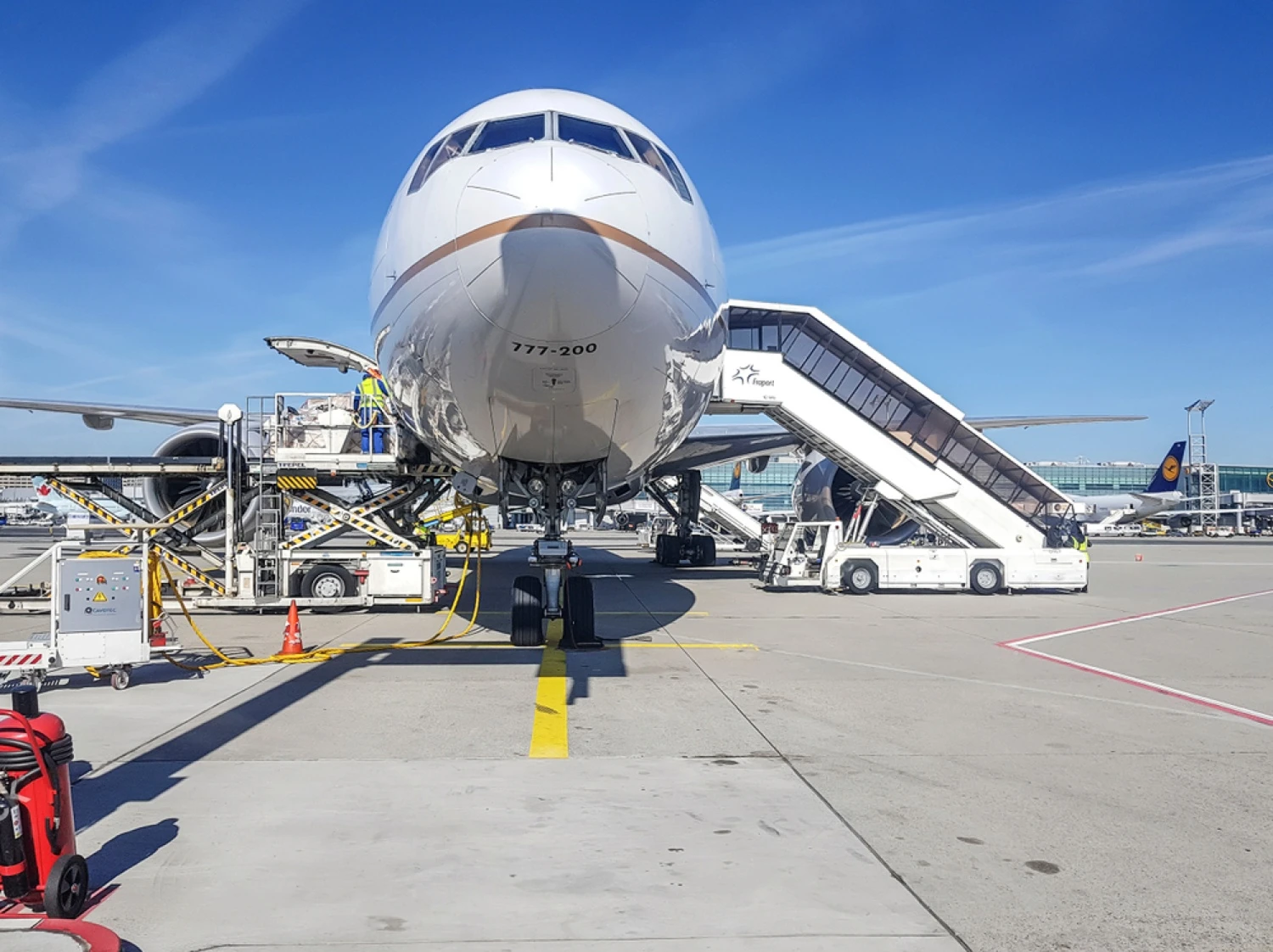
Typhoon season in Manila does something specific to that job. It’s not just one grounded aircraft anymore. It’s a grounded aircraft racing a closing airport, which is a completely different kind of pressure than an ordinary AOG.
Aviation AOG Looks Different From the Airline’s Side of the Phone
A narrowbody blew a tire on landing, badly enough that the whole wheel assembly needed replacing, not just the tire itself. Routine failure, in isolation. Except the storm advisory had already moved the airport’s closure window up by six hours, and our local stock didn’t have a matching assembly — close, but not certified for that tail number’s configuration. Aviation AOG, from where I sit, is less about whether a part exists and more about whether it can get here before the weather makes the question irrelevant.
The nearest confirmed unit sat with an aircraft parts supplier in Singapore. Four hours flight time, normally. Not normally, that week. We had maybe a seven-hour window before the airport suspended operations, and that included loading, customs clearance on the Philippine side, and a ground crew that needed to actually install the thing once it landed.
As a buyer, the hardest call in an AOG case isn’t picking a supplier. It’s deciding how much of your own schedule you’re willing to bet on someone else’s promise — and being honest with your own operations team about how thin that margin actually is.
We chartered a small aircraft rather than wait for the next scheduled cargo slot, ate the cost without much debate, and the wheel assembly landed with two hours and change before the closure. Ground crew had it installed with maybe ninety minutes to spare before the storm’s outer bands started affecting ramp operations. Cutting it that close isn’t a strategy. It’s what happens when a typhoon doesn’t care about anyone’s paperwork.
AOG Aircraft On Ground During Typhoon Season
What I’ve learned, sitting on this side of the desk, is that AOG aircraft on ground cases during weather events need a different kind of AOG support than a routine mechanical failure. A good supplier tells you honestly, upfront, whether a charter is realistic given the weather window — not after you’ve already committed to a plan that quietly falls apart three hours in.
A few things I check now, every single time, before I trust a timeline:
- whether the supplier has actually confirmed aircraft parts stock physically, not just pulled a number off a screen;
- whether their 24/7 AOG support line reaches someone who can authorize a charter decision, not just log a ticket;
- whether they’ve handled AOG logistics through this specific airport before, weather or no weather.
Boeing AOG parts and Airbus AOG parts move through different networks, different documentation standards, and I’ve stopped assuming a supplier who’s fast with one is automatically fast with the other. https://aog.today – Every AOG parts Europe / USA lesson I learned the hard way applies just as much out here — the geography changes, the mistake of assuming things translate cleanly doesn’t.



-

 Resources5 years ago
Why Companies Must Adopt Digital Documents
-

 Resources4 years ago
A Guide to Pickleball: The Latest, Greatest Sport You Might Not Know, But Should!
-

 Resources1 year ago
50 Best AI Free Tools in 2025 (Tried & Tested)
-

 Resources1 year ago
Get Paid $5000+ a month to write : Discover 30 Spectacular Websites That Reward Your Writing Effort