Resources
Best Language Learning Apps: Proven Platforms for Real Fluency

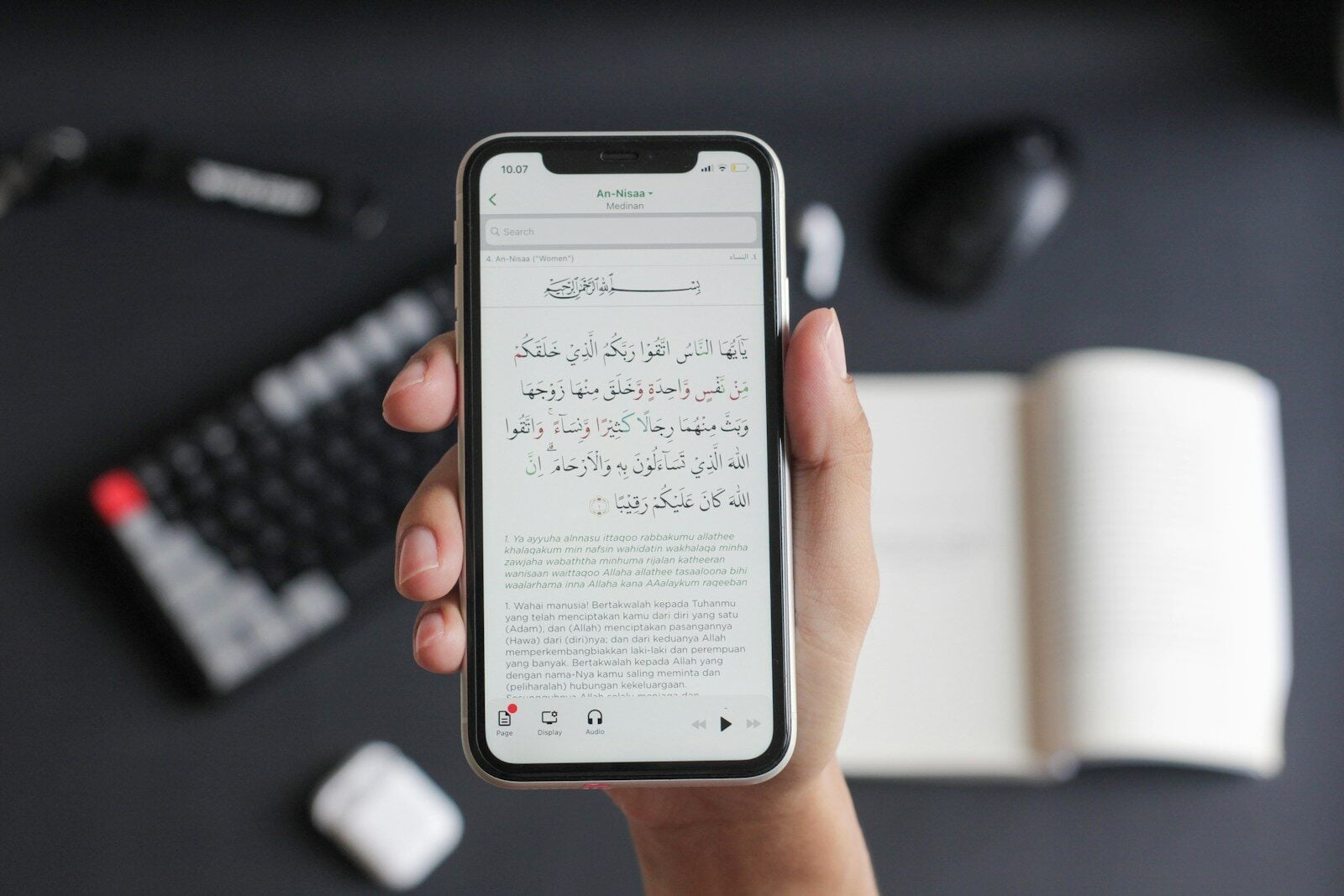
In short: The best language learning apps combine spaced repetition with practical grammar enhanced by audio feedback. For everyday spoken fluency, apps need to be augmented with speaking practice and exposure to authentic media. Duolingo is ideal for building a daily habit; for complete beginners, Babbel and Pimsleur offer stronger conversational practice.
Choosing the right digital technology can shave months off your learning curve. After testing dozens of language learning programs on my phone with parents of native speakers, I have realized that no high quality program is a one-size-fits-all solution. The key to building your daily language learning routine is to match the educational philosophy to the most immediate personal requirement.
Below you will find my review of the best language learning platforms. Hear what’s happening in the data, compare the structures, and learn from all the common mistakes you should not make in your language learning journey.
How Mobile Learning Performed in Real Life
Before choosing a language learning solution, it’s useful to understand the scope of what technology can achieve for you in language learning. Two independent academic studies reveal that mobile learning is highly effective for building vocabulary and general understanding of syntax.
- Beginner Benchmarks:A study published in Language Learning & Technology found that learners using beginner-focused apps for a single course reached a standard CEFR A2 level in reading and listening comprehension.
- Time Efficiency: Research conducted by the CUNY Graduate Center revealed that roughly 15 hours of structured, dialogue-focused app study can yield test results comparable to one full semester of entry-level college coursework.
- The Fluency Gap: Despite these gains, mobile tools alone rarely push users beyond intermediate B1 levels. Reaching advanced B2 or C1 proficiency requires supplementing digital exercises with live conversation and authentic native audio.
Top Platforms Compared
To help you decide where to invest your time and budget, this overview highlights the leading mobile options across primary learning categories.
| App Name | Primary Focus | Best Use Case | Expected Skill Level |
| Duolingo | Gamified bite-sized drills | Building a daily practice habit | Beginner (A1–A2) |
| Babbel | Structured grammar & conversations | Practical real-world phrases | Beginner to Intermediate (A1–B1) |
| Pimsleur | Audio-first spaced repetition | Pronunciation and active listening | Beginner to Intermediate (A1–B1) |
| LingQ | Immersive reading and listening | Expanding vocabulary through media | Intermediate to Advanced (B1–C1) |
| Anki | Custom flashcards & SRS algorithms | Long-term memory retention | All Levels (A1–C2) |
Breakdown of the Top Mobile Options
1. Duolingo: Ideal for Habit Formation
Duolingo remains the most widely used platform worldwide due to its low barrier to entry and gamified structure.The app relies on quick, visual translation drills and streak tracking to keep users returning daily.
- Pros: Complete access to core features without payment; highly engaging reward systems.
- Cons: Limited depth in functional grammar; does not prepare users for spontaneous speech.
2. Babbel: Best for Practical Conversation
Written by professional linguists, Babbel replaces gamified rewards with clear structural explanations and real-life dialogue scenarios. It introduces useful phrases for travel, business, and social settings early in the curriculum.
- Pros: Strong contextual grammar notes; clear speech recognition tools.
- Cons: Smaller catalog of available languages compared to competitors; subscription required for full access.
3. Pimsleur: Superior for Audio-Based Recall
Pimsleur centers its methodology on 30-minute audio lessons that prompt active verbal responses. It uses spaced repetition principles to lock core sentence patterns into long-term memory without requiring you to look at a screen.
- Pros: Excellent for hands-free study during commutes; builds natural accent and cadence fast.
- Cons: Minimal emphasis on reading or writing; higher monthly subscription fee.
How to Integrate Apps for Maximum Results
Relying on a single mobile tool often leads to learning plateaus. A balanced routine combines complementary software to cover all four core language skills: reading, writing, listening, and speaking.
Step 1: Establish a Core Anchor Tool
Pick a structured platform like Babbel or Pimsleur to guide your daily grammar and core vocabulary progression. Dedicate 15 to 20 minutes every morning to completing one structured unit.
Step 2: Implement Flashcard Spaced Repetition
Transfer new terms from your daily lessons into a spaced-repetition flashcard system like Anki. Reviewing these cards for 10 minutes each evening ensures words move from short-term recognition to permanent recall.
Step 3: Transition to Authentic Media
Once you reach an intermediate level, introduce immersive tools like LingQ to consume foreign-language news articles, podcasts, and books. This bridges the gap between structured drills and real-world comprehension.
Step 4: Schedule Live Conversation
Combine digital practice with human interaction. Use tutoring directories like italki or free exchange networks like Tandem to practice producing spontaneous sentences twice a week.
Common Mistakes and How to Avoid Them
Treating Gamification Scores as Real Fluency
A 300-day app streak measures consistency, not conversational ability. Standardized app exercises rely heavily on recognition and multiple-choice matching, which differ significantly from recalling vocabulary during a live conversation.
- The Fix: Practice producing full sentences out loud without looking at screen prompts after every exercise.
Hoarding Too Many Digital Tools Simultaneously
Downloading five different programs at once creates decision fatigue and fragments your study efforts.
- The Fix: Stick to one primary course tool and one supplementary vocabulary deck for at least 60 days before adding other resources.
Frequently Asked Questions
Can you become fluent using only mobile software?
No single mobile program can make you fully fluent on its own.Digital tools provide essential vocabulary, basic grammar rules, and listening comprehension.However, achieving true conversational fluency requires practicing live output with native speakers and consuming authentic target-language media.
How much time should I spend on language apps each day?
A daily target of 20 to 40 minutes split into two shorter sessions yields better long-term retention than a single multi-hour cramming session once a week. Consistency allows spaced repetition algorithms to schedule card reviews effectively.
Are paid language subscriptions worth the cost over free tiers?
Paid subscriptions are worth considering if you want structured grammar explanations, ad-free study, and speech recognition tools. However, complete free setups using options like Duolingo, Anki decks, and open-access audio courses can deliver similar results if you are disciplined enough to organize your own materials.
Which options work best for children?
Gamified tools like Duolingo or visual flashcard programs work best for younger audiences. The bite-sized lessons and interactive rewards match shorter attention spans while building foundational vocabulary naturally.


-

 Resources5 years ago
Why Companies Must Adopt Digital Documents
-

 Resources4 years ago
A Guide to Pickleball: The Latest, Greatest Sport You Might Not Know, But Should!
-

 Resources1 year ago
50 Best AI Free Tools in 2025 (Tried & Tested)
-

 Resources1 year ago
Get Paid $5000+ a month to write : Discover 30 Spectacular Websites That Reward Your Writing Effort
Yuri
08/13/2026 at 5:58 AM
What really helped me improve my vocabulary was the Repeet Flashcards app. It’s really simpe but efficient app.