Guides
Budget Travel Tips for Expensive Cities in the USA: Smart Ways to Save Money
Discover budget travel tips for expensive cities in the USA: save on hotels, food, transit, and activities in NYC, SF, Chicago, LA, and Miami.

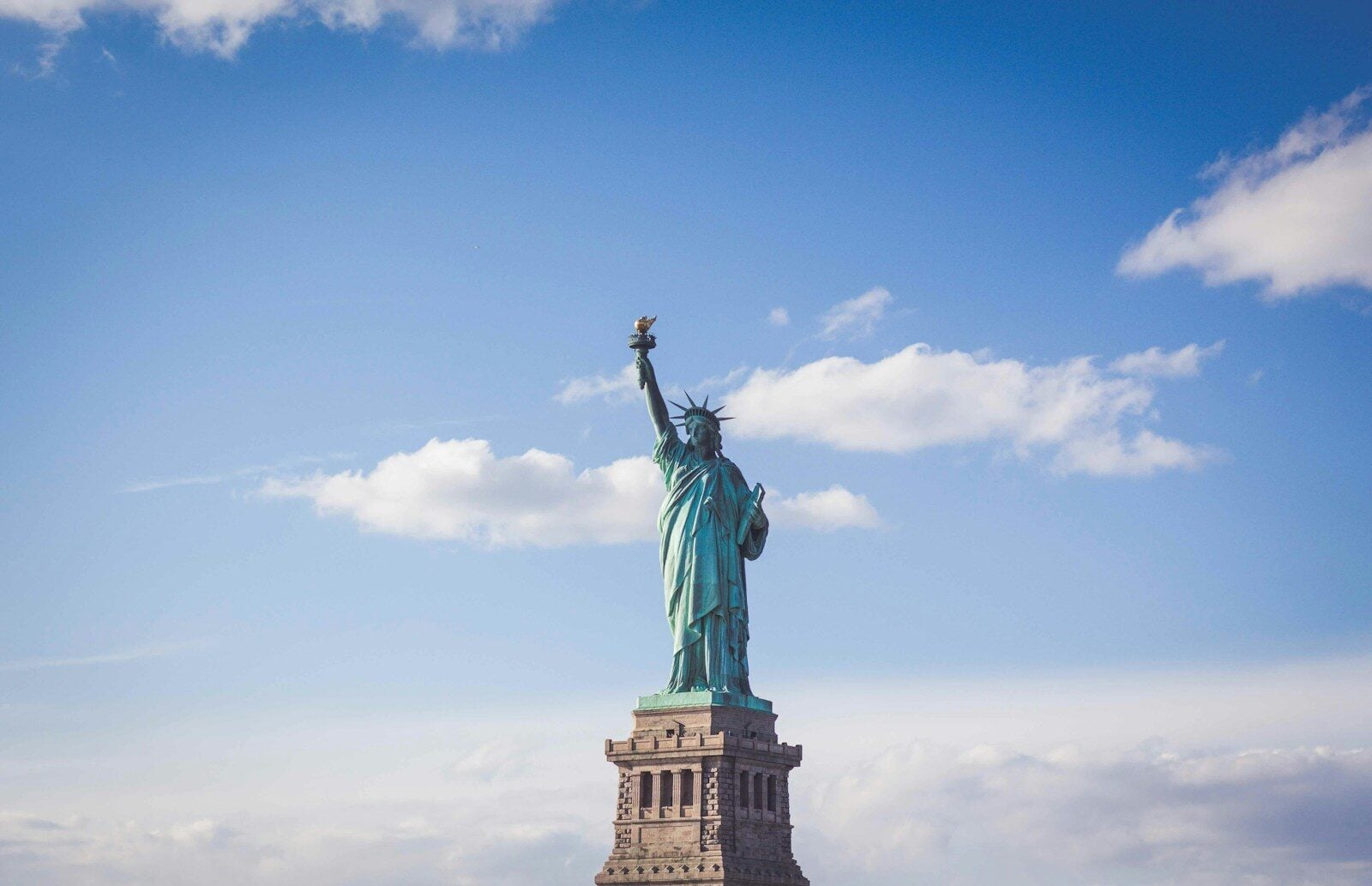
America’s most iconic cities come with equally iconic price tags. Hotel rooms in New York City average $175 to $327 per night, San Francisco runs $150 to $300, and Boston and Miami are not far behind. Yet millions of travelers visit these cities every year on tight budgets and come back with experiences worth far more than what they spent.
The secret to mastering budget travel tips expensive cities in the USA is not avoiding the city entirely but knowing exactly where the money leaks happen and plugging them before you arrive.
Accommodation, transportation, food, and activities are the four buckets where smart planning delivers the biggest savings, and each one has concrete, actionable solutions.
This guide covers every major strategy you need to travel comfortably in the most expensive American cities without emptying your bank account.
Timing Your Visit to Cut Costs
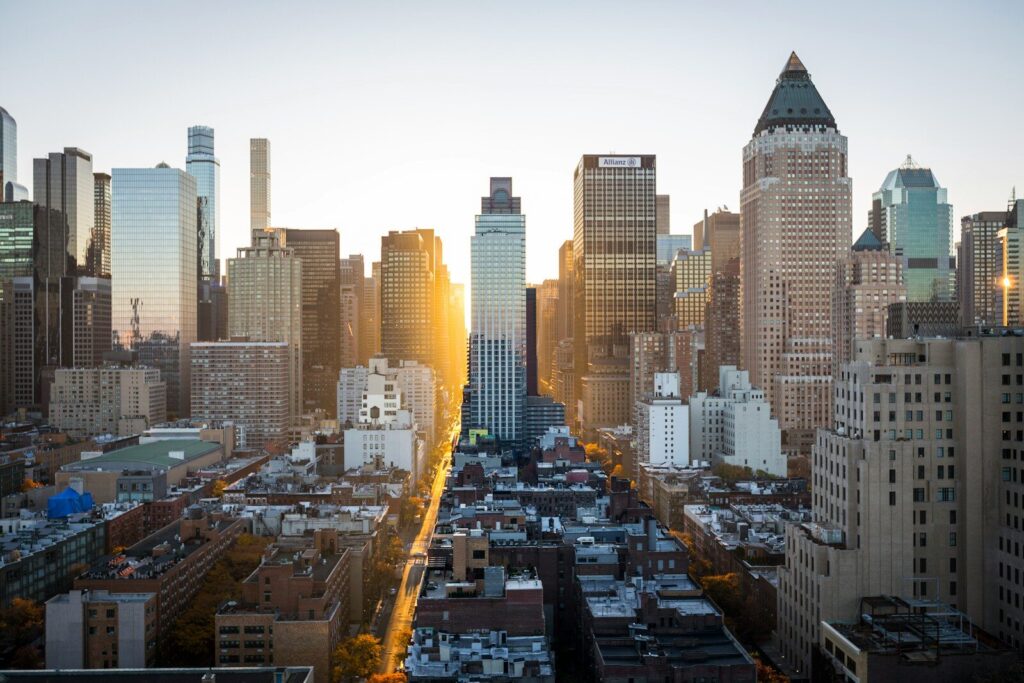
Choosing the right travel dates can reduce your overall trip cost by 30 to 50% before you even book a single activity. Most expensive US cities have clear peak and off-peak seasons, and traveling outside peak windows is the single highest-leverage budget decision you can make.
Specific timing insights by city worth knowing include:
- San Francisco: Avoid summer months; the off-season brings significant hotel savings and avoids the famous tourist crowds along Fisherman’s Wharf
- New York City: Late January through March and September through early November offer the best hotel rates outside of major event weeks
- Miami: Summer is low season due to heat and humidity; hotel rates drop by 30 to 40% compared to peak winter months
- Chicago: Spring and fall shoulder seasons offer mild weather and lower prices compared to summer peak
Flying mid-week rather than on Fridays or Sundays consistently produces cheaper airfare, and booking flights at least 6 to 8 weeks in advance locks in the best available rates.
Budget Travel Tips Expensive Cities in the USA: Where to Sleep
Your choice of where to sleep is where most travelers overpay unnecessarily. Staying just outside the core tourist zone typically cuts accommodation costs by 30 to 40% while transit access remains excellent.
In New York, Jersey City offers Manhattan access via the PATH train in 15 minutes at a fraction of midtown rates. In San Francisco, Oakland across the Bay Bridge provides BART access into the city center at substantially lower prices.
For solo travelers, hostel dorm beds average $36 to $60 per night in major US cities. For pairs or groups, vacation rentals frequently undercut mid-range hotels and include kitchen facilities that reduce food costs significantly throughout the stay.
Getting Around Without Overspending
Public transit passes are one of the most underutilized money-saving tools available to visitors in expensive US cities.
Every major city offers unlimited day or weekly passes that cover all trains and buses for a flat fee, far cheaper than accumulating individual fares or relying on rideshares.
New York’s 7-day unlimited MetroCard covers every subway line and city bus for under $35. San Francisco’s Muni Visitor Passport covers all Muni lines including the iconic streetcars.
Walking is completely free and often the fastest option in dense neighborhoods like Manhattan below 60th Street or downtown Chicago.
Renting a bike through city bike-share programs like Citi Bike or Divvy costs $3 to $4 per trip, ideal for short hops between attractions.
Food: Eat Well Without Paying Tourist Prices
Food is where most visitors hemorrhage money unnecessarily. Avoiding hotel restaurants, tourist-zone cafes, and delivery apps eliminates the three biggest food cost traps instantly.
Ethnic neighborhoods are the most reliable source of quality, affordable meals in any expensive American city. Chinatowns in New York, San Francisco, and Los Angeles regularly serve full sit-down meals for $8 to $14.
Food halls like Chelsea Market in NYC and the Ferry Building in San Francisco offer excellent local food at prices well below sit-down restaurants. Cooking even one meal per day in a vacation rental kitchen can save $20 to $40 daily, adding up to $140 to $280 on a seven-day trip.
Budget Travel Tips for Expensive Cities USA: Zero-Cost Experiences
One of the most liberating realizations for first-time visitors to expensive American cities is how many of the best experiences cost absolutely nothing. The richest cities in the country are also among the most generous with free public attractions.
By city, free highlights worth prioritizing include:
New York City:
- The High Line elevated park and Brooklyn Bridge walk
- Central Park, Bryant Park, and Governors Island (free ferry on weekdays)
- The Staten Island Ferry with panoramic Statue of Liberty views at zero cost
- Museum of Modern Art (MoMA) free Friday evenings; Metropolitan Museum pay-what-you-wish for New York state residents
San Francisco:
- Baker Beach with direct Golden Gate Bridge views
- Free walking tours of the Mission District and Haight-Ashbury neighborhoods
- Lombard Street and the Painted Ladies at Alamo Square
- The Embarcadero waterfront and Ferry Building browsing
Los Angeles:
- Venice Beach Boardwalk and Santa Monica Pier
- Griffith Park and the free grounds of the Getty Center (paid parking only)
- Rodeo Drive window shopping and the free architecture of Beverly Hills
Chicago:
- Millennium Park and the famous Cloud Gate sculpture
- The 606 Trail elevated walking path
- Chicago Cultural Center with rotating free art exhibitions
For paid attractions, CityPASS cards available for New York, Chicago, San Francisco, Los Angeles, and Atlanta bundle top attractions at 30 to 40% below individual ticket prices.
Smart Booking and Pass Strategies
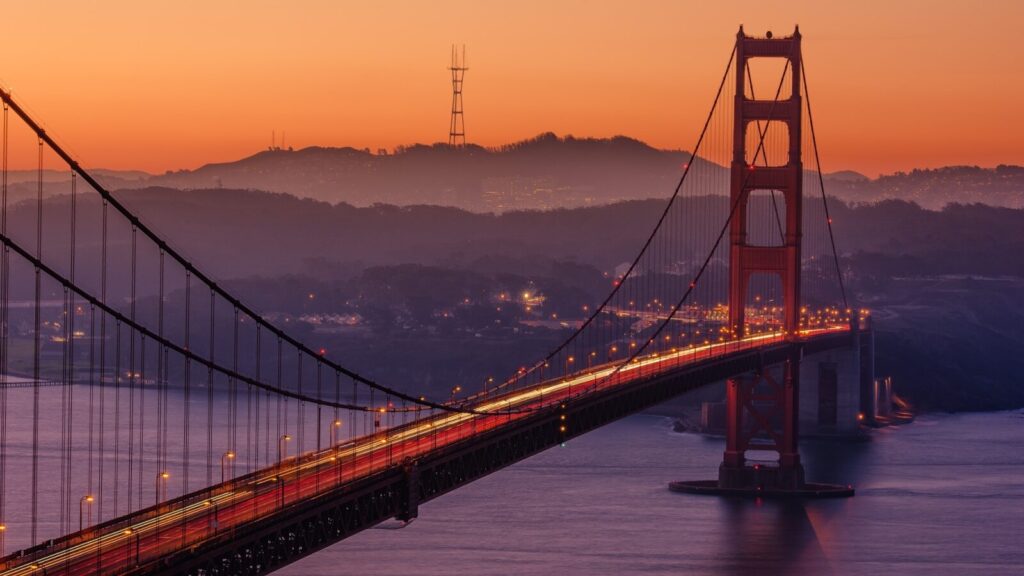
Consolidating paid sightseeing through discount passes is one of the most efficient strategies for visitors covering multiple attractions in a short trip. The Go City Explorer Pass lets you select a fixed number of attractions from a menu, which suits flexible itineraries better than fixed bundles.
For travel between expensive cities, booking Amtrak early dramatically reduces fares compared to last-minute purchases, and student, senior, and military discounts apply across all routes.
Stacking these strategies together compounds the savings significantly. A traveler who books accommodation in an adjacent neighborhood, uses an unlimited transit pass, eats at local food halls and markets, prioritizes free attractions, and uses a CityPASS for paid sightseeing can comfortably experience a seven-day New York or San Francisco trip for well under $1,100 total including accommodation.
Conclusion
The best budget travel tips expensive cities USA all share one common thread: plan deliberately, avoid tourist traps, and spend where the experience is genuinely worth it while cutting everywhere else.
America’s most expensive cities are also among its most generous, offering world-class free attractions, excellent public transit, and thriving local food scenes that reward travelers who take the time to explore beyond the obvious.
With the right preparation, the price tag of these cities becomes far more manageable than it first appears.





-

 Resources4 years ago
Why Companies Must Adopt Digital Documents
-

 Resources3 years ago
A Guide to Pickleball: The Latest, Greatest Sport You Might Not Know, But Should!
-

 Guides2 years ago
Guest Posts: Everything You Should Know About Publishing It
-

 Resources9 months ago
50 Best AI Free Tools in 2025 (Tried & Tested)