Blogs
From Copper to Steel: What Modern Scrap Yards Accept and Why

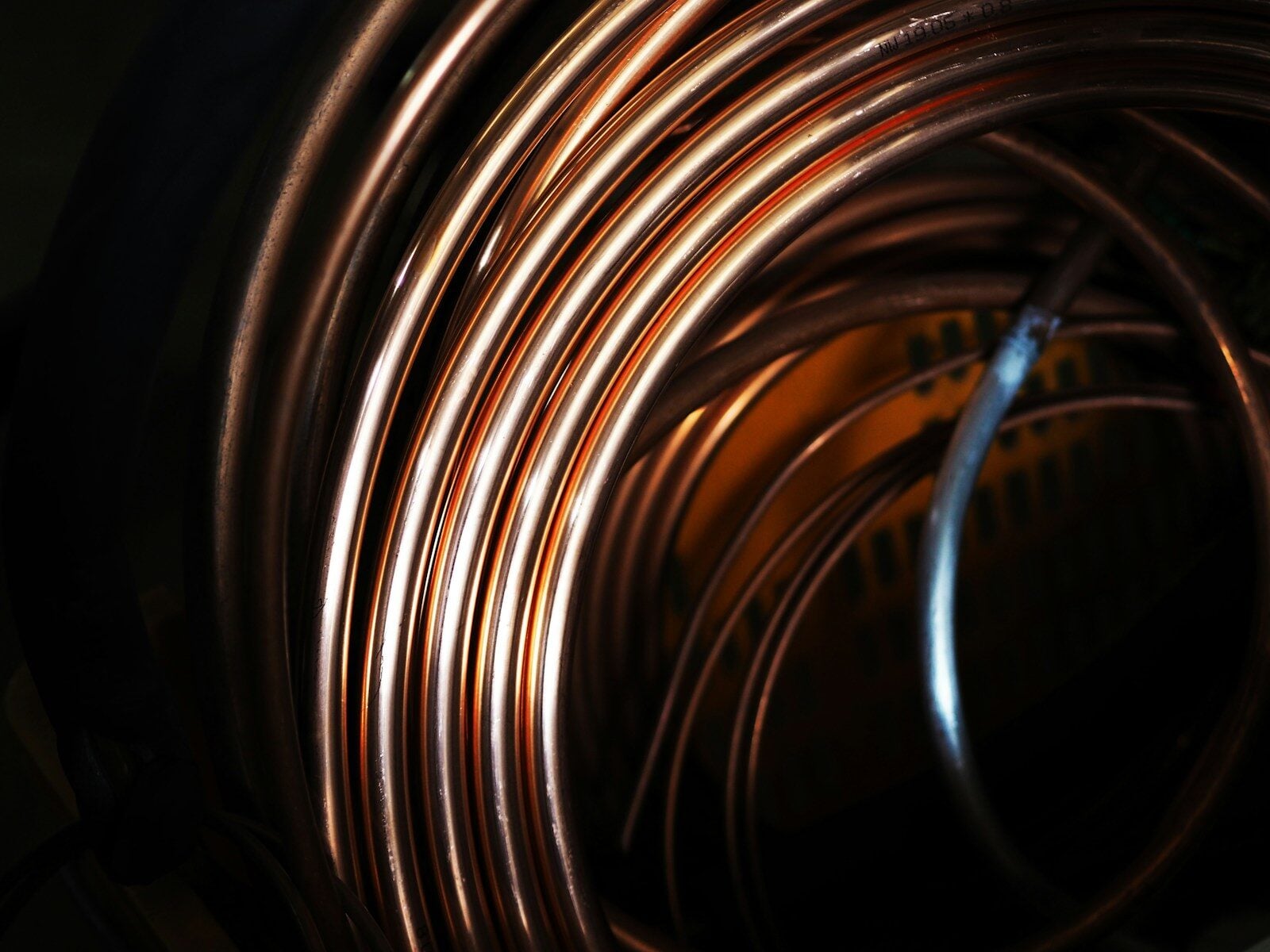
That old copper cable, damaged appliance, or pile of steel offcuts may look like clutter, but a modern scrap yard sees something different: recoverable material that can re-enter the manufacturing supply chain. As businesses and households become more conscious of waste, scrap yards are evolving from basic collection points into sophisticated resource-recovery operations.
Knowing what these facilities accept—and how to prepare it—can help you avoid unnecessary disposal costs, earn a fair return, and keep reusable materials out of landfills. Whether you are clearing a construction site, replacing machinery, or cleaning a garage, understanding the difference between metal categories is the best place to begin.
Why Scrap Metal Has Real Economic Value
Metals can often be recycled repeatedly without losing their essential properties. This makes scrap an important secondary raw material for manufacturers. Recovering metal also reduces dependence on mining, limits landfill pressure, and can require substantially less energy than producing material from virgin ore. Recycling aluminium, for example, can save up to 95% of the energy associated with primary production.
The value of scrap depends on more than weight. Buyers consider the type and grade of metal, its purity, current commodity markets, processing costs, and the quantity available. Clean copper typically commands more per kilogram than mixed steel because copper has a higher market value and is widely used in electrical, construction, and industrial applications.
This is why searching for scrap yards near me should involve more than choosing the closest gate. A reputable operator should identify materials accurately, use transparent weighing practices, explain grading, and manage the material through compliant recovery channels.
Ferrous Metals: High Volume and Widely Recycled
Ferrous metals contain iron and are generally magnetic. They are common in buildings, vehicles, factories, farms, and household goods. Although individual grades may have lower per-kilogram values than copper or brass, large volumes can still produce a worthwhile return.
Steel
Steel is among the most frequently accepted scrap materials. Typical items include structural beams, reinforcing bar, roofing sheets, shelving, pipes, vehicle panels, machinery, tools, and manufacturing offcuts. Scrap yards sort steel by factors such as thickness, composition, cleanliness, and density because different grades require different processing.
Cast Iron
Cast iron appears in engine blocks, old cookware, municipal pipes, machine bases, radiators, and heavy industrial components. It is durable but brittle and usually heavier than similarly sized steel items. Keeping it separate can make identification and handling easier.
Stainless Steel
Despite its name, stainless steel is not always treated like ordinary steel. It contains alloying elements such as chromium and, in some grades, nickel or molybdenum. These additions improve corrosion resistance and influence value. Stainless sinks, tanks, catering equipment, pipes, and industrial fittings should therefore be separated from carbon steel rather than placed in one mixed load.
Non-Ferrous Metals: Lower Volume, Higher Potential Value
Non-ferrous metals contain little or no iron and are usually not magnetic. They tend to resist corrosion and often attract stronger prices than common ferrous scrap. A simple magnet can provide an initial clue, although professional identification may still be needed for coated items and complex alloys.
Copper
Copper is highly sought after because of its electrical and thermal conductivity. Scrap yards may accept copper pipe, busbars, electrical cable, plumbing fittings, roofing material, motors, and clean production offcuts. Copper is commonly graded according to purity. Bright, uncoated wire is generally more valuable than oxidised pipe or copper mixed with solder, insulation, and other materials.
Never burn insulation from cable to expose the metal. Burning can release hazardous pollutants and may violate environmental rules. Professional recyclers use controlled mechanical processing and appropriate downstream channels instead.
Aluminium
Lightweight aluminium is found in beverage cans, window frames, gutters, vehicle parts, cookware, ladders, cables, and industrial sheets. Different alloys and forms may be graded separately. Remove obvious contaminants where it is safe to do so, but avoid spending hours dismantling an item before confirming whether that effort will improve its price.
Brass and Bronze
Brass is common in taps, valves, plumbing fixtures, locks, ornaments, and some radiators. Bronze may appear in bearings, marine fittings, sculptures, and specialised machinery. Their copper content contributes to their value, but alloy composition matters, so experienced assessment is important.
Lead and Other Speciality Metals
Some facilities handle lead, zinc, nickel alloys, and other specialised materials, but acceptance policies vary because these metals can require additional safety controls. Batteries, pressurised containers, and contaminated components should never be added to a general scrap load without prior approval.
Items That Require Special Handling
Not everything containing metal belongs in a standard scrap bin. Refrigerators and air conditioners may contain refrigerants. Vehicles can contain fuel, oil, batteries, airbags, and other regulated components. Electronic equipment may hold sensitive data as well as circuit boards containing recoverable metals. Gas cylinders can remain dangerous even when they appear empty.
Before transporting unusual items, tell the recycler exactly what you have. Modern operators may provide dedicated services or direct the material to an authorised specialist. South Group Recycling, for example, combines metals trading with compliant resource-recovery expertise, allowing clients to approach mixed or complex loads with greater confidence.
If you are comparing options for scrap metal near me, ask whether the provider accepts your specific material, offers collection for commercial volumes, supplies weight documentation, and follows applicable environmental requirements. South Group Recycling operates under NEMWA requirements and maintains ISO 9001 and ISO 14001 certifications, supporting consistent quality and environmental management.
How to Prepare Scrap for a Better Experience
A few practical steps can make processing faster and may improve the quality of your load:
- Separate ferrous and non-ferrous material. Use labelled containers for steel, copper, aluminium, brass, and stainless steel.
- Keep grades distinct. Do not mix clean copper with insulated wire or stainless steel with ordinary steel.
- Remove safe, obvious contaminants. Plastic, rubber, timber, and excessive dirt can reduce recoverable weight, but never dismantle hazardous equipment without training.
- Keep materials dry. Water adds handling problems and does not represent legitimate metal weight.
- Take photographs. For a large load, clear images can help a recycler assess collection requirements before arrival.
- Confirm identification requirements. Responsible facilities may request proof of identity, ownership, or business records to discourage theft and maintain traceability.
- Request documentation. Businesses should retain weight tickets, collection records, and relevant recycling reports for internal audits and sustainability reporting.
What Businesses Should Look for in a Recycling Partner
Commercial recycling is not simply a matter of finding the highest advertised price. Reliability, compliance, logistics, accurate grading, and payment transparency all affect the true value of a service. A missed collection can interrupt production, while poor documentation can create problems during an environmental or financial audit.
Ask potential partners how scales are verified, how commodity-linked prices are calculated, where processed materials go, and how rejected items are handled. Companies with recurring volumes should also discuss scheduled collections, on-site containers, material audits, and reporting by metal category. These services can reveal avoidable waste and turn recycling into a measurable operational programme.
With hubs in Cape Town, Johannesburg, Durban, and Pretoria and a network serving clients across multiple African markets, South Group Recycling offers the regional reach needed by both growing businesses and larger organisations. Its sorting and trading capabilities cover common ferrous and non-ferrous metals while supporting the broader goals of resource efficiency and circular manufacturing.
Turn a Mixed Pile into a Useful Resource
The journey from discarded copper cable or steel equipment to reusable manufacturing input begins with correct identification and responsible handling. Separate what you can, avoid unsafe dismantling, document larger loads, and choose a recycler that values transparency as much as tonnage.
Before sending another load to landfill or allowing redundant metal to occupy valuable storage space, ask South Group Recycling to assess what can be recovered. A short conversation about material type, quantity, condition, and location can clarify the safest route—and may reveal that yesterday’s waste still has environmental and financial value.



-

 Resources5 years ago
Why Companies Must Adopt Digital Documents
-

 Resources4 years ago
A Guide to Pickleball: The Latest, Greatest Sport You Might Not Know, But Should!
-

 Resources1 year ago
50 Best AI Free Tools in 2025 (Tried & Tested)
-

 Resources1 year ago
Get Paid $5000+ a month to write : Discover 30 Spectacular Websites That Reward Your Writing Effort