Blogs
From Family Boards to Mobile Screens: How Ludo Has Changed Over Time

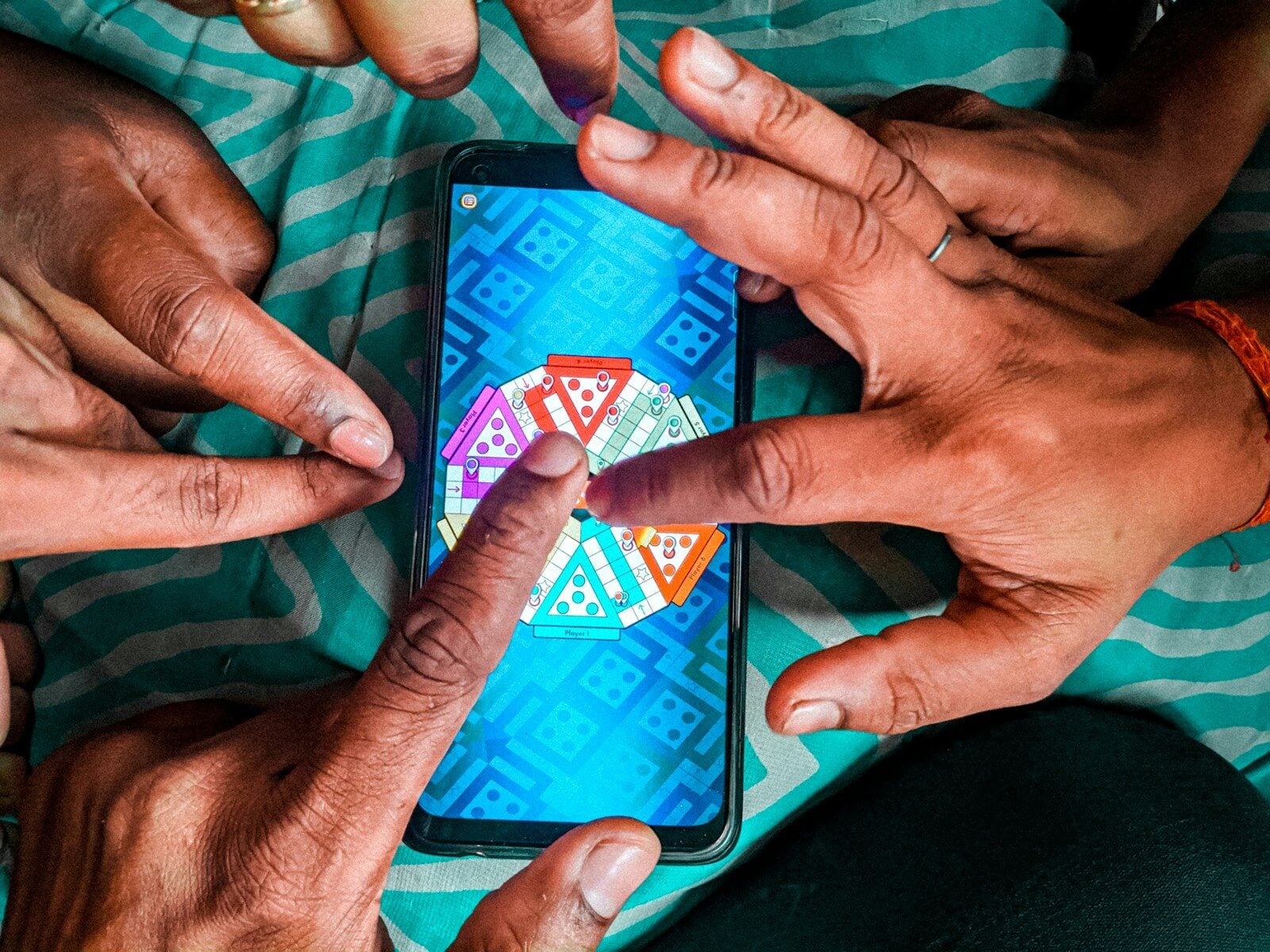
There is something familiar about opening a board, spreading it across a table and handing out four tokens to each player. Someone rolls the dice, another person waits for their turn, and before long, a quiet room can become surprisingly lively. That simple experience is what has kept लूडो familiar across generations. The board may no longer be the only place where people play, but the basic appeal has remained easy to recognise.
What has changed is everything around the game. A physical board once determined where and when a match could happen. Mobile screens have removed much of that limitation, giving the same basic game a different setting without making it difficult for existing players to understand.
The Board Was Once Part of the Experience
Playing Ludo on a physical board involved more than just taking turns. Someone had to take the board out of its box, lay the tokens in their proper place, and find a spot to play the game. Most of the time, though, all of the players were already together and ready to play a game with one another.
With a physical board game, all of the pieces were visible on the board. Each player would pick up the token they wanted to move and place it on its new square. Each player also rolled the dice across the board in order to determine their move for that turn. All of the players were usually engaged in the game as well as other activities at the same time.
None of the actions that occurred in a game of Ludo on a board were complicated. However, all of these actions contributed to the game and the experience of playing it. The individuals who played Ludo had to be together for the game and give the game their attention until the match was complete.
Changing Habits Made Flexible Play More Useful
Entertainment habits do not always stay tied to one place. Friends may live in different cities, family members may have different schedules, and there may not always be a board sitting nearby when someone feels like playing.
That created a practical reason for familiar games to move beyond the table. The appeal was not necessarily about replacing the physical board. It was about making the game easier to access when the original setup was not possible.
Instead of waiting for everyone to be in the same room, players could begin a match through their phones. The social part of the game could continue, even when the physical setting had changed.
A Mobile Screen Removes the Setup
Moving Ludo on a platform like Zupee changes several small parts of the experience. There is no board to unfold, no tokens to distribute and no dice to keep track of. A player opens the game, chooses a match and gets into the action without preparing a table first.
The phone also handles things that players previously managed themselves. Tokens move according to the result, turns are clearly shown, and the board remains visible throughout the match. Touch controls make the interaction straightforward because the player can tap rather than physically move a piece.
The difference may sound minor, but these small changes affect how easily the game fits into everyday routines. A short break can become an opportunity for a quick match without needing a dedicated playing space.
The Social Side Has Found a Different Setting
The table was always an important part of Ludo because it brought people together. Mobile play changes that relationship without removing it entirely. A player can join a multiplayer match with friends who are somewhere else, rather than having to arrange a time when everyone can sit together. The interaction becomes digital, but the familiar moments remain. Players still react when someone gets a useful dice roll, watch opponents make moves and wait for their own turn.
There is also a different kind of variety. A physical game usually involves people you already know or whoever happens to be nearby. Online play can introduce different opponents and different playing situations, giving a familiar game a slightly less predictable social setting.
At the same time, it would be unfair to say that one format replaces the other. Sitting around a board has its own atmosphere. Playing through a phone simply makes another kind of interaction possible.
The Rules Did Not Need a Complete Rewrite
Perhaps the most interesting part of the transition is how little needed to change at the centre of the game. The familiar pieces are still there: tokens, dice, turns, movement and a route toward the finish. Players still make decisions based on the position of their tokens and the outcome of each roll. The board may now be displayed on a screen, but someone who already understands the physical game does not need to learn an entirely different system.
That familiarity matters. A digital version can add convenience without asking players to forget what they already know. The phone handles the physical parts of the game, while the player remains focused on choosing moves, watching opponents and waiting for the next turn.
Why the Move to Mobile Feels Natural
Ludo was already built around a simple structure. Players could understand the objective quickly, follow turns without much explanation and enjoy the game without a long preparation period.
That simplicity made the move to mobile screens relatively natural. The digital format did not need to make the game more complicated to keep people interested. It only needed to recreate the familiar board and make the basic actions easy to follow.
Zupee Brings Ludo Into the Mobile Era
Platforms like Zupee have made it easy for gamers to access Ludo through their smartphones. Gamers can join a match without having to set up a physical board, tokens, or find an available space to play. The controls and gameplay on the platform are designed to be familiar to those who already know the traditional game of Ludo.
For players who enjoy the social element of Ludo, mobile platforms can provide another way to connect with friends and other players. Instead of waiting for everyone to be available around the same table, a match can take place through a phone. Zupee keeps the focus on the recognisable elements of Ludo; turns, dice rolls, token movement and competition, while letting the mobile device manage the mechanics of the board.
Conclusion
The journey from a family board to a mobile screen is really a change in access and setting. The physical version created a shared table experience, while mobile play allows that same familiar structure to fit into different places, schedules and social situations.
Platforms such as Zupee bring familiar Ludo gameplay into a mobile setting, giving players a straightforward way to join multiplayer matches, use simple controls and enjoy the game with friends.
Even searches such as ludo cash can sit alongside the broader interest in casual mobile entertainment without changing what makes the game recognisable. The format may continue to shift, but the core experience remains easy to understand. That is what allows a game once played around a family table to feel just as familiar when the board appears on a phone screen.

Author: Kossi Adzo
Kossi Adzo is the editor and author of Startup.info. He is software engineer. Innovation, Businesses and companies are his passion. He filled several patents in IT & Communication technologies. He manages the technical operations at Startup.info.




-

 Resources5 years ago
Why Companies Must Adopt Digital Documents
-

 Resources4 years ago
A Guide to Pickleball: The Latest, Greatest Sport You Might Not Know, But Should!
-

 Resources1 year ago
50 Best AI Free Tools in 2025 (Tried & Tested)
-

 Resources1 year ago
Get Paid $5000+ a month to write : Discover 30 Spectacular Websites That Reward Your Writing Effort