Blogs
Hidden Drain and Pipe Problems You Might Be Missing

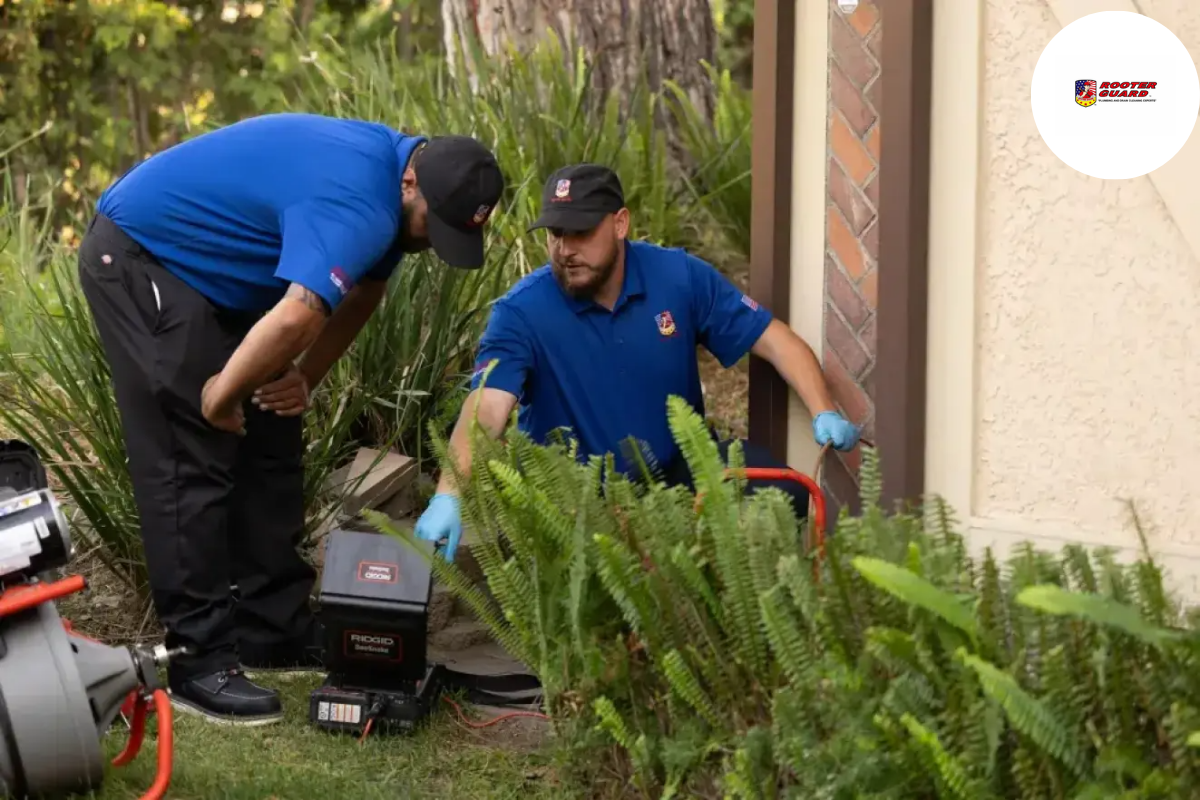
Most plumbing problems don’t start as emergencies. A pipe rarely bursts out of nowhere, and a sewer line rarely backs up without warning signs that build over weeks or months beforehand. The truth is that a little regular attention keeps your plumbing running the way it should for years, while ignoring the small stuff is exactly how homeowners end up needing an expert plumber in Long Beach, residents call after hours, dealing with a flooded bathroom or a backed-up sewer line. This guide covers the habits that actually make a difference, what to watch for before a small issue becomes a big one, and how something like learning to safely unblock a sewer pipe can save you both money and stress.
Why Regular Plumbing Care Actually Matters
A plumbing system works quietly in the background of your home until something goes wrong, and by then, the fix usually costs more and takes longer than it would have if the problem had been caught earlier. Pipes corrode slowly. Small leaks grow bigger over months. Sediment builds up inside a water heater, one mineral deposit at a time. None of these problems happen overnight, which means there is almost always a window where a quick check or a simple habit could have caught the issue before it became expensive.
Think of your plumbing system the way you think of your car. You don’t wait for the engine to seize before changing the oil, because you know regular care prevents big failures. Plumbing works the same way, except the warning signs are often quieter, like a slightly slower drain or a faint dripping sound that’s easy to tune out during a busy week.
The Real Cost of Ignoring Small Problems
A dripping faucet may seem minor, but a single faucet dripping once per second can waste over 3,000 gallons of water in a year. A slow drain that goes unaddressed often turns into a full blockage, sometimes right when you have guests over or right before a holiday. And a water heater that never gets flushed builds up sediment at the bottom of the tank, which makes the heater work harder, raises your energy bill, and shortens the unit’s life by years.
Real-life example: A homeowner noticed their kitchen faucet dripping every few seconds and figured it wasn’t worth the hassle of fixing it right away. Eight months later, their water bill had crept up by almost $20 a month without any change in usage. A quick look at the faucet revealed a worn-out washer, a five-dollar part that a plumber replaced in less than twenty minutes. The homeowner realized the dripping had quietly cost them more than a hundred and fifty dollars over those eight months, all from a fix that should have taken one afternoon.
Simple Habits That Protect Your Pipes
Watch What Goes Down Your Drains
The single biggest thing you can do for your plumbing system costs nothing. It just means paying attention to what goes down your sinks, toilets, and showers. Grease should never go down a kitchen sink, even with hot water running, because it hardens as it cools and builds up along the pipe walls over time. Coffee grounds, eggshells, and fibrous food scraps behave the same way, sticking to whatever grease or soap residue is already coating the inside of the pipe.
Toilets are not designed to handle anything besides waste and toilet paper. Wipes labelled as flushable, paper towels, and feminine hygiene products do not break down the way toilet paper does, and they are one of the most common causes of blockages that require professional help to clear. A simple rule that works in almost any home: if it isn’t waste or toilet paper, it goes in the trash, not the toilet.
Check for Leaks Before They Become Obvious
Most leaks give off small clues long before they become a visible puddle on the floor. A slightly higher water bill, a faint musty smell near a sink cabinet, or a water stain that seems to be spreading slowly on a ceiling is all worth investigating right away rather than waiting to see if they get worse.
Checking under every sink in your home once a month takes only a few minutes and catches leaks while they are still small and easy to fix. Look for dampness around pipe connections, discoloration on the cabinet floor, or a faint smell that wasn’t there before. Catching a slow leak this early usually means a simple fitting tightening or washer replacement, rather than dealing with water-damaged cabinets or flooring months later.
Take Care of Your Water Heater
A water heater is one of the most overlooked parts of a home’s plumbing system, largely because it can go years without any attention. But sediment naturally settles at the bottom of the tank over time, especially in areas with hard water, and this buildup reduces the unit’s efficiency and shortens its overall lifespan.
Flushing the tank once a year removes this sediment and helps the water heater run as designed. This involves draining a portion of the tank through the drain valve until the water runs clear, a process most homeowners can do with a garden hose, though a plumber can handle it quickly if you would rather not. Testing the pressure relief valve twice a year is just as important, since this valve exists to safely release pressure if the tank overheats, and a seized valve defeats its entire purpose.
Keep an Eye on Water Pressure
Water pressure that feels too strong might seem like a good thing, but consistently high pressure puts stress on every pipe, joint, and fitting in your home, increasing the risk of leaks or burst pipes over time. Most homes should run somewhere between 40 and 80 pounds per square inch, and a simple pressure gauge attached to an outdoor spigot can help determine where your home’s pressure stands. Rooter Guard can help homeowners identify abnormal water pressure and recommend the right solution to protect the plumbing system.
If your pressure consistently runs above the recommended range, a pressure-regulating valve installed where the main water line enters your home can bring it back to a safer level, protecting everything downstream from unnecessary wear. Rooter Guard can inspect your plumbing system, identify pressure-related concerns, and provide professional solutions that help reduce the risk of leaks, pipe damage, and costly emergency repairs.
How to Unblock a Sewer Pipe the Right Way
A clogged sewer pipe differs from a clogged sink or shower drain because it affects every fixture connected to the main line, not just one. If more than one drain in your home is backing up at the same time, or if you notice water rising in a shower or tub whenever you flush a toilet, the blockage is most likely in the main sewer line rather than an individual pipe.
Trying to unblock a sewer pipe with a standard drain snake sometimes offers temporary relief, but it often only punches a hole through whatever is causing the blockage rather than clearing it completely. This is especially true when the cause is tree root intrusion, which regrows quickly and can cause the same backup to recur within weeks.
A hydro jetting service, which uses high-pressure water to clear the entire diameter of the pipe rather than just poking a hole through the blockage, works far better for stubborn or recurring clogs. For blockages caused by root intrusion or a cracked pipe, a camera inspection beforehand helps a plumber understand exactly what they are dealing with, so the fix addresses the actual cause instead of just the symptom. Attempting a full sewer line clear without this kind of diagnostic step often means paying for the same repair again within a year.
Signs You Need a Professional Instead of a DIY Fix
Plenty of small plumbing tasks are safe to handle on your own, like clearing a slow bathroom sink or replacing a worn-out washer. But certain signs point to something that needs more than a home fix, and pushing forward without professional help in these situations can turn a moderate repair into a much bigger one.
Water backing up in multiple drains at once, a sewage smell coming from your yard or a floor drain, or a sudden drop in water pressure throughout your whole house are all signs that the problem sits deeper in your plumbing system than a simple clog. Gurgling sounds coming from drains when you’re not even running water usually mean air is trapped behind a blockage, which is another sign the issue needs a proper inspection rather than another round of home remedies.
Bringing in a professional plumber Long Beach families already trust for these situations means the actual cause gets identified with the right tools, whether that’s a camera inspection, a pressure test, or hydro jetting equipment that most homes simply don’t have access to. Catching these signs early, rather than waiting for a full backup, keeps the repair smaller and far less disruptive.
Building a Simple Maintenance Routine That Actually Sticks
The homeowners who avoid major plumbing emergencies usually aren’t doing anything complicated. They’re just consistent with a few small habits throughout the year instead of ignoring everything until something breaks. Pick one day each season, maybe the first weekend of January, April, July, and October, and use that day to check under sinks, test your water pressure, look at exposed pipes for any signs of corrosion, and clean out faucet aerators that may have slowed down due to mineral buildup.
Pairing plumbing checks with a seasonal task you already do, like changing HVAC filters or checking smoke detector batteries, makes it much easier to remember. None of these checks take more than thirty minutes total, but they give you a real chance to catch a problem while it’s still small enough to fix yourself or with a quick, affordable visit from a plumber.
FAQ
1. How often should I have my plumbing system professionally inspected?
A full inspection every two to three years is enough for most homes, though older homes with clay or cast iron pipes benefit from more frequent checks, closer to once a year.
2. Can I use chemical drain cleaners as part of regular maintenance?
Regular use is not recommended, since these products can wear down pipe materials over time, especially in older plumbing systems. They are better used occasionally for a specific clog rather than as a routine habit.
3. What is the biggest mistake homeowners make with their plumbing?
Ignoring small warning signs, like a slightly slow drain or a faint dripping sound, is the most common mistake, since these issues almost always grow into bigger, more expensive problems if left alone.
4. Is hydro jetting safe for older pipes?
Hydro jetting is generally safe for most pipe materials, but a plumber should first assess the condition of older or already damaged pipes, since severely deteriorated pipes may require repair rather than high-pressure cleaning.
What To Do Next: Protect Your Plumbing With Rooter Guard
Keeping your plumbing system running properly doesn’t require constant attention or expensive equipment. It means paying attention to the small signs your home gives you, checking under sinks once a month, flushing your water heater once a year, and being mindful of what goes down your drains every day. These simple habits take very little time but can help prevent plumbing emergencies that happen at the worst possible moment. For added protection and professional plumbing support, Rooter Guard can help keep your plumbing system working efficiently and address potential issues before they turn into costly repairs.
If you notice a slow drain that keeps coming back, multiple fixtures backing up at once, or any of the warning signs covered in this guide, don’t wait for the problem to get worse. Professional plumbing services can help inspect your system, properly clear stubborn sewer blockages, and identify developing issues before they become major repairs. A little attention now, combined with reliable professional help when needed, is always easier and more affordable than dealing with a full plumbing emergency later.



-

 Resources5 years ago
Why Companies Must Adopt Digital Documents
-

 Resources4 years ago
A Guide to Pickleball: The Latest, Greatest Sport You Might Not Know, But Should!
-

 Resources1 year ago
50 Best AI Free Tools in 2025 (Tried & Tested)
-

 Resources1 year ago
Get Paid $5000+ a month to write : Discover 30 Spectacular Websites That Reward Your Writing Effort