Blogs
5 Hidden Ways You Can Reduce Warehouse Operating Costs

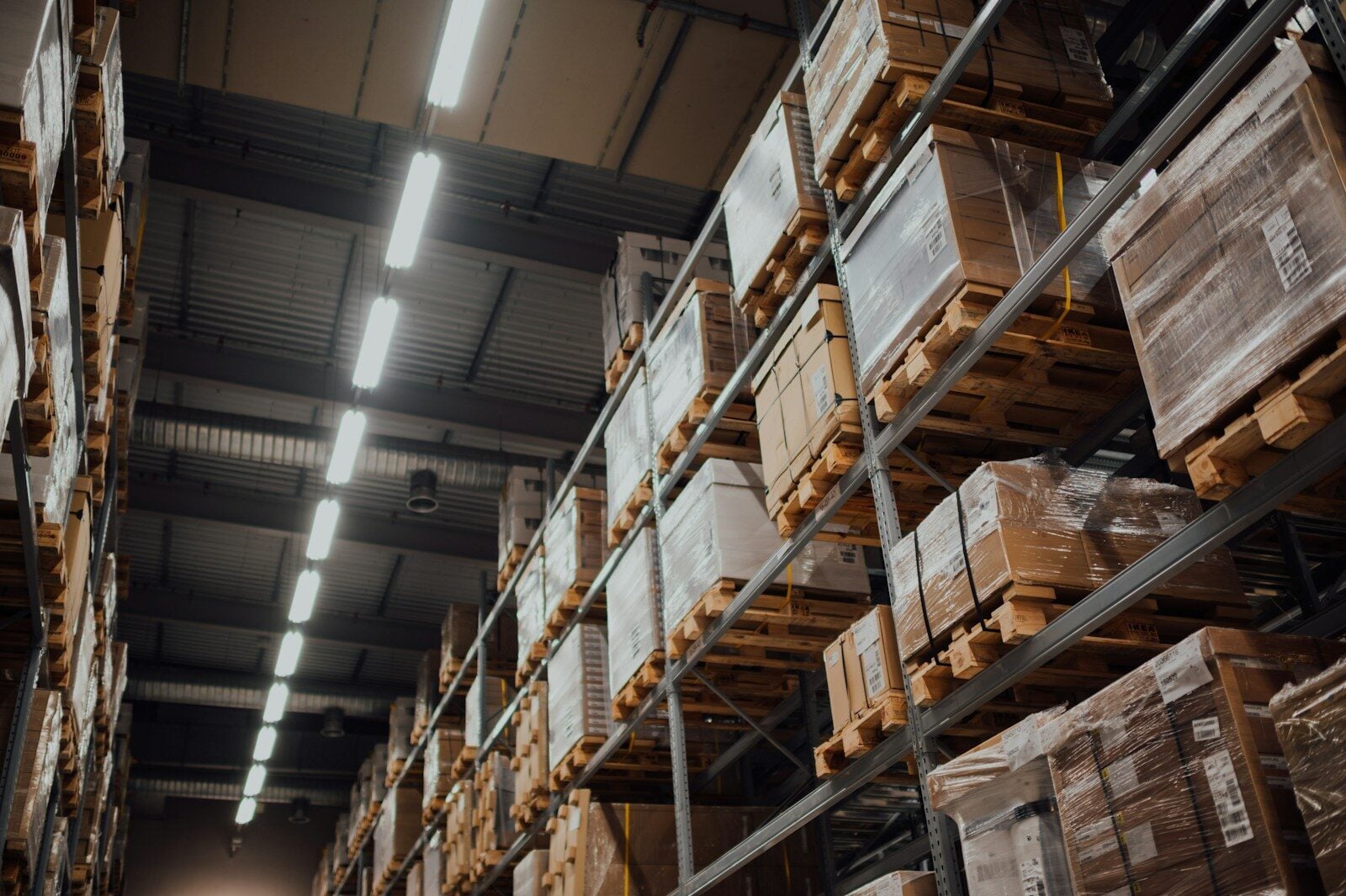
Warehouse costs rarely arrive as one obvious problem. A few extra minutes on every pallet move, an idle forklift on a quiet shift, or frequent repairs on a poorly matched truck can quietly increase spending. Those costs are easy to miss because they are spread across equipment, labor, and daily operations.
Lowering expenses begins with finding where work takes longer than it should. Buying the least expensive machine is not always the answer. A properly matched 5000 lb forklift, for example, may serve one warehouse well, while another needs different capacity or features. The value depends on what the specific truck can handle in that facility.
The following five opportunities can help you use equipment more effectively without making receiving, storage, or shipping harder. Some involve purchasing decisions; others may reveal savings in the way your current fleet is used.
Lowering Equipment Expenses Through Smarter Purchasing
1. Buy for the Loads You Move Most Often
It is tempting to shop for the highest lifting capacity your budget allows. Extra capacity can be useful when regular work requires it, but a larger machine may also cost more and need additional room to operate. Paying for a capability that rarely gets used does little to improve everyday performance.
Review shipping records and document your routine loads by weight, dimensions, and frequency. Include pallets and packaging, then note how high each load needs to be placed. Use the manufacturer’s information and the individual truck’s data plate to check its allowable capacity at the required load center, lift height, and attachment setup. The rating in an advertisement does not apply to every possible lift.
Separate occasional heavy jobs from daily work. If an unusually large shipment arrives once or twice a year, compare the cost of renting suitable equipment with owning a higher-capacity truck full-time. If the heavier loads are becoming routine, investing in appropriate capacity may prevent repeated handling and scheduling delays.
2. Put the Complete Cost Beside the Asking Price
A used forklift with a low listing price can become expensive when it needs tires, battery work, or major repairs before its first shift. Another truck may cost more upfront yet need fewer immediate expenses. Comparing purchase prices alone hides the difference.
Build a simple budget for each candidate. Include delivery, a qualified inspection, required repairs, attachments, routine service, and fuel or electricity. Ask for operating hours, maintenance records, and a written explanation of what the seller means by refurbished, wholesale, or as-is. Those descriptions can reflect different levels of preparation.
If you are evaluating crown forklifts or other brands, compare individual units against the same requirements. Confirm that local technicians can service the model and that replacement parts are available. A familiar name is useful context, but the condition and fit of the actual machine determine whether the deal works for your budget.
3. Match Fleet Size to Busy Hours, Not Average Hours
A warehouse can own too many trucks and still struggle during peak periods. If equipment sits unused most mornings but every available forklift is needed during afternoon shipping, the problem may be scheduling rather than total capacity. Buying another machine without examining that pattern could add an expense while leaving the busiest hour just as congested.
Track forklift use by shift and work area for several representative weeks. Note when operators wait for a truck, when machines sit idle, and whether demand is tied to recurring deliveries or seasonal surges. Consider whether adjusting receiving times, assigning equipment differently, or renting for a predictable peak could solve the issue.
If delays occur every day despite sensible scheduling, an additional truck may be justified. The point is to base that decision on observed use. An equipment purchase should address a specific shortage or capability gap, not simply the impression that everyone is busy.
Cutting Equipment Costs While Maintaining Warehouse Performance
4. Reduce Repeat Trips and Unnecessary Handling
Small route inefficiencies can add up. A pallet moved from receiving to temporary staging and then moved again to its final rack takes extra operator time and forklift hours. A poorly placed fast-moving product can create long travel routes on every shift. These are operating costs even when no invoice identifies them separately.
Walk the path of common loads from arrival through storage and shipping. Count repeated touches and identify congested intersections. If practical, position high-volume inventory closer to the work areas it serves and make staging locations clear. Coordinate changes with operators so a shorter route does not introduce a new visibility or traffic problem.
Measure results after a layout change. Track travel time, moves per order, and waiting time at busy locations. A small improvement repeated throughout the week may save more than an equipment upgrade that does not address the original delay.
5. Address Wear Before It Turns Into Downtime
Routine service is easy to postpone when a forklift appears to be working normally. Yet a machine taken out of service unexpectedly can disrupt loading schedules, require a rental, or leave operators waiting. Following the manufacturer’s maintenance guidance and keeping clear records can help your team respond to developing issues sooner.
Review operator inspection reports and recurring service calls. If the same problem returns after multiple repairs, ask qualified maintenance personnel to identify its cause rather than paying for another temporary fix. Equipment with a defect affecting safe operation should be removed from service until it is corrected.
Maintenance records also tell you when it may be time to replace a truck. Compare repair spending and downtime over several months with the cost of a suitable alternative. If you are browsing hyster forklifts for sale, carry that history into the comparison: the replacement should solve a documented problem and fit your existing workflow.
Cost control does not require cutting the resources your warehouse needs. It requires knowing which loads your fleet handles, when equipment is used, where material spends unnecessary time, and what each truck costs to keep working. Start with one measurable issue, make a targeted change, and check whether it improves the shift. Those decisions can protect performance while reducing expenses that otherwise stay hidden in the daily routine.



-

 Resources5 years ago
Why Companies Must Adopt Digital Documents
-

 Resources4 years ago
A Guide to Pickleball: The Latest, Greatest Sport You Might Not Know, But Should!
-

 Resources1 year ago
50 Best AI Free Tools in 2025 (Tried & Tested)
-

 Resources1 year ago
Get Paid $5000+ a month to write : Discover 30 Spectacular Websites That Reward Your Writing Effort