Blogs
How Does Sleep Support Workout Recovery?

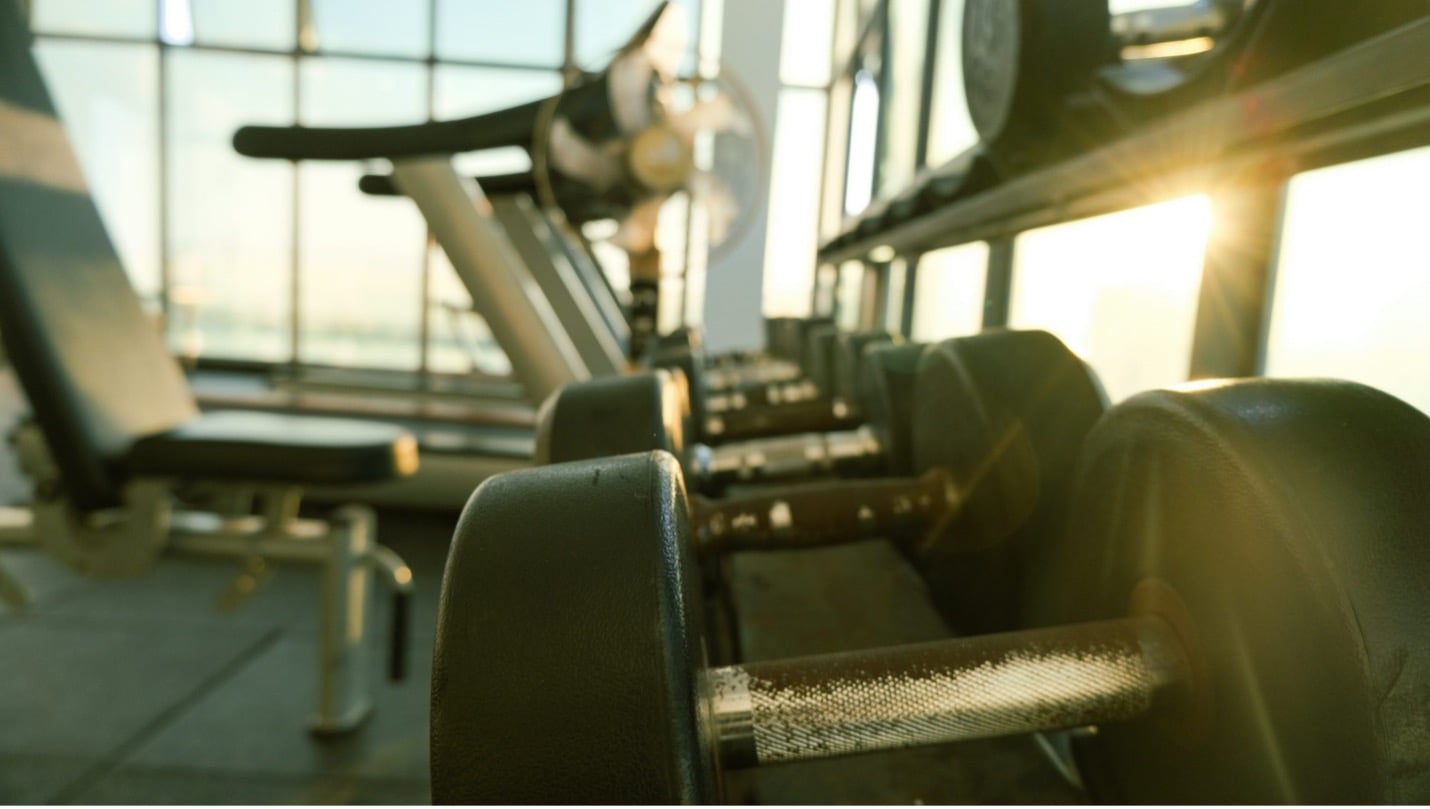
What makes an athlete keep going every day while others struggle to continue a newly adopted intense workout? The main reason is that they prioritize rest to improve muscle recovery and energy restoration.
Your body undergoes physical stress, no matter which workout routine you choose, and natural healing depends on factors such as a good diet and proper sleep hygiene. Healthy post-workout meals are easier to manage, but maintaining good sleep quality can be challenging with post-exercise discomfort and fatigue.
If you are facing similar issues and experiencing slow recovery, you are in the right place. Here, learn about the role of sleep in restorative rest, along with effective strategies for maintaining healthy sleep hygiene after a workout.
Why Is Sleep Crucial for Exercise Recovery?
Just like protein-enriched workout meals, sleep supports your body’s quick recovery in the following ways:
Stimulating Growth Hormones
Sleep directly supports cell regeneration and tissue repair by stimulating growth hormones, but this happens only during deep sleep.
Your body goes through various stages during the sleep cycle, such as REM and Non-REM phases, and only deep sleep stimulates growth hormone production. To reach this phase, you need uninterrupted sleep.
Strengthening Immune Response
Along with growth hormones, sleep directly strengthens your immune system. After a workout, your body experiences inflammation from muscle tears. A good sleep cycle reduces inflammation markers, reducing soreness with a faster immune response. So you feel refreshed after getting enough sleep.
Hormone Balance
You experience elevated cortisol levels during workouts temporarily to meet high physical demands by generating energy through glucose. However, if these levels stay elevated too long, they can slow recovery by hindering protein synthesis. Sleep helps restore normal cortisol levels, protecting your body from this breakdown.
Replenishment of Muscle Glycogen
Glycogen is a stored energy reserve that breaks down into glucose to fuel physical performance. During intense workouts, these energy stores can get depleted quickly. Sleep is the best way to replenish these glycogen stores and make your body ready for the next workout.
5 Easy Ways to Improve Sleep Quality for Muscle Repair
For effective muscle recovery and energy restoration, both sleep quality and quantity matter. You need to get the required sleep hours depending on your age. Likewise, sleep quality means fewer nighttime awakenings, shorter sleep latency, and completing sleep cycles through all stages. Here are the following natural methods that work for both sleep quality and quantity:
1. Implementing Light Adjustments
During the day, expose yourself to bright light, including sunlight or artificial lighting, as much as possible. This helps the brain receive signals about the day and suppress melatonin, the sleep hormone. Conversely, have dim lights at night to stimulate melatonin production. This simple light adjustment can support circadian rhythm regulation and promote more restorative sleep.
2. Having Natural Sleep Aids
Wellness industries are offering innovative yet science-based sleep aids such as sleep gummies, melatonin supplements, or L-theanine gummies. All such edibles have a soothing effect on the nervous system, helping to achieve quality nighttime sleep.
3. Performing Calming Evening Rituals
After intense workouts, mental stress is common, along with physical fatigue and discomfort. These factors can hinder your ability to wind down and affect your rest, so you need to build a calming evening routine. Consider simple rituals such as journaling, meditation, or warm herbal teas to transition from alertness to sleepiness.
4. Considering Environmental Factors
Environmental factors such as noise and temperature can also reduce sleep duration and increase nighttime awakenings. So, use soundproof earplugs or white-noise devices to block external traffic or animal noise.
Likewise, choose breathable bedspreads or use properly ventilated rooms to regulate temperature. Your core body temperature naturally drops during sleep. To support this, a cooled room can work well.
5. Adjust Sleep and Workout Timings
Physical activity helps lower cortisol levels, but intense workouts can do the opposite. So, if your exercise involves high-impact activities, make sure you perform them well before bedtime. Better to do before evening. This gives you enough time to return to relaxation mode and get uninterrupted sleep.
Bottom Line
Sleep is an essential part of workout recovery that strengthens your body’s natural immune function. By helping your body restore lost energy, it enables you to perform well in your next training session. So, sleep is not just about muscle recovery; your overall performance depends on it. Along with a balanced diet and regular training, build healthy sleep habits for faster recovery and better long-term performance.



-

 Resources5 years ago
Why Companies Must Adopt Digital Documents
-

 Resources4 years ago
A Guide to Pickleball: The Latest, Greatest Sport You Might Not Know, But Should!
-

 Resources1 year ago
50 Best AI Free Tools in 2025 (Tried & Tested)
-

 Resources1 year ago
Get Paid $5000+ a month to write : Discover 30 Spectacular Websites That Reward Your Writing Effort