Artificial Intelligence (AI)
How Is Artificial Intelligence Making Digital Content Creation More Accessible?

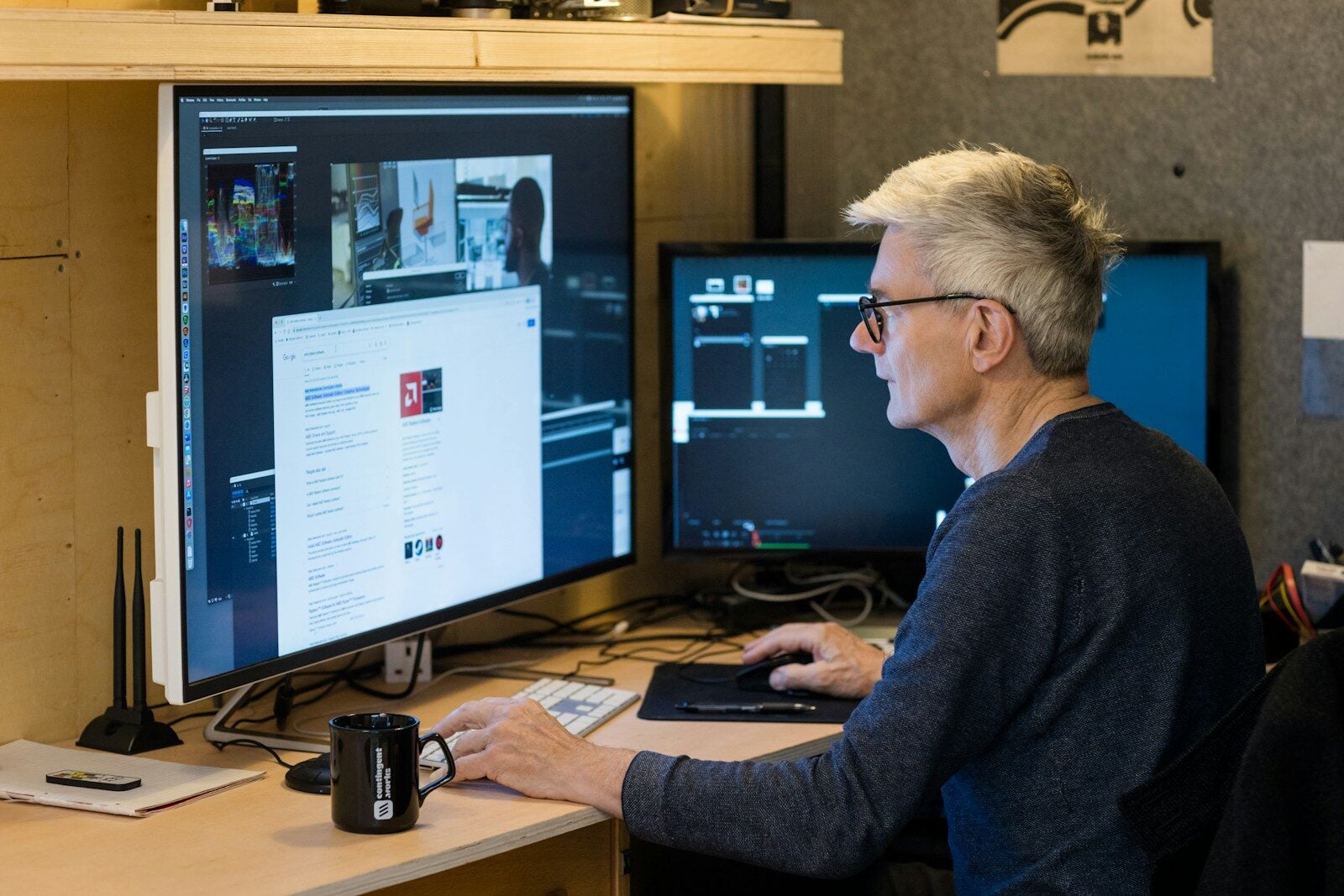
Artificial intelligence is changing how people create digital content, from designing original images to producing engaging videos for social media and marketing campaigns. Tasks that once required specialized software and extensive editing experience can now begin with a simple text prompt or reference image.
For businesses, designers, and content creators, AI tools offer new ways to explore ideas, test visual concepts, and develop content more efficiently. Understanding how these technologies work can help users choose tools that fit their creative goals.
How Can AI Turn Ideas Into Digital Images?
AI image-generation tools allow users to describe a scene, object, or concept and generate a visual interpretation of that description. These tools can support everything from product concepts and digital illustrations to advertising graphics and creative presentations.
For example, a small business preparing a marketing campaign might generate several background concepts before selecting a direction for its final design. An artist might explore different lighting styles, while a social media manager could create visuals tailored to different platforms.
Ideogram 4.5 is a model name that creators may encounter when exploring modern AI image-generation options. When evaluating an image model, users should consider its ability to interpret detailed prompts, create coherent compositions, render text accurately, and produce images that suit the intended purpose.
Rather than choosing a model based only on popularity, creators can test it with real project requirements to determine whether its output meets their expectations.
Why Is AI Video Generation Becoming Important?
Video has become an essential format for digital marketing, online education, entertainment, and social media storytelling. However, traditional video production can involve cameras, actors, editing software, and significant time investment.
AI video-generation tools provide an alternative for developing visual concepts. Depending on the model, users can create clips from written descriptions, animate still images, or guide scenes with reference materials.
Kling 4.0 represents a newer generation of AI video technology. Its announced capabilities include text-to-video and image-to-video generation, multi-keyframe control, and video generation of up to 30 seconds per generation. These features can help creators plan movement, guide scene progression, and develop more structured visual sequences.
The actual results depend on the prompt, model availability, and generation settings. Generated footage may also need editing to improve continuity, refine timing, and correct visual inconsistencies.
How Can AI Image and Video Tools Work Together?
Image and video generation can complement each other in a single creative workflow. Instead of treating each asset as a separate project, creators can develop a visual concept first and then expand it into motion.
A typical workflow might look like this:
- Define the concept: Decide on the subject, audience, visual style, and purpose of the content.
- Generate a reference image: Use an AI image model to explore possible compositions, colors, and design directions.
- Refine the visual: Adjust the prompt and select an image that fits the creative brief.
- Create a video sequence: Use an AI video tool to animate the image or generate a scene from a text description.
- Review and edit: Check movement, visual consistency, text, and timing before publishing.
This approach can help creators produce promotional clips, product visuals, concept videos, and short-form social media content with a more consistent creative direction.
What Are the Main Benefits of AI-Assisted Content Creation?
AI tools can support several stages of the creative process, although their usefulness varies by project and platform.
Faster concept development: Generate multiple initial ideas without designing every option manually.
More room for experimentation: Explore different visual styles, compositions, and storytelling approaches before committing to a final concept.
Accessible creative workflows: Give people without advanced design or video-editing skills a starting point for producing visual content.
Flexible content production: Adapt creative concepts for advertisements, presentations, social media posts, and other digital formats.
AI-generated results are not automatically publication-ready. Human review remains important for accuracy, brand consistency, and overall quality.
What Should You Consider When Choosing AI Creative Tools?
The best tool depends on the type of content you want to create. An image-focused project may require accurate text rendering and detailed composition, while a video project may prioritize natural movement, scene continuity, and control over camera direction.
Before selecting a platform, consider:
- Output quality: Does the result match your visual expectations?
- Prompt interpretation: Can the model follow detailed instructions?
- Creative control: Can you guide the subject, style, composition, or motion?
- Editing capabilities: Can you refine the output without rebuilding the entire project?
- Cost and access: Are the pricing, generation limits, and export options appropriate for your needs?
- Usage rights: Do the platform’s current terms support your intended use?
Testing a few representative prompts can provide a more reliable comparison than relying solely on feature lists or promotional examples.
How Will AI Shape the Future of Digital Creativity?
AI is making it easier to experiment with images, animation, and video concepts, but successful content still requires clear direction. Creators need to understand their audiences, communicate ideas effectively, and review the quality of generated results.
As image and video models continue to evolve, the distinction between concept development and production may become less rigid. A single creative idea could move from a written prompt to an image and then into a video sequence through a connected workflow.
The most effective approach is to combine AI-generated possibilities with human creativity, thoughtful editing, and quality control. This allows creators to use emerging technologies as practical tools while keeping the purpose and message of their content at the center.


-

 Resources5 years ago
Why Companies Must Adopt Digital Documents
-

 Resources4 years ago
A Guide to Pickleball: The Latest, Greatest Sport You Might Not Know, But Should!
-

 Resources1 year ago
50 Best AI Free Tools in 2025 (Tried & Tested)
-

 Resources1 year ago
Get Paid $5000+ a month to write : Discover 30 Spectacular Websites That Reward Your Writing Effort