Blogs
Beyond Solar Panels: How Solar Carports Create New Business Opportunities for Commercial Properties

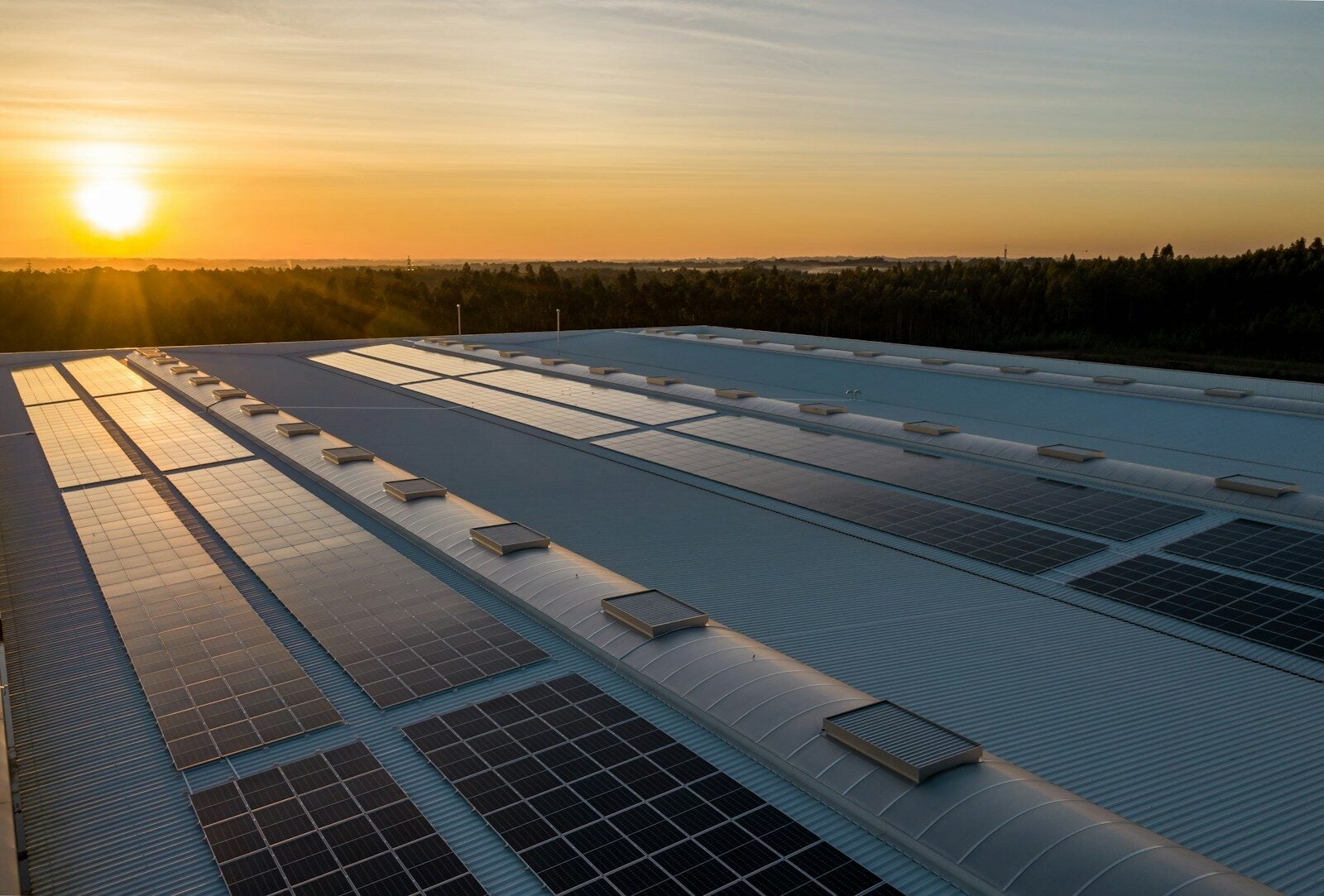
As commercial real estate markets evolve, property owners and asset managers are continually looking for innovative ways to boost property value, reduce operating expenditures, and meet ambitious corporate sustainability targets. While rooftop solar installations have long been the traditional choice for green energy adoption, a transformative trend is reshaping the commercial landscape: solar carports.
Far exceeding their basic functional purpose of offering shade and weather protection for vehicles, commercial solar carports represent a lucrative intersection of real estate optimization, brand enhancement, and long-term financial return. By turning vast expanses of underutilized asphalt into revenue-generating microgrids, commercial properties are unlocking unprecedented economic advantages.
1. Maximizing Underutilized Real Estate:
For retail centers, corporate headquarters, industrial complexes, and multi-family residential properties, large surface parking lots take up a massive footprint. Traditionally, these expansive spaces represent a sunk cost—requiring ongoing maintenance, asphalt sealing, and lighting without generating any direct revenue.
Solar carports fundamentally alter this economic equation. By erecting engineered elevated canopies over existing parking stalls, commercial properties effectively double-use their land. The parking lot continues to serve its primary purpose while simultaneously functioning as a clean energy power plant.
To achieve the structural integrity required for large-scale parking structures, successful developers rely on specialized manufacturing partners like Plus Fabrication, which provides durable, precision-engineered metal frame kits and structural steel components built to withstand diverse environmental conditions.
2. Unlocking Diverse Revenue Streams and Cost Reductions:
The financial incentives of commercial solar carports extend far beyond simple electricity bill offsets. Depending on regional regulations and utility frameworks, properties can leverage multiple monetization avenues:
- Demand Charge Mitigation: Commercial electricity bills often feature steep “demand charges” based on peak power consumption during the day. Because solar generation naturally peaks during daylight hours—often coinciding with peak commercial activity and cooling loads—carports help shave peak demand, leading to dramatic monthly savings.
- On-Site EV Charging Infrastructure: The rapid rise of electric vehicles (EVs) has turned charging stations into a major amenity for tenants, customers, and employees. Solar carports integrated with EV chargers allow property owners to generate their own fuel supply, creating a brand-new revenue stream through paid charging services.
- Grid Export and Net Metering: When a commercial property produces more electricity than it consumes during weekends or low-occupancy periods, excess energy can often be fed back into the local grid under net metering agreements, turning the parking lot into a consistent income generator.
3. Elevating Tenant Retention and Brand Value:
In today’s competitive real estate market, tenants ranging from corporate office renters to major retail brands are increasingly prioritizing ESG (Environmental, Social, and Governance) credentials. Properties that visibly demonstrate a commitment to sustainability attract high-caliber tenants who share those values.
Furthermore, solar carports offer a direct, everyday benefit to visitors and employees. Shaded parking protects vehicles from extreme summer heat, hail, and snow, vastly improving the visitor experience at shopping malls and office parks. This visible, functional commitment to green infrastructure enhances corporate reputation and drives higher tenant retention rates.
4. Engineering Resilience and Longevity:
Building a commercial-grade solar carport requires rigorous structural engineering. Parking structures must account for wind loads, seismic activity, vehicle impact protection, and heavy snow loads, all while supporting the dead weight of photovoltaic modules and mounting hardware.
To ensure decades of trouble-free operation, modern installations utilize advanced materials such as hot-dip galvanized Q355B structural steel and corrosion-resistant framing systems designed to withstand harsh weather elements. Utilizing prefabricated modular components also significantly minimizes on-site installation timelines, reducing disruption to daily business operations and ensuring that parking lots can return to full capacity quickly.
Conclusion:
Commercial solar carports are much more than a supplementary green energy trend—they are a strategic asset class for forward-thinking property owners. By transforming idle parking lots into high-performance energy generators, commercial properties can simultaneously lower operating costs, meet sustainability goals, and enhance tenant satisfaction. As the commercial real estate sector continues to embrace smart, sustainable infrastructure, integrating well-engineered solar carports stands out as one of the most intelligent investments for the future.


-

 Resources5 years ago
Why Companies Must Adopt Digital Documents
-

 Resources4 years ago
A Guide to Pickleball: The Latest, Greatest Sport You Might Not Know, But Should!
-

 Resources1 year ago
50 Best AI Free Tools in 2025 (Tried & Tested)
-

 Resources1 year ago
Get Paid $5000+ a month to write : Discover 30 Spectacular Websites That Reward Your Writing Effort