Artificial Intelligence (AI)
Lean Visuals: How Startups Can Produce Professional Images on a Shoestring Budget

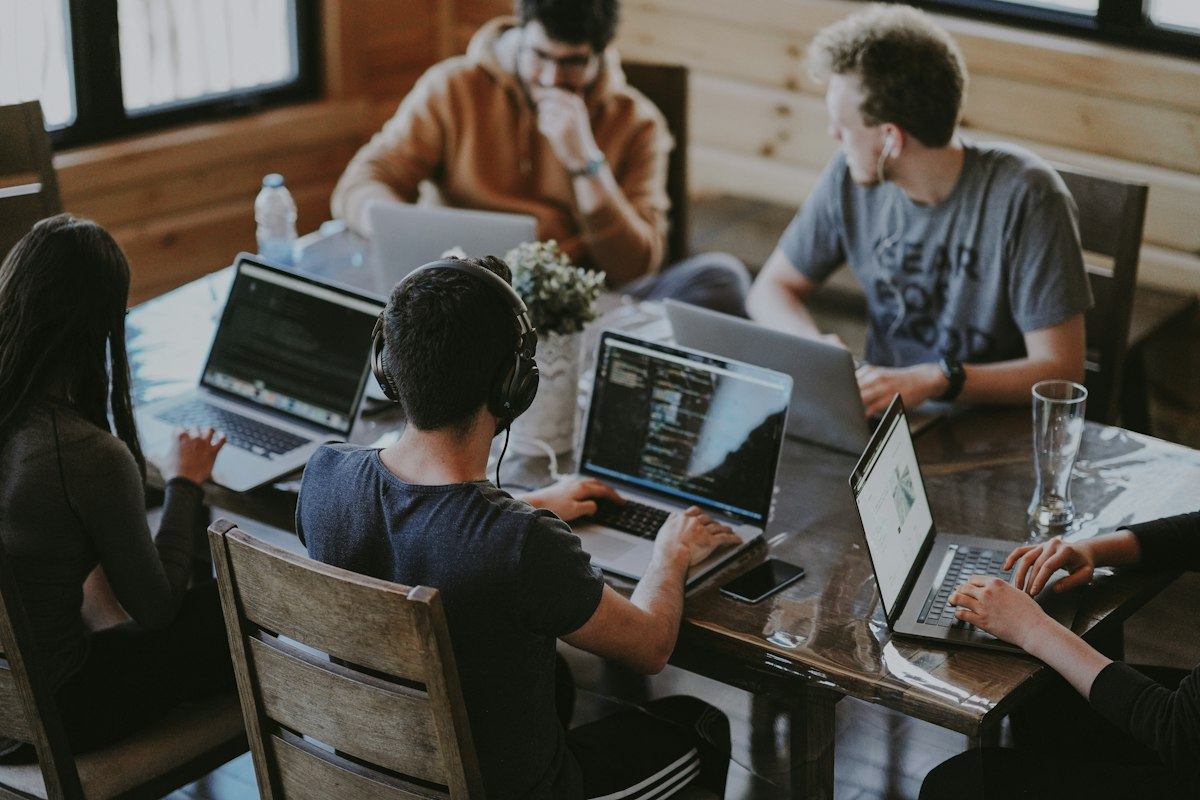
Early-stage startups need more visual content than their size suggests. There is the website and the pitch deck, the product screenshots and launch graphics, the weekly social posts, blog illustrations, ad variants for testing and event banners. Large companies have design teams and agency budgets for this. A five-person startup usually has a founder with a Canva account and a long list of other priorities.
AI image generation has changed what a small team can realistically produce. Models that once required a research lab now run behind simple APIs at a cost of a few cents per image. Used well, they let a startup create a consistent, professional visual identity without hiring a full-time designer. Used badly, they produce generic, slightly uncanny images that make a young company look less credible. This guide explains how to stay on the right side of that line.
Decide what should never be generated
Before thinking about tools, decide what must stay real. Your team photos, your actual product interface, customer logos and testimonials should always be genuine. Investors, customers and journalists will compare your materials with reality, and anything invented in those areas damages trust quickly. AI is best used for everything around those core assets: backgrounds, illustrations, concept visuals, ad variations, blog art and event graphics.
Understanding the model menu
Image model developers now offer families of models at different price and quality points, which is good news for startups. ByteDance’s Seedream line is a useful example because it covers the full range, from a fast, low-cost model for volume work to a quality-first model for hero visuals.

The Seedream lineup by job to be done, with listed per-image prices.
Seedream 5.0 Flash is designed for speed and batch work at 1K to 2K. Seedream 5.0 Lite produces images up to 4K and supports batches of up to 15. Seedream 5.0 Pro is the quality-first option, with precise text rendering and up to ten reference images, which makes it suitable for pitch deck covers and website heroes. Seedream 4.5 remains a solid choice for 2K and 4K work with accurate text. For a startup, the practical approach is to draft with the fast model and reserve the premium model for the handful of images that really matter.
What it actually costs
The numbers are small enough to surprise most founders. The table below shows an example month of visual content for a startup that posts regularly on social media, publishes a blog and runs small ad tests.

An example month of startup visuals using listed Seedream per-image prices.
Even generating hundreds of drafts, the monthly generation bill stays well under the price of a single stock photo subscription. The real cost is time: someone needs to write good prompts, choose the best results and check them carefully. That is why a clear process matters more than the choice of tool.
A simple process for a small team
- Write a one-page visual guide. Define colours, mood, photographic or illustrated style, and things to avoid. Every prompt should start from this guide.
- Collect references. Save three to five images that capture your style, plus clean photos of your product. Use them as reference inputs to keep results consistent.
- Build prompt templates. Create reusable templates for recurring jobs such as blog headers, social posts and ad backgrounds, changing only the subject each time.
- Draft cheaply, finish carefully. Generate several options with a fast model, pick the best and re-render it with a higher-quality model if needed.
- Add text in your design tool. Keep headlines, prices and calls to action as editable text rather than baking them into the image.
Automating the repetitive work
Once the process works manually, technical founders can automate parts of it. A small script can take the title of each new blog post, build a prompt from your template and generate three header options for review. Another can produce ad backgrounds in every required aspect ratio from a single brief. Using an aggregator keeps this simple because one account and one key cover several models. The ByteDance Seedream API on APIMart, for instance, gives access to Seedream 5.0 Pro, Lite and Flash plus Seedream 4.5 and 4.0 with per-image billing and no subscription, so a startup can switch between tiers by changing a model name in its configuration.
| Job | Suggested tier | Human check |
| Social post visuals | Fast tier | Brand colours and tone |
| Blog headers | Fast or balanced tier | Relevance to the article |
| Pitch deck cover | Quality-first tier | No misleading product claims |
| Website hero | Quality-first tier | Space for headline, page speed |
| Ad test variants | Fast tier | Platform ad policies |
Mistakes that make startups look amateur
A few patterns give AI imagery away immediately. Glossy, over-saturated scenes with no connection to the product look generic. Stock-style groups of smiling people who obviously are not your team undermine credibility. Text inside images with odd spellings is a clear sign nobody checked. And inconsistent styles across the website, deck and social channels make a company feel disorganised. All of these are avoidable with a visual guide, consistent references and a careful final review.
Investors and customers do not care how an image was made. They care whether your company looks focused, honest and consistent.
Measuring whether it is working
Treat your visual workflow like any other part of the business and measure it. Track how long it takes to go from an idea to a published post, how many drafts you generate for each approved image and how your visual content performs. Simple comparisons are enough: click-through rates on ads with new creative versus old, engagement on social posts with custom visuals versus plain text, and time spent per week on design tasks. If the numbers do not improve after a month, revisit your visual guide and prompt templates before blaming the tool.
It also helps to assign clear ownership. Even in a tiny team, one person should be responsible for the visual guide, the prompt library and the final review. Shared responsibility for images usually means nobody checks them properly, and that is when errors slip into a launch announcement or investor update.
Legal and practical housekeeping
Check the commercial use terms of any model or platform you use, especially for images in paid advertising. Keep a simple record of prompts and approved outputs. Follow ad platform rules on AI-generated imagery, which are evolving. And avoid generating images that imitate a specific living artist, a competitor’s brand or real people without consent.
Finally, revisit your choices every few months. Image models improve and prices change quickly, so the right tier for a job today may not be the right one next quarter. Keeping model names in configuration rather than hard-coding them makes those switches painless.
The bottom line for founders
Visual quality used to be one of the clearest signs of a well-funded company. AI image generation has narrowed that gap. A small team with a clear visual guide, a few good references and a disciplined review process can now produce materials that look as considered as those of much larger competitors, for a monthly cost lower than a team lunch. The startups that benefit most will be those that treat AI as a production assistant, keep their real product and people at the centre, and invest the time saved into the parts of the business only humans can build.








-

 Resources5 years ago
Why Companies Must Adopt Digital Documents
-

 Resources4 years ago
A Guide to Pickleball: The Latest, Greatest Sport You Might Not Know, But Should!
-

 Resources1 year ago
50 Best AI Free Tools in 2025 (Tried & Tested)
-

 Resources1 year ago
Get Paid $5000+ a month to write : Discover 30 Spectacular Websites That Reward Your Writing Effort