Resources
Mastering Material Handling with Metal Conveyor Systems

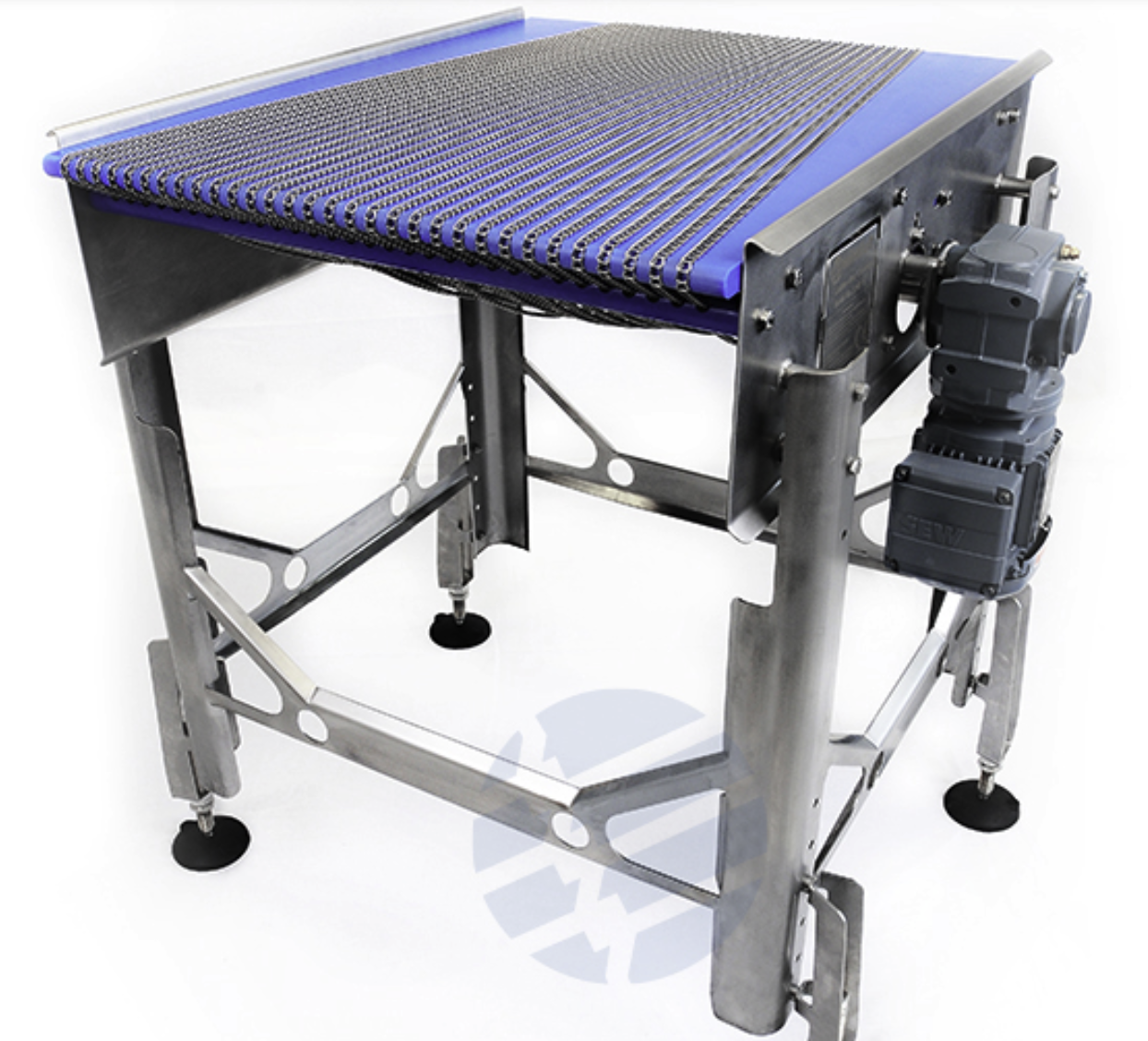
In the high-stakes world of industrial production, the difference between a record-breaking quarter and a maintenance nightmare often comes down to a single component: the conveyor belt. While fabric or rubber belts have their place, industries dealing with extreme temperatures, stringent hygiene requirements, or heavy-duty loads rely on the resilience of metal. For those seeking the gold standard in durability, a stainless steel wire mesh conveyor belt from Wire Belt Company is the industry benchmark. As a global leader in the field, Wire Belt excels at designing, manufacturing, and installing specialized systems tailored for food processing and demanding industrial applications. Their custom solutions don’t just move products; they help businesses drastically improve efficiency and reduce downtime through expert technical support, comprehensive belt surveys, specialized training, and maintenance tools designed to extend equipment life and optimize performance.+2
Why Metal Belts Rule the Production Floor
When you walk through a high-volume food processing plant or a heat-treatment facility, you’ll notice that metal belts aren’t just an option—they are a necessity. Unlike synthetic materials that can fray, melt, or harbor bacteria in porous surfaces, metal offers a level of structural integrity that is hard to match.
1. Temperature Resilience
Whether you are flash-freezing organic berries at $-40$°C or quenching automotive parts in a $1000$°C furnace, metal belts maintain their shape and strength. They don’t become brittle in the cold or stretch and sag under intense heat.
2. Hygiene and Food Safety
In the food industry, “clean” isn’t just a preference; it’s a legal and ethical mandate. Metal belts, particularly those made from high-grade stainless steel, are non-porous. This means they don’t absorb fats, oils, or allergens. Their open-mesh designs allow for easy “clean-in-place” (CIP) processes, ensuring that sanitizing agents reach every nook and cranny.+1
3. Durability and Longevity
A well-maintained metal belt can outlast several generations of synthetic belts. They are resistant to cuts from sharp edges and can handle the abrasive nature of raw materials like sand, glass, or heavy metal castings without wearing down.
The Art of Customization: Beyond “Off-the-Shelf”
One of the biggest mistakes a facility manager can make is viewing a conveyor belt as a commodity. In reality, the belt is a precision tool. This is where the expertise of a company like Wire Belt shines. They understand that a belt used for breading chicken nuggets needs entirely different airflow characteristics than a belt used for drying industrial ceramics.
Specialized Engineering
Customization starts with the weave. Some applications require a “Flat Flex” style for maximum open area (perfect for coating or cooling), while others might need a balanced weave for tracking stability. By auditing a production line, engineers can identify “pain points”—like product slipping or belt mistracking—and design a solution that eliminates these hiccups before they lead to a full-scale shutdown.
The Role of Belt Surveys
How do you know if your system is running at peak performance? Most people wait for a break to find out. A proactive approach involves professional belt surveys. Technicians evaluate the entire conveyor structure, checking for sprocket wear, alignment issues, and tensioning problems. These surveys act like a health check-up, catching minor “colds” before they turn into “pneumonia” for your production line.
Reducing Downtime: The Silent Profit Killer
In manufacturing, every minute the line is stagnant is money evaporating. If a belt breaks, it’s not just the cost of the replacement part—it’s the cost of idle labor, missed shipping deadlines, and potential product spoilage.
Technical Support and Training
Installing a high-quality belt is only half the battle. Your team needs to know how to maintain it. Providing staff with specialized training on how to properly join, tension, and clean metal belts is one of the most effective ways to extend the life of the equipment. When operators understand the “why” behind the maintenance, they are more likely to spot early warning signs of fatigue.
Maintenance Tools
Using the right tools for the job is non-negotiable. Wire Belt offers specific maintenance tools that simplify the installation and repair process. Instead of struggling with makeshift solutions that might damage the wire, using purpose-built pliers and joining tools ensures the belt’s structural integrity remains intact.
Material Handling Solutions for Diverse Industries
While we often think of conveyor belts in the context of food, their utility spans across almost every sector of modern manufacturing.
Food Processing: The Clean Standard
From chocolate enrobing to frying and baking, metal belts allow for seamless transitions between different stages of food production. The open-mesh design is particularly crucial here, as it allows for:
- Drainage: Excess oils or coatings fall through rather than pooling.
- Airflow: Crucial for rapid cooling or even baking.
- Minimal Contact: Reducing the “footprint” on the product to ensure aesthetic perfection.
Electronics and Heat Treating
In the electronics industry, static electricity is a silent enemy. Metal belts are naturally conductive, which helps in grounding the system and protecting sensitive components. In heat-treating facilities, the ability of metal to withstand repeated thermal cycling without losing tensile strength is what keeps the facility running 24/7.
Sustainability and the Bottom Line
In today’s economy, sustainability is no longer a buzzword—it’s a business strategy. Metal conveyor belts are inherently more sustainable than their plastic counterparts for several reasons:
| Feature | Metal Belts | Plastic/Fabric Belts |
| Recyclability | 100% recyclable at end-of-life. | Often ends up in landfills. |
| Chemical Use | Requires fewer harsh chemicals to clean. | Can harbor stains/bacteria requiring heavy scrubbing. |
| Energy Efficiency | High airflow reduces energy needed for drying/cooling. | Solid surfaces can act as heat sinks, wasting energy. |
| Replacement Frequency | Low; built for years of service. | High; prone to tearing and stretching. |
By investing in a high-quality system, you are reducing the “throwaway” culture within your facility. You’re buying a tool that can be refurbished, repaired, and eventually recycled.
Enhancing Efficiency Through Smarter Design
Efficiency isn’t just about speed; it’s about flow. A poorly designed conveyor system creates bottlenecks. For example, if a belt is too wide for the drive motor, it creates unnecessary strain. If the pitch of the belt isn’t matched perfectly to the sprockets, you get “chatter,” which can vibrate delicate products off the line.
The integration of custom sprockets and drive components ensures that the belt and the machine work in perfect harmony. This mechanical synergy reduces friction, which in turn lowers power consumption. It’s a win-win: your equipment lasts longer, and your electricity bill goes down.
The Human Element in a Mechanical World
At the end of the day, even the most advanced stainless steel wire mesh conveyor belt is only as good as the support system behind it. This is why the partnership between a facility and its supplier is so vital. It’s about having a team you can call when a mystery tracking issue arises at 3 AM on a Tuesday.
Companies that prioritize technical support and custom engineering don’t just sell you a roll of wire; they sell you peace of mind. They become an extension of your own maintenance team, providing the expertise needed to navigate the complexities of modern material handling.
Looking Ahead: The Future of Conveying
As we move further into the era of Automation and Industry 4.0, conveyor systems are becoming “smarter.” We are seeing the integration of sensors that can monitor belt tension and wear in real-time, feeding data back to a central hub. However, no matter how much software we add, the physical “muscle” of the operation—the belt itself—will always need to be rugged, reliable, and expertly crafted.
Choosing the right material handling solution is an investment in your company’s future. By opting for high-performance metal belts and leveraging the expertise of industry leaders like Wire Belt, you’re ensuring that your production line is ready for whatever challenges the market throws at it next.
Whether you’re looking to overhaul an entire plant or simply want to improve the lifespan of a single troublesome line, focusing on the quality of your conveyor system is the fastest route to a more profitable, efficient, and safer operation.



-

 Resources4 years ago
Why Companies Must Adopt Digital Documents
-

 Resources3 years ago
A Guide to Pickleball: The Latest, Greatest Sport You Might Not Know, But Should!
-

 Guides2 years ago
Guest Posts: Everything You Should Know About Publishing It
-

 Resources9 months ago
50 Best AI Free Tools in 2025 (Tried & Tested)