Lifestyle
Open vs. Enclosed Car Shipping: Choosing the Right Transport Method for Your Vehicle

Introduction
Selecting the right transport method is one of the most important decisions you will make when shipping a vehicle. Whether you are moving across the country, purchasing a car online, or sending a vehicle to a family member, the method you choose directly impacts how your vehicle is handled and delivered. The auto transport industry relies on two primary shipping options, which are open transport and enclosed transport. When deciding between them, customers frequently balance a few core concerns including vehicle protection, overall shipping costs, delivery timelines, insurance coverage, and general peace of mind. The best choice ultimately depends on your specific vehicle type, budget, transit route, and personal priorities. Understanding the distinct differences between these two methods helps you avoid unnecessary costs while making an informed, confident decision.
Understanding the Two Main Types of Car Shipping
What Is Open Car Transport?
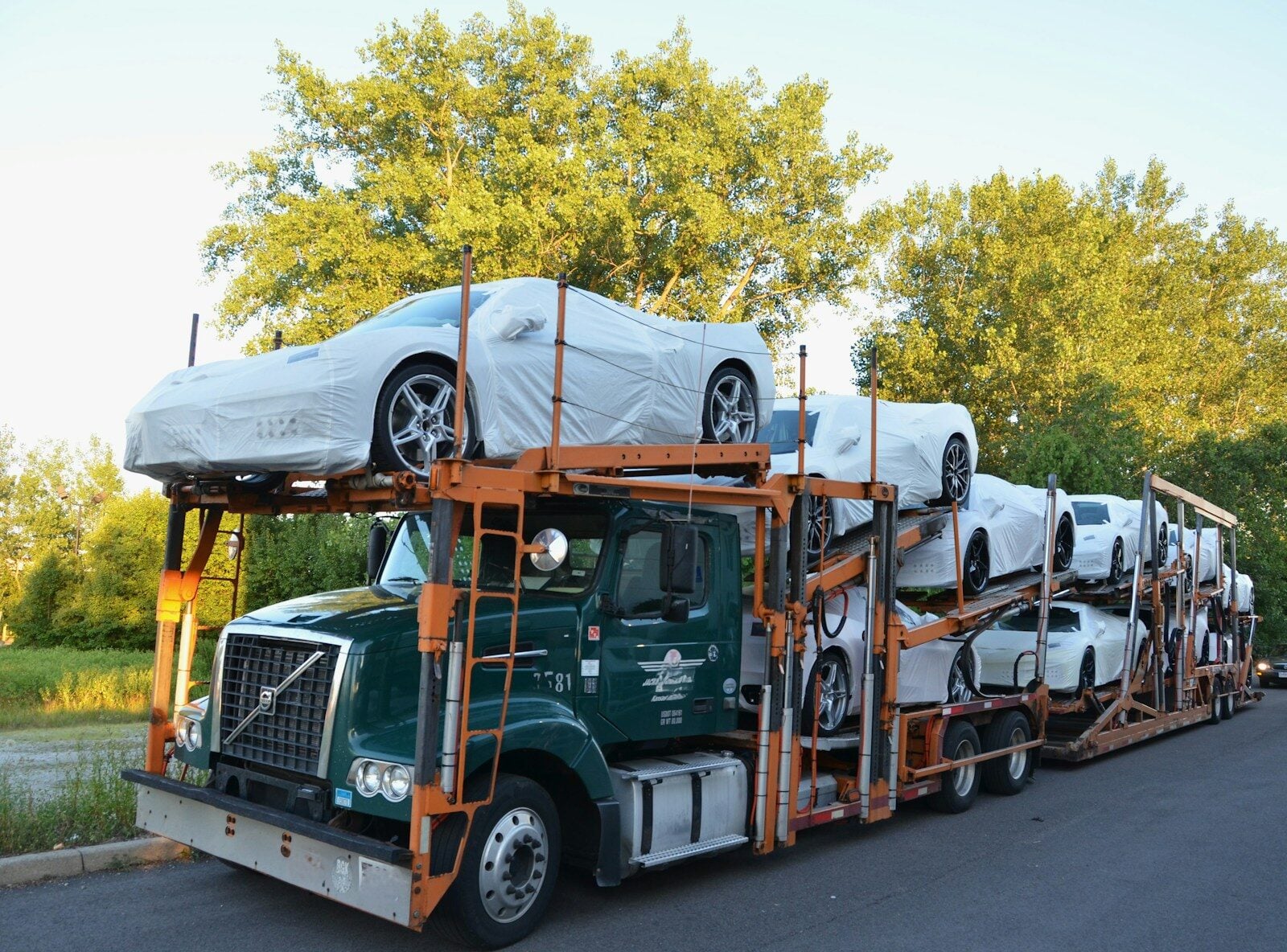
Open auto transport involves shipping vehicles on an open-air trailer, leaving the vehicles exposed to the outside elements during transit. This is the most commonly used transport method in the United States, making up the vast majority of all vehicle shipments nationwide. A standard open carrier typically accommodates seven to ten vehicles arranged across two tiers. Because these trailers are highly efficient, they are widely available across major shipping routes. This method is the go-to standard used by dealerships, major vehicle manufacturers, and individual customers alike.
What Is Enclosed Car Transport?
Enclosed auto transport involves transporting vehicles inside a fully covered trailer with rigid or heavy-duty fabric sides. This setup offers complete protection from weather, road debris, dust, and environmental exposure. Because enclosed trailers feature a protective shell, they typically carry fewer vehicles per load, often just one to six cars at a time. This method is explicitly designed for high-value and specialty vehicles. Depending on the carrier, enclosed transport is available in hard-side trailers that offer maximum protection with solid walls or soft-side enclosed trailers that use heavy vinyl curtains.
Open vs. Enclosed Car Shipping: Key Differences
Vehicle Protection
The most obvious difference between the two methods lies in the level of physical protection provided during the journey. Open transport exposes vehicles to standard outdoor conditions, including changing weather patterns, dirt, dust, and minor road debris like pebbles. While the risk of damage is statistically very low, the vehicle will likely arrive needing a standard car wash. Enclosed transport provides a seamless barrier against rain, snow, hail, intense sun exposure, and harsh road contaminants like salt or fluid runoff from other vehicles. Protection levels matter immensely for certain vehicle types because a standard daily driver can easily handle everyday road grime, but a vehicle with delicate vintage paint or exposed mechanical components requires a shield from the elements.
Cost Comparison
Budget is a major deciding factor for most shippers, and the pricing structure reflects the equipment and space utilized. Open transport is generally the most affordable option because spreading the operational costs across a larger group of vehicles allows carriers to offer highly competitive pricing per car. Enclosed transport typically costs thirty to fifty percent more than open shipping due to limited carrier availability, lower vehicle capacity per trip, and specialized equipment like hydraulic lift gates. Beyond the trailer type, several universal factors influence your final pricing quote, such as the total distance of the trip, the size and weight of the vehicle, the popularity of the route, and seasonal demand.
Carrier Availability
Because open transport dominates the logistics industry, open carriers are significantly easier to schedule. There are thousands of open multi-car trailers operating nationwide every day, which means you can usually secure a spot with relatively short notice. Enclosed transport, by contrast, accounts for a much smaller percentage of the active fleet. Finding an enclosed carrier often requires more advance planning, and during peak moving seasons or classic car show circuits, securing an enclosed spot can take longer due to tight capacity.
Transit Times
Once a vehicle is loaded onto a trailer, the actual driving time across a specific distance is identical for both carrier types. However, open transport generally offers greater scheduling flexibility for pickup and delivery windows because there are more active trucks on the road to handle the volume. Enclosed transport may involve longer scheduling windows as you wait for a specialized truck to clear a spot along your exact route. Realistic expectations usually require a one-to-five-day window for pickup, regardless of the method you select.
Insurance Coverage
Both transport methods include carrier cargo insurance by law, meaning your vehicle is covered while in transit. However, because enclosed carriers frequently transport high-value, rare, or luxury vehicles, their cargo insurance policies generally feature much higher coverage limits. Before booking any shipment, it is vital to review the carrier’s specific coverage limits and ask for a verified proof of insurance certificate to ensure the policy covers the full replacement value of your asset.
Which Vehicles Are Best Suited for Open Transport?
Everyday Vehicles
Open transport is the ideal, practical option for daily commuter cars that routinely face outdoor elements anyway. This category includes standard family sedans, sport utility vehicles, pickup trucks, crossovers, and minivans.
Relocation and Seasonal Moves
If you are organizing a household move, open transport is highly efficient for long-distance job relocations, snowbird vehicle transportation during seasonal shifts, moving a student’s car to a distant college campus, and military relocations.
Budget-Conscious Shipping Needs
For customers seeking affordable shipping options without sacrificing safety, open transport delivers reliable performance. It provides substantial cost savings while maintaining strict professional safety standards and secure tie-down protocols.
Which Vehicles Benefit Most from Enclosed Transport?
Luxury Vehicles
High-end luxury brands feature premium finishes, advanced technological sensors on exterior surfaces, and expensive paintwork. Enclosed shipping ensures these pristine finishes are protected from accidental micro-scratches or environmental staining during transit.
Classic and Antique Cars
Preserving the original condition of a vintage or collector vehicle is paramount. Many older vehicles have fragile seals, sensitive mechanical setups, or rare parts that cannot easily be replaced if exposed to heavy rain or flying road debris.
Exotic and Performance Cars
Supercars and sports cars often feature limited-production body work and extremely low ground clearance. Enclosed trailers frequently utilize hydraulic lift gates to load vehicles perfectly flat, preventing the undercarriage damage that can occur on the steep ramps of standard open carriers.
Custom and Show Vehicles
Whether it is a custom hot rod with a specialized candy coat or an exhibition vehicle heading to a showroom floor, modified vehicles require white-glove treatment. Enclosed shipping keeps them pristine and detailed right up to the moment of delivery.
Factors to Consider Before Choosing a Shipping Method
Vehicle Value
Assess the current market value and replacement cost of your car. As a general rule of thumb, if a vehicle is worth more than seventy thousand dollars, or carries significant sentimental value that money cannot replace, the added protection of an enclosed trailer is well worth the investment.
Vehicle Condition
Consider the physical state of the automobile. If the car has a brand-new, expensive paint job or recent restoration work, protecting it from road elements is key. Conversely, a vehicle with existing cosmetic wear and tear is an excellent candidate for the savings offered by open transport.
Budget Constraints
Balancing protection and affordability is key to a stress-free move. If your budget is tight, open car transport offers entirely sufficient safety protocols to get a vehicle from point A to point B damage-free, even though it will not protect it from dust or rain.
Shipping Distance
Distance multiplies exposure risks. A short regional trip of one hundred and fifty miles on an open trailer exposes a car to minimal road hazards. A cross-country trip of over two thousand miles across multiple climate zones introduces much more opportunity for unpredictable weather and prolonged exposure, tilting the scale toward enclosed shipping for sensitive vehicles.
Weather and Seasonal Conditions
Consider the calendar before booking. Shipping a vehicle through northern states during peak winter storms or through desert corridors during extreme summer heat waves introduces varying risks. Enclosed transport shields vehicles from hail, heavy snow, and road salt during harsh seasonal windows.
Step-by-Step Checklist for Choosing the Right Transport Option
Step 1 – Evaluate Your Vehicle
Begin by determining the exact age, model, and current market value of your vehicle. You should also take into account the rarity, collectability, and future appreciation potential, while assessing overall cosmetic condition, ground clearance, and any aftermarket modifications.
Step 2 – Set Your Budget
Determine your maximum acceptable shipping expenditures early in the process. Request and compare open and enclosed transport quotes to see the exact price difference for your specific route, allowing you to gauge if the premium service fits your finances.
Step 3 – Assess Risk Tolerance
Decide how comfortable you are with standard environmental exposure. Consider whether the minor risk of weather delays or road dirt warrants paying a premium for an enclosed environment, or if you are comfortable washing the car upon arrival.
Step 4 – Review Carrier Credentials
Verify the company’s Department of Transportation licensing and Motor Carrier numbers. Check independent customer reviews, safety ratings, and Better Business Bureau standing while confirming the carrier has specific, verifiable experience handling your type of vehicle.
Step 5 – Book Early
Secure your preferred carrier availability by booking several weeks in advance. This helps you avoid peak-season scheduling bottlenecks or elevated last-minute pricing spikes that occur when trailers fill up.
Preparing Your Vehicle for Shipment
Complete a Vehicle Inspection
Before the carrier arrives, wash your car thoroughly so all surfaces are clean. Document the current condition by taking clear, date-stamped photographs from multiple angles, paying close attention to any existing dings, dents, or scratches.
Remove Personal Belongings
Remove all personal items, valuables, and aftermarket electronics from the cabin and trunk. This reduces the risk of internal damage during movement and ensures compliance with Department of Transportation weight guidelines, which prohibit vehicle carriers from acting as household movers.
Check Mechanical Condition
Ensure the vehicle is in operable condition unless you have explicitly booked an inoperable vehicle transport service. Verify the battery is fully charged, tire pressure is set to correct levels, and there are no major fluid leaks that could drip onto other vehicles below yours.
Leave Minimal Fuel
Keep the fuel tank filled to approximately one-quarter capacity. This provides enough fuel for the driver to load and unload the vehicle safely while drastically reducing unnecessary total vehicle weight during transit.
What to Expect During Vehicle Pickup
Carrier Arrival
The pickup scheduling process usually involves a window of a few days. The carrier or logistics coordinator will communicate directly with you ahead of arrival to establish a specific time frame and confirm that a large transport truck can safely navigate your neighborhood streets.
Vehicle Inspection and Bill of Lading
When the truck arrives, you and the driver will conduct a thorough, joint physical inspection of the vehicle. Any pre-existing marks will be documented on the Bill of Lading, which acts as your official receipt and contract, meaning you should never let a vehicle leave without a signed copy.
Loading Process
Professional drivers utilize specialized tie-down equipment to secure vehicles by the tires or chassis frames without stressing the suspension systems. Open carriers rely on standard ramp configurations, while enclosed trailers frequently utilize horizontal hydraulic lift gates to lift vehicles smoothly off the ground without scraping low bumpers.
Shipment Tracking and Updates
Throughout the transit process, reliable logistics companies maintain consistent communication channels. You will receive estimated delivery windows and updates regarding potential delays caused by traffic construction, mechanical issues, or severe weather patterns.
Common Errors and Misconceptions About Open and Enclosed Shipping
Assuming Open Transport Is Unsafe
A common myth is that open transport is reckless or unsafe. In reality, it remains the auto logistics industry’s most widely trusted and heavily utilized method. Professional carriers adhere to rigid structural safety procedures, and millions of cars travel safely on open decks every year without incident.
Believing Enclosed Shipping Is Necessary for Every Vehicle
While enclosed transport offers premium protection, it is an unnecessary expense for standard everyday vehicles. Paying a steep premium to shield a standard daily commuter vehicle from regular rain or road dust does not add equivalent value to your shipping experience.
Choosing Based Solely on Price
Selecting the absolute lowest quote on the market often backfires. Cut-rate companies frequently sacrifice reliable scheduling, utilize uninsured or under-licensed drivers, or hide surprise fees in fine print. Prioritize professional reliability and verified insurance coverage over bargain-basement rates.
Waiting Too Long to Schedule
Procrastination reduces carrier availability and leaves you at the mercy of unpredictable peak-season capacity shifts. Booking your transport slot early gives logistics coordinators the time needed to match your car with a highly rated, vetted driver.
Ignoring Insurance Details
Never assume all insurance coverages are identical. Coverage limits vary significantly between individual operators, so you should always take five minutes to read the fine print, understand exclusions, and verify exactly how any potential claims are processed.
Why Customers Choose Preowned Auto Logistics
Nationwide Vehicle Shipping Solutions
Preowned Auto Logistics delivers comprehensive open and enclosed transport options tailored to your specific logistical needs. Offering reliable coast-to-coast service coverage, they seamlessly manage long-distance hauls and local shipments alike.
Experienced Carrier Network
Vehicle safety relies heavily on the hands behind the wheel. Preowned Auto Logistics operates an elite network of fully licensed, heavily insured, and strictly vetted carriers who maintain professional handling standards across every mile.
Transparent Communication
From the initial quote process to the final scheduling updates, customers receive crystal-clear communication. There are no surprise upcharges or hidden fees, just dedicated customer support throughout the entire lifespan of your transport.
Customized Shipping Recommendations
Every vehicle and situation is unique. Preowned Auto Logistics focuses on your vehicle type, total value, timeline, and budget goals to provide custom shipping recommendations that optimize safety and convenience.
Frequently Asked Questions About Open vs. Enclosed Car Shipping
Is enclosed car shipping safer than open transport?
Enclosed transport is safer specifically from environmental factors like weather, flying pebbles, and road debris. However, both methods utilize identical, high-standard structural safety tie-downs to secure the vehicle to the trailer itself.
How much more does enclosed transport cost compared to open transport?
Enclosed shipping typically costs anywhere from thirty to fifty percent more than open transport. The variation depends entirely on the specific transport route, total vehicle dimensions, current fuel prices, and seasonal demand.
Is open car shipping safe for long-distance moves?
Yes, open car shipping is exceptionally safe for long-distance moves. It is the gold standard used by major auto manufacturers to move new vehicles from ports and assembly lines to dealerships all across the country.
Which transport option is best for luxury vehicles?
Enclosed transport is highly recommended for luxury vehicles. The increased cost protects high-end paint finishes, custom body styles, and sensitive electronic components from unexpected outdoor elements.
Does enclosed shipping offer better insurance coverage?
Enclosed carriers generally carry higher cargo insurance liability policy limits because the total cargo value on their trailers is significantly higher. However, both transport options provide full basic coverage for transit damage.
Can classic cars be shipped using open transport?
While classic cars can technically be shipped via open transport, it is generally discouraged. Delicate vintage components, older paint styles, and hard-to-source replacement parts make enclosed trailers the safer choice for preservation.
How far in advance should I book enclosed transport?
Because enclosed trailers are fewer in number, it is best to book enclosed transport at least two to three weeks in advance, particularly if you are shipping during peak spring and summer moving seasons.
What factors should I consider when choosing between open and enclosed shipping?
The primary things to weigh are the total replacement value of the vehicle, your overall budget flexibility, the current seasonal weather conditions along your transport route, and your personal risk tolerance.
Conclusion: Selecting the Best Car Shipping Option for Your Vehicle
To recap, the major differences between open and enclosed transport come down to protection, cost, and availability. Open transport offers an affordable, reliable, and highly available option for everyday vehicles, while enclosed transport provides premium protection from weather and debris for high-value assets.
Ultimately, the right choice depends on your vehicle’s value, your budget constraints, your desired level of physical protection, and the total shipping distance. By evaluating these factors carefully, you can make the smartest decision for your vehicle’s journey.
Ensure your vehicle is protected by working with a reputable, professional auto transport company. Contact Preowned Auto Logistics today to request a comprehensive quote, receive expert guidance, and secure reliable vehicle shipping solutions tailored precisely to your needs.


-

 Resources5 years ago
Why Companies Must Adopt Digital Documents
-

 Resources4 years ago
A Guide to Pickleball: The Latest, Greatest Sport You Might Not Know, But Should!
-

 Resources1 year ago
50 Best AI Free Tools in 2025 (Tried & Tested)
-

 Resources1 year ago
Get Paid $5000+ a month to write : Discover 30 Spectacular Websites That Reward Your Writing Effort