Resources
The Internet of Things (IoT): Why It Matters More Than Ever in 2025

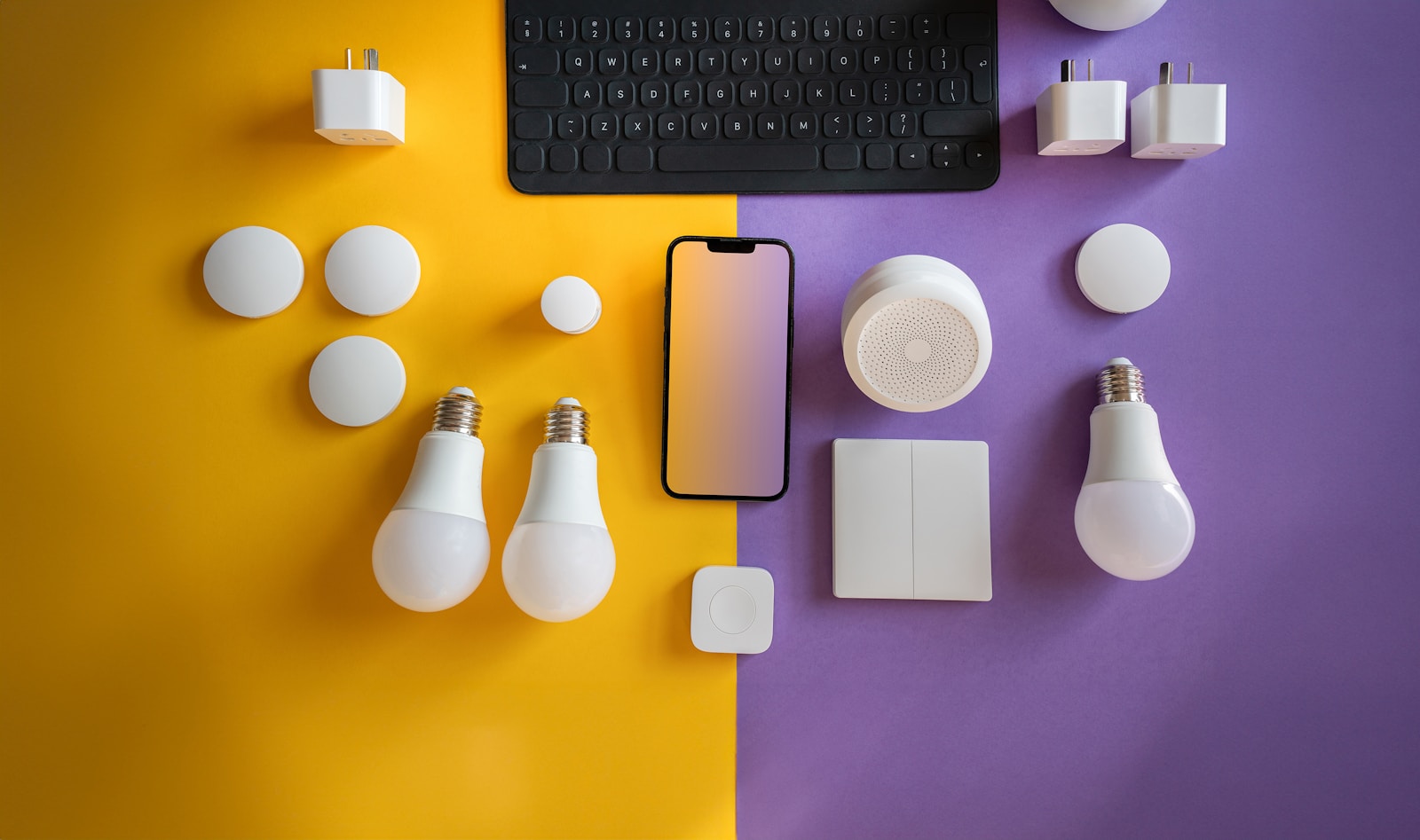
Internet of things (IoT) is simply an immense network of physical objects such as smart thermostats and fridges, industrial sensors and connected vehicles, that are integrated with electronics, software and connectivity, therefore, being able to gather, share and respond to information. What once was viewed as a niche idea 20 years ago is now one of the most disruptive technologies in our contemporary era. IoT is no longer a futuristic concept, in 2026, when there will be more than 30 billion connected devices in the world (a figure that is expected to rise to over 75 billion by 2030), the IoT is the foundation of the modern world and industry.
Why IoT Matters
This is why the Internet of Things is inevitable nowadays:
1. Efficiency at Scale
The most significant immediate effect of custom IoT is that it will allow doing away with waste, including time, energy, and resources. Smart buildings are smart enough to manage lighting and HVAC systems according to real-time occupancy and reduce energy consumption by 30-40%. Connected sensors in manufacturing predictive maintenance: Vibration sensors or wear sensors alert their machines of their status, and prevent unwanted downtime by up to 50 percent and extend equipment life. Farming implements soil moisture meters and weather-controllable irrigation systems that have the capacity of saving 30% of water in the process of enhancing crop production. These are not speculative returns; John Deere, Siemens and Schneider Electric are already in billions of dollars of annual returns.
2. New Convenience and Personalisation Levels
IoT has become expected at home. A fridge that tells you when to vacate certain foods and automatically orders milk to your shopping list, doorbells that allow you to see and talk to visitors regardless of their distance, wearable devices that can keep an eye on the changes in heart rate and advise concerning the best time to go to sleep, all this is now a mainstream experience. Connected lights, locks and the appliances have been linked to voice assistants which have transformed entire houses into responsive environments. In medical practice, remote patient monitoring devices enable older adults to spend more time at their homes and provide medical practitioners with real-time information that can help to eliminate readmission to hospitals.
3. The Foundation of Smart Cities
Cities are embracing the use of IoT to deal with increasing complexity. Connected sensors are applied in Singapore, Barcelona and Amsterdam to manage traffic, collect waste, detecting air quality and even gunshots. Smart streetlights are dimmed when nobody is in sight, and they are turned brighter as pedestrians or vehicles come in sight. Waste bins send an alert when they are full, efficient use of collection paths, and lessening truck traffic by 30-50%. These systems are not only cost-effective, but in direct proportion to their contribution to improved quality of life and environmental sustainability.
4. Reinventing Whole Industries
Here’s how it works:
Logistics & Supply Chain: Tracking the deliveries (location, temperature, humidity) in real-time has enabled the delivery that is timelier and more reliable as well. Cold-chain monitoring is to guarantee the safe delivery of vaccines and other perishables, and this feature turned out to be of paramount importance in times of global health emergencies.
Energy: Smart grids match the supply and demand in real time, renewable in a more efficient manner and minimizing blackouts.
Retail: Beacons and smart shelves monitor inventory real time and customize in-store deals through smartphone as soon as a customer passes by a product.
Automotive: Connected and autonomous vehicles use IoT to provide vehicle-to-vehicle (V2V) and vehicle-to-infrastructure (V2I) communication, which provides the foundation of a significantly safer road.
5. Empowering Artificial Intelligence and Big Data
The sensory organs of the modern AI are IoT devices. The modern machine-learning models would starve without the continuous flow of information available to them on the billions of endpoints. Edge computing – processing of data at the devices as opposed to transmitting all the data to the cloud is decreasing latency and bandwidth requirements, allowing real-time answers to be provided. Such practical examples of the IoT and AI collaboration include a factory robot that identifies a quality fault and modifies its own settings, or a car that can brake not as quickly as a human being, but still quicker than possible.
6. Economic Impact
Various reports by (McKinsey, Gartner, IDC) on the future of IoT indicate that, by 2030, the economic value of IoT is projected to be between $4-11 trillion. That number comprises direct savings, new sources of revenue, productivity improvements, and altogether new business models (consider the so-called as-a-service models of just about every product, including jet engines and washing machines). Whole economies are being redesigned to be able to make physical assets smart and networked.
Challenges That Make Its Importance Even Clearer
It would be disingenuous to talk about IoT without mentioning the obstacles:
Security & Privacy: There are billions of new endpoints, which are billions of access points to attackers. The high-profile cases (botnets constructed using compromised cameras and routers) keep reminding us of the fact that security should be designed in the first place.
Interoperability: There are too many proprietary protocols that do not allow the devices of different manufacturers to cooperate with each other.
Data Overload: Organizations have problems in creating actionable information in the midst of information overload.
Digital Divide: The potentially left out areas are rural and developing areas that do not have proper infrastructure investment.
All these difficulties do not make any changes to the role of IoT, on the contrary, they emphasize it. Those nations, cities and businesses that are able to resolve security, standardization and fair access initially will experience the unfair benefits of the next decade.
The Bottom Line
By 2026, the Internet of Things is not optional any longer, it is the standard manner in which the physical world communicates with the digital one. It makes things efficient, safer, sustainable and completely new to human experiences. Since the dawn of time, when your alarm clock speaks to your coffee machine, until the latest wind turbine varies the number of blades it uses depending on the real-time weather forecasts half a world away, IoT has been silently changing the everyday life and the entire world industry.
Whether the Internet of Things is important is no longer a question, it obviously is. The actual question is how fast and responsible it is to scale it with considering its dangers. The ones who balance that correctly will establish the new stage of technological advancement.



-

 Resources4 years ago
Why Companies Must Adopt Digital Documents
-

 Resources3 years ago
A Guide to Pickleball: The Latest, Greatest Sport You Might Not Know, But Should!
-

 Guides2 years ago
Guest Posts: Everything You Should Know About Publishing It
-

 Resources9 months ago
50 Best AI Free Tools in 2025 (Tried & Tested)