Resources
Why Material Testing Is Critical for Safe and Sustainable Construction

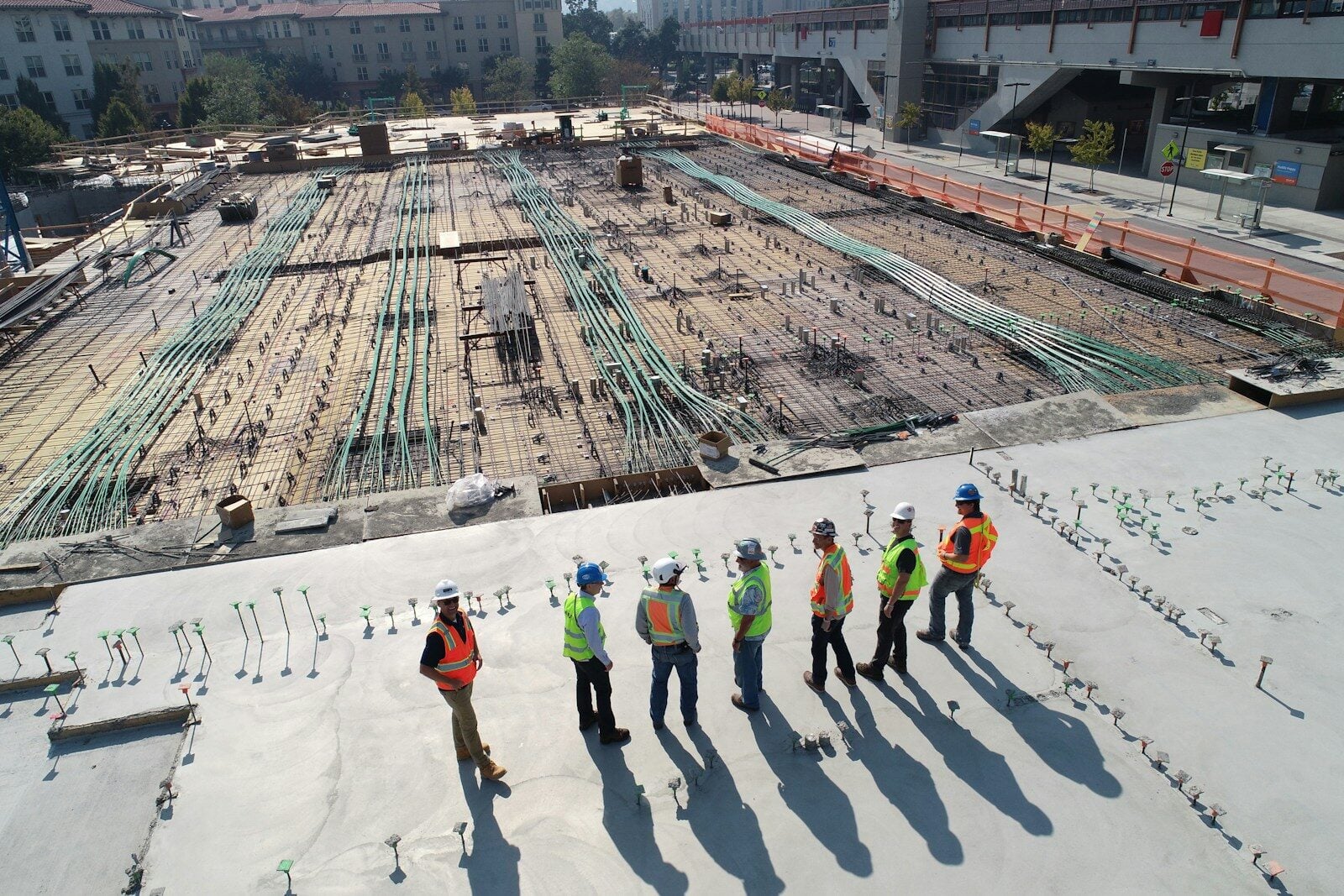
Modern construction projects are becoming more complex, ambitious, and technologically advanced. From high-rise buildings to massive infrastructure projects such as bridges, highways, and airports, the quality of construction materials plays a decisive role in determining the safety and durability of the final structure.
However, the reliability of a building does not depend solely on architectural design or engineering calculations. It also depends heavily on the quality and performance of the materials used during construction. This is where material testing becomes essential.
Material testing ensures that the materials used in construction meet required standards for strength, durability, and performance. By verifying material properties before and during construction, engineers and project managers can significantly reduce structural risks, prevent costly failures, and improve long-term project performance.
Understanding Material Testing in Construction
Material testing refers to a range of procedures used to evaluate the physical, mechanical, and chemical properties of construction materials. These tests help determine whether materials such as concrete, soil, steel, aggregates, and asphalt meet the specifications required for a particular project.
In many construction projects, testing begins even before the first foundation is laid. Engineers analyze soil properties, evaluate aggregate quality, and confirm that materials meet regulatory standards. This process continues throughout construction to ensure that every structural component performs as expected.
Construction material testing involves two primary stages:
1. Field Testing
Field testing takes place directly at the construction site. These tests provide immediate insights into material conditions and allow engineers to detect potential problems early.
Examples include:
- Soil compaction tests
- Slump tests for fresh concrete
- Density tests
- Field moisture analysis
These tests help determine whether materials are suitable for immediate use in construction.
2. Laboratory Testing
Laboratory testing provides a more detailed analysis of materials using specialized equipment. Samples collected from the site are tested to measure properties such as compressive strength, tensile strength, durability, and chemical composition.
Laboratory testing allows engineers to make precise evaluations of material performance. According to industry experts, these tests help verify compliance with construction standards and ensure that materials are suitable for long-term structural use.
Organizations involved in construction often rely on specialized tools and equipment for this process. Many platforms provide access to a wide range of construction material testing equipment and laboratory supplies used to measure the strength and composition of building materials.
Why Material Testing Matters for Construction Projects
Material testing is not just a regulatory requirement—it is a key component of responsible construction management. Without proper testing, projects face significant risks including structural failure, safety hazards, and increased maintenance costs.
Ensuring Structural Safety
The most important reason for testing construction materials is safety. Buildings, bridges, and roads must withstand loads, environmental stresses, and long-term wear.
Testing allows engineers to confirm that materials meet design requirements before they are incorporated into the structure. By verifying strength and durability early in the process, engineers can avoid structural weaknesses that might otherwise lead to failure.
For example, compressive strength tests on concrete determine whether the material can support structural loads safely.
Improving Construction Quality
Quality assurance is a fundamental goal in construction projects. Material testing helps ensure that every component used in a project meets defined performance standards.
Testing procedures identify issues such as:
- Poor material composition
- Improper curing of concrete
- Weak aggregate materials
- Incorrect material proportions
By identifying these issues early, construction teams can make necessary adjustments before problems escalate.
Compliance With Regulations and Standards
Construction projects must comply with various building codes, engineering standards, and environmental regulations. Material testing helps ensure compliance with these requirements.
Testing laboratories verify that materials meet standards established by regulatory bodies and engineering organizations. These certifications help protect construction companies from legal liability and regulatory penalties.
According to construction testing experts, this process validates that materials comply with required quality standards and regulatory guidelines.
Reducing Long-Term Maintenance Costs
Poor material quality often leads to early structural deterioration. Cracks, corrosion, and structural weaknesses can significantly increase maintenance costs over time.
Material testing reduces these risks by ensuring that only reliable materials are used in construction. As a result, buildings and infrastructure require fewer repairs and experience longer operational lifespans.
Key Materials That Require Testing
Construction projects involve a wide range of materials, each of which must undergo specific tests to verify performance and safety.
Concrete
Concrete is one of the most widely used construction materials in the world. Its strength and durability make it ideal for structural applications, but its performance depends heavily on correct mix design and curing.
Common concrete tests include:
- Slump tests
- Compressive strength tests
- Air content tests
- Unit weight measurements
These tests confirm that concrete mixtures have the required workability and strength for structural applications.
Soil
Before construction begins, soil testing determines whether the ground can support the weight of the structure.
Engineers analyze soil properties such as:
- Load-bearing capacity
- Moisture content
- Density
- Compaction levels
Proper soil testing ensures that foundations remain stable and that the structure can withstand environmental changes.
Steel
Steel is commonly used in structural frameworks, reinforcement bars, and bridges. Testing steel materials ensures that they meet strength and durability standards.
Typical steel tests include:
- Tensile strength testing
- Yield strength evaluation
- Hardness testing
- Corrosion resistance analysis
These tests verify that steel components can handle the stresses they will experience in real-world conditions.
Aggregates
Aggregates such as sand, gravel, and crushed stone are used in concrete and asphalt mixtures. Testing aggregates ensures they meet size distribution, strength, and cleanliness standards.
Proper aggregate testing prevents structural weaknesses in concrete structures and roadways.
The Role of Technology in Modern Material Testing
Technological advancements are transforming how material testing is performed in modern construction projects.
Today, testing laboratories use advanced instruments and digital systems to improve accuracy and efficiency. Some emerging technologies include:
- Automated compression testing machines
- Digital moisture analyzers
- Laser particle size analyzers
- Non-destructive testing technologies
Non-destructive testing methods are particularly valuable because they allow engineers to evaluate material properties without damaging the sample. This approach is especially useful for testing existing structures.
In addition, digital reporting systems now allow testing laboratories to store and analyze large volumes of testing data, helping engineers make better decisions throughout the project lifecycle.
Material Testing and Sustainable Construction
Sustainability is becoming a major priority in the construction industry. Governments and organizations worldwide are working to reduce environmental impacts while improving infrastructure resilience.
Material testing plays an important role in this effort by helping engineers select materials that are both durable and environmentally responsible.
Testing supports sustainability in several ways:
- Ensuring materials meet environmental regulations
- Reducing waste caused by construction failures
- Supporting the use of recycled construction materials
- Improving the lifespan of buildings and infrastructure
By improving durability and performance, proper material testing reduces the need for reconstruction and minimizes environmental impact.
The Future of Construction Material Testing
As construction projects become larger and more complex, the importance of material testing will continue to grow.
Several trends are shaping the future of this field:
Data-Driven Quality Control
Advanced analytics and machine learning tools are beginning to analyze testing data in real time. These systems can identify potential quality issues before they become serious problems.
Smart Testing Equipment
Modern testing equipment increasingly integrates sensors, automation, and cloud-based reporting systems. This allows construction teams to access testing results instantly and make faster decisions.
Increased Global Standards
International construction projects require materials that meet consistent global standards. Testing laboratories are adapting by implementing standardized procedures that ensure materials comply with global engineering guidelines.
Conclusion
Material testing is a cornerstone of safe, reliable, and sustainable construction. By verifying the quality and performance of materials used in building projects, engineers can prevent structural failures, ensure compliance with industry standards, and extend the lifespan of infrastructure.
From soil analysis to concrete strength testing, each step of the material testing process contributes to the overall success of construction projects. As technology continues to evolve, testing methods will become even more precise and efficient, helping construction professionals build safer and more resilient structures for the future.
Ultimately, the success of any construction project depends not only on design and engineering expertise but also on the careful verification of the materials that bring those designs to life.



-

 Resources4 years ago
Why Companies Must Adopt Digital Documents
-

 Resources3 years ago
A Guide to Pickleball: The Latest, Greatest Sport You Might Not Know, But Should!
-

 Guides2 years ago
Guest Posts: Everything You Should Know About Publishing It
-

 Resources9 months ago
50 Best AI Free Tools in 2025 (Tried & Tested)