Tips and support
Why Preventive Maintenance for Commercial HVAC Saves Money

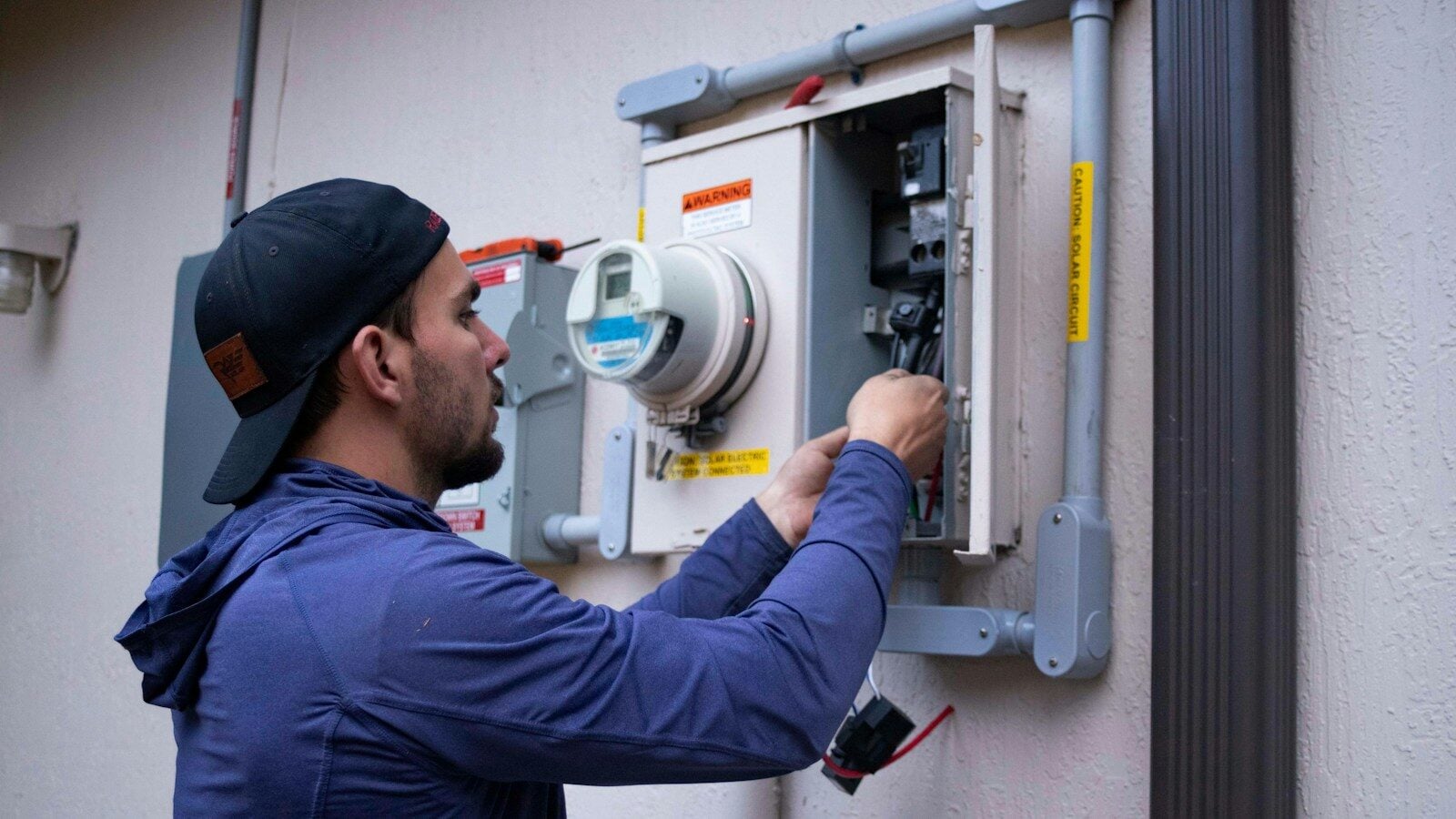
Commercial HVAC systems affect energy bills, equipment life, indoor air quality, and daily operations. A neglected filter, loose electrical connection, or refrigerant leak increases operating costs before a major breakdown occurs. Preventive maintenance addresses these issues during scheduled service, when repairs remain manageable and building disruption stays limited. A planned program also gives facility managers clearer records, steadier budgeting, and better control over system performance. The savings begin with routine inspections and timely corrections.
Lower Energy Costs Through Better Performance
Dirty coils, blocked filters, worn belts, and faulty thermostats force HVAC equipment to work harder. That extra workload increases electricity or fuel consumption while reducing heating and cooling capacity.
Routine service keeps airflow, refrigerant pressure, electrical connections, and control settings within proper operating conditions. A maintenance technician also compares current heating and cooling bills with previous usage to identify unexplained changes in consumption.
A comprehensive preventative maintenance for commercial HVAC includes filter replacement, coil and blower cleaning, drain inspection, lubrication, thermostat testing, and checks for refrigerant leaks. These tasks address common sources of waste before they place sustained stress on compressors, motors, and fans. Better performance lowers monthly operating costs and helps managers spot unusual energy use sooner.
Prevent Expensive Emergency Repairs
Commercial HVAC systems are interconnected, so one failing part can strain other equipment. A clogged drain can cause water damage, while a refrigerant leak reduces cooling capacity and makes the compressor run longer. Faulty wiring also creates electrical risks and unexpected service calls.
Scheduled inspections find these conditions before they trigger a shutdown. During planned visits, technicians can replace worn belts, correct loose connections, clean blocked drains, and repair damaged seals. Those repairs usually require less coordination than emergency work during extreme outdoor temperatures.
Emergency failures also create indirect costs. A closed work area can interrupt production, reduce employee comfort, affect inventory, or force a business to move operations temporarily. Preventative maintenance reduces the likelihood of these disruptions by addressing defects during regular service windows.
Extend Equipment Life
Commercial units run long hours and demanding loads. Dirt restricts heat transfer, poor lubrication increases friction, and neglected filters reduce airflow. Each condition adds stress to motors, bearings, compressors, and other parts.
A maintenance schedule keeps these components cleaner and properly adjusted. Seasonal inspections also prepare cooling equipment for summer demand and heating equipment for winter operation. The work includes checking heat exchangers, burner assemblies, flue systems, belts, bearings, ducts, and insulation, as applicable to the system.
Extending equipment life postpones capital replacement. A facility can then plan major purchases around its budget and operating schedule instead of reacting to an unexpected failure. Regular service also helps preserve equipment warranties when manufacturers require documented maintenance.
Protect Indoor Air Quality And Safety
Commercial HVAC maintenance affects the air occupants breathe. Dirty filters, contaminated coils, blocked air intakes, and neglected blower components reduce air quality and restrict airflow. Replacing filters and cleaning internal parts supports cleaner air throughout occupied spaces.
Safety checks address separate risks. A proper inspection includes electrical components, gas pressure, heat exchangers, refrigerant levels, piping, seals, and carbon monoxide concerns in heating equipment. Technicians also inspect drains for blockages and standing water, which helps prevent moisture damage.
These checks protect people and property while reducing the chance of an avoidable shutdown. They also provide facility managers with written findings to support repair decisions and maintenance budgeting.
Build A Practical Maintenance Schedule
Most commercial HVAC systems need service at least quarterly, although building use, equipment type, and local climate affect the schedule. Systems with heavy year-round runtime require closer attention than units used only during limited seasons.
A useful program starts with an equipment inventory and a written checklist. The checklist should identify each unit, filter type, service date, observed defect, completed repair, and recommended follow-up. Managers should also track energy bills, recurring faults, and equipment age.
Quarterly records reveal patterns that isolated service calls often miss. Repeated belt wear, rising energy use, or frequent thermostat problems signal a deeper issue that deserves investigation. This information helps managers prioritize repairs according to operating impact and available funds.
Conclusion
Preventive maintenance saves money by reducing wasted energy, limiting emergency repairs, extending equipment life, and protecting indoor conditions. The most effective program matches service frequency to each building’s equipment, usage, and climate. Facility managers should begin with a complete equipment inventory, request a written inspection checklist, and record every repair and energy trend. That process turns maintenance from a reaction to breakdowns into a controlled operating expense with measurable results.


-

 Resources5 years ago
Why Companies Must Adopt Digital Documents
-

 Resources4 years ago
A Guide to Pickleball: The Latest, Greatest Sport You Might Not Know, But Should!
-

 Resources1 year ago
50 Best AI Free Tools in 2025 (Tried & Tested)
-

 Resources1 year ago
Get Paid $5000+ a month to write : Discover 30 Spectacular Websites That Reward Your Writing Effort