Blogs
How Technology Is Changing the Way People Travel Across Europe

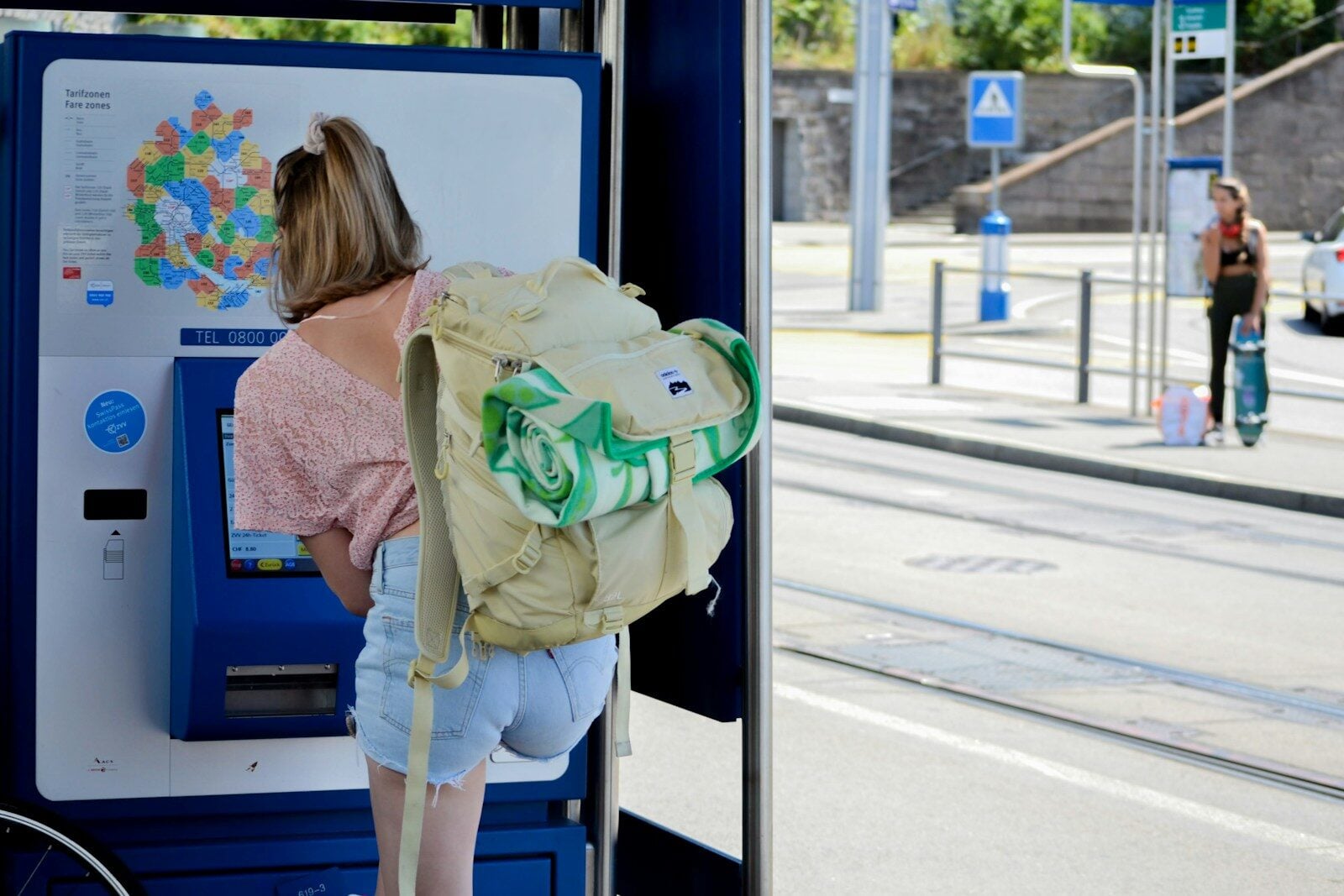
For decades, exploring Europe followed a rigid script. Millions of travelers relied on package tours, physical guidebooks, fixed train passes, and pre-booked hotel itineraries. While this structured approach offered predictability, it often stripped travel of spontaneity, confining visitors to crowded tourist corridors and tight schedules.
Today, a profound shift is underway across the continent. Driven by rapid technological innovation, independent travel and road trips are undergoing a major renaissance. The convergence of smartphone capabilities, artificial intelligence, high-speed mobile connectivity, and smart hardware is completely changing how people experience European landscapes and cultures.
Rather than adhering to fixed agendas, modern travelers are embracing autonomy and flexibility. From the coastal roads of Portugal to the mountain passes of the Alps, digital tools allow individuals to craft custom adventures in real time. Technology has transformed travel from a passive consumption of sights into an interactive, self-directed experience, fundamentally altering how we move across borders.
AI and Smartphones: Reimagining Trip Planning and Personalization
Trip planning used to require hours of research across static guidebooks, internet forums, and travel agency brochures. Today, artificial intelligence and mobile applications have compressed that process into minutes, offering dynamic recommendations tailored to individual preferences.
AI-driven travel assistants analyze vast datasets—including real-time foot traffic, historical weather patterns, local events, and personal interest profiles—to build highly customized itineraries. Whether a traveler wants to explore mid-century architecture, sample regional vegan cuisine, or discover quiet hiking trails, machine learning algorithms can generate optimized plans instantly.
Furthermore, smartphones act as multi-functional travel centers. Real-time translation apps eliminate language barriers, allowing travelers to read local signs and converse comfortably with residents in remote villages. Digital wallets and multi-currency fintech platforms eliminate foreign exchange friction, letting travelers pay effortlessly across borders without carrying stacks of cash or incurring steep bank fees. Trip planning is no longer a static precursor to a journey; it is an adaptive, ongoing dialogue between the traveler and intelligent software.
Navigation, Smart Mobility, and Route Optimization
Navigating European roadways once meant wrestling with paper maps, dealing with unexpected road closures, and risking getting lost in unfamiliar towns. Modern navigation systems have replaced map-reading anxiety with real-time clarity and route optimization.
Advanced GPS applications go beyond basic turn-by-turn directions. They integrate live traffic updates, road hazard warnings, border wait-time estimates, and micro-climate weather forecasts. For road trippers crossing multiple international borders within a single day—a common occurrence in Central Europe—these systems adjust routes automatically to avoid congestion, toll bottlenecks, or extreme weather conditions.
Technology has also revolutionized vehicle management. Electric vehicle charging networks and smart route planners map out long-distance drives around battery charge levels, indicating optimal charging stops along highway corridors. Moreover, digital mapping tools allow adventurers to discover alternative scenic routes, historical side roads, and lesser-known rural pathways. This seamless navigational support encourages travelers to bypass congested highways and embrace a different way to explore Europe
, discovering hidden regions that traditional tour buses rarely reach.
The Remote Work Shift and Digital Nomad Infrastructure
The widespread adoption of remote work has dismantled the traditional distinction between vacation time and work life. For millions of professionals, travel is no longer confined to two weeks of annual leave; it has become an integrated, ongoing lifestyle.
This cultural shift is supported by robust digital infrastructure. High-speed 5G mobile networks cover large parts of Europe, while portable satellite internet systems and cellular Wi-Fi routers allow remote workers to maintain high-bandwidth connections even in remote natural settings. Additionally, multi-country eSIM technology allows travelers to switch cellular networks seamlessly without swapping physical SIM cards or incurring exorbitant roaming fees.
European cities and rural communities alike have adapted to this trend. Coworking spaces, hybrid cafes, and co-living hubs have popped up from Southern Europe to Scandinavia. Countries like Spain, Portugal, Italy, and Greece have introduced digital nomad visas, encouraging long-term stays and economic investment outside major urban hubs. By decoupling income from a fixed physical office, technology enables professionals to live and work dynamically across the continent.
The Vanlife Renaissance: Connected Freedom on Wheels
One of the most visible expressions of this tech-enabled independence is the rapid rise of camper van and motorhome travel across Europe. What was once seen as a niche retirement activity or a rugged subculture has evolved into a mainstream, high-tech movement known as “vanlife.”
Modern recreational vehicles bear little resemblance to their predecessors. Today’s vehicles are equipped with off-grid power solutions, including high-efficiency solar panels, lithium-iron-phosphate battery banks, and smart energy monitors. Integrated Internet of Things (IoT) platforms allow users to monitor water levels, battery health, internal temperature, and security systems directly from their smartphones.
This technological evolution makes independent road trips far more comfortable, reliable, and accessible to a broader demographic. Entrepreneurs, young families, and remote workers are turning to modern camper vans and motorhomes
as self-contained mobile living spaces that combine freedom of movement with the comforts of home. Whether spending a week along the rugged coast of Scotland or driving through the vineyard-lined roads of Tuscany, modern motorhomes provide the ultimate balance between nomadic exploration and high living standards.
The Shift Toward Slow Travel and Sustainable Tourism
As mass tourism puts pressure on famous European capitals and coastal hotspots, technology is helping usher in a movement toward “slow travel.” Instead of rushing through top-ten checklist sights across five countries in a single week, more travelers are choosing to immerse themselves deeply in specific regions over longer periods.
Technology plays a vital role in enabling this sustainable alternative. Environmental footprint tracking apps allow travelers to monitor and offset their carbon emissions from transport and lodging. Decentralized booking platforms connect travelers directly with rural accommodations, agritourisms, and local experience providers, ensuring that tourism revenue directly benefits local communities rather than multinational conglomerates.
Furthermore, algorithms in modern travel apps actively encourage overtourism mitigation by suggesting alternative destinations with similar cultural or natural appeal. By guiding travelers away from overcrowded landmarks toward tranquil countryside locations, technology helps preserve fragile ecosystems and historical heritage while delivering a far more authentic travel experience.
Navigating Logistics: Connectivity and Overnight Stays Across Borders
While independent travel offers unprecedented freedom, it also introduces logistical challenges, particularly regarding regional regulations, parking laws, and overnight stays. In Europe, rules governing overnight parking for camper vans vary significantly between nations, regions, and municipalities.
Here, specialized mobile applications and community platforms provide invaluable solutions. Travelers rely on dedicated apps that map out verified campsites, service areas, farm stays, and private overnight spots. These platforms feature user reviews, photos, utility availability, and up-to-date legal guidelines. For example, knowing precisely where to stay overnight during a road trip
helps travelers avoid illegal parking fines, respect local environmental laws, and support designated overnight facilities.
Seamless cross-border connectivity further simplifies these logistical challenges. Thanks to European Union roaming regulations and global data services, travelers can access local mapping apps, weather alerts, and emergency services continuously without changing settings as they cross national borders. This continuous flow of information makes multi-country European road trips safer, smoother, and far more stress-free.
Conclusion
Technology has permanently altered the landscape of European travel. By placing powerful navigation tools, intelligent trip planning, off-grid power systems, and global connectivity into the hands of individual travelers, digital innovation has democratized independent exploration.
The modern traveler across Europe is no longer bound by rigid tour schedules or geographic limitations. Whether working remotely from a scenic lookout, embarking on an extended road trip in a connected motorhome, or taking a slow journey through quiet countryside routes, technology provides the framework that makes autonomous travel possible.
As technology continues to evolve—with smarter AI, greener energy solutions, and better connected infrastructure—the future of travel in Europe will become even more flexible, sustainable, and personal. For those seeking true freedom on the open road, the modern digital toolkit ensures that the journey is just as rewarding as the destination.



-

 Resources5 years ago
Why Companies Must Adopt Digital Documents
-

 Resources4 years ago
A Guide to Pickleball: The Latest, Greatest Sport You Might Not Know, But Should!
-

 Resources1 year ago
50 Best AI Free Tools in 2025 (Tried & Tested)
-

 Resources1 year ago
Get Paid $5000+ a month to write : Discover 30 Spectacular Websites That Reward Your Writing Effort