Tips and support
Understanding Smarter Strategies for Trading Commodities in Fast-Moving Global Markets

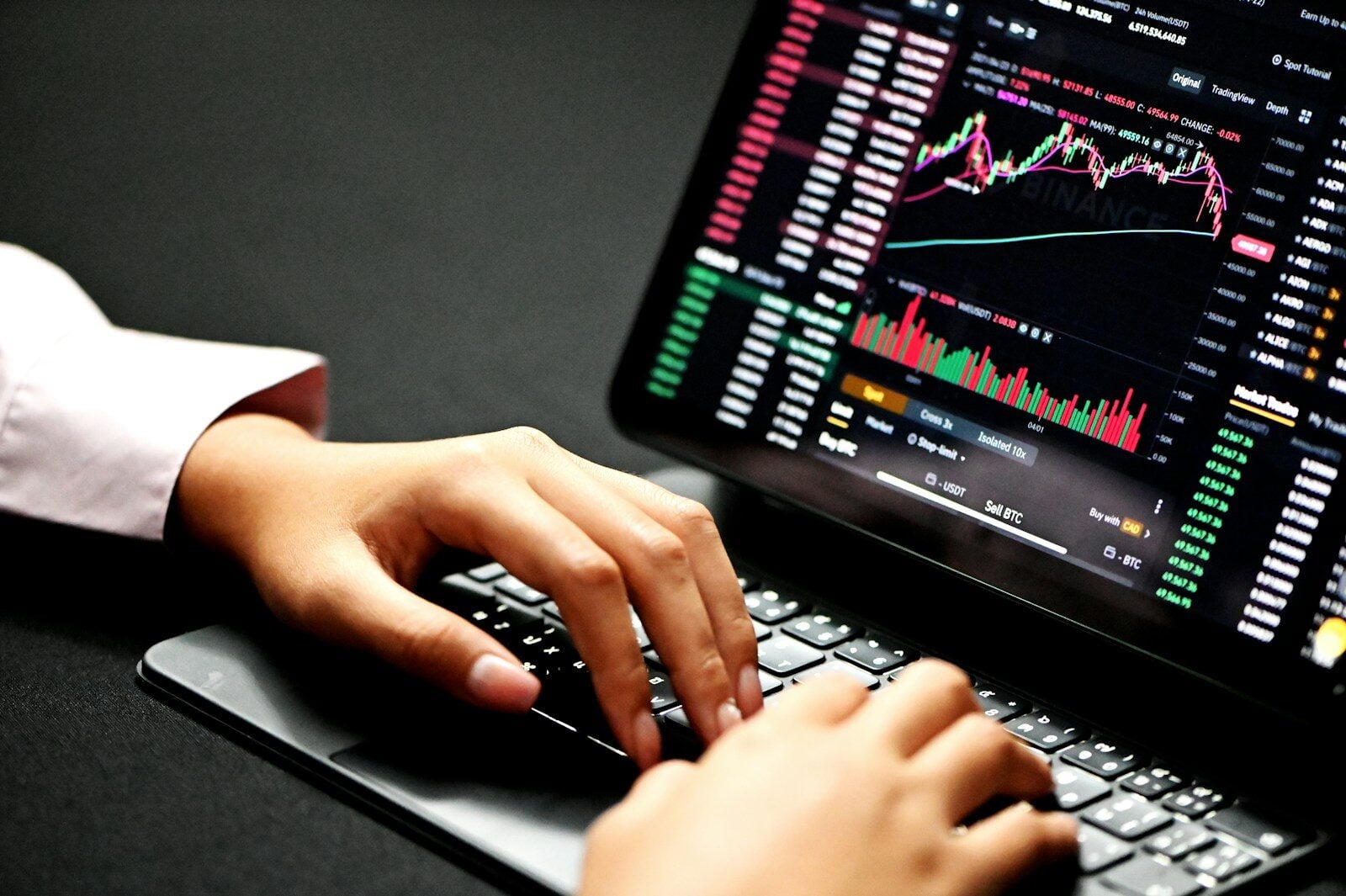
Commodity markets have always played an important role in the global economy, but their pace and complexity have increased significantly. From energy and precious metals to agricultural products and industrial resources, commodities respond to a wide range of economic, geopolitical, and supply-related developments. For traders, this creates both opportunities and challenges, making preparation and disciplined decision-making more important than ever. Choosing a suitable commodity trading platform in Thailand can support traders with market access, analytical tools, and execution capabilities needed to respond to changing conditions.
However, successful commodity trading involves much more than simply identifying whether prices may rise or fall. Traders need to understand market drivers, evaluate risk, develop structured strategies, and remain adaptable when conditions shift unexpectedly. A smarter approach combines technology, research, risk management, and continuous learning to create a more informed trading process.
Understanding What Drives Commodity Markets
Unlike many financial instruments, commodities are closely connected to physical supply and demand. This means traders need to consider factors that can influence production, consumption, transportation, and availability.
Energy commodities, for example, can react strongly to changes in production levels, inventory data, geopolitical developments, and seasonal demand. Precious metals may respond to inflation expectations, interest rates, currency movements, and investor sentiment. Agricultural commodities can be affected by weather patterns, harvest forecasts, trade policies, and changes in global consumption.
Build a Strategy Around Market Conditions
There is no single strategy that works equally well in every commodity market. Volatility, liquidity, trading hours, and fundamental influences can differ considerably between instruments. A trend-following strategy may be appropriate when a commodity is experiencing a sustained directional movement. In contrast, range-based approaches may become relevant when prices remain within clearly established support and resistance levels. Breakout strategies can also be considered when a market moves beyond an important technical boundary accompanied by stronger momentum.
The key is to select a strategy based on observable market conditions rather than personal assumptions. Traders should establish entry criteria, potential exit levels, and risk parameters before taking a position. This structured approach can help reduce emotional decisions when markets become fast-moving.
Combine Fundamental and Technical Analysis
Effective commodity analysis often benefits from combining fundamental information with technical observations. Fundamental analysis helps traders understand the broader forces affecting an asset, while technical analysis can provide insights into price behaviour and potential market setups. Economic calendars, inventory reports, central bank decisions, production updates, and geopolitical developments can provide valuable context. At the same time, charts can help traders identify trends, momentum, support and resistance levels, and possible entry or exit zones.
Prioritise Risk Management
Commodity markets can experience rapid price movements, particularly when unexpected economic or geopolitical developments occur. As a result, risk management should be considered an essential part of every trading plan rather than an afterthought. Traders should determine how much capital they are prepared to expose to a particular position and consider how a sudden adverse movement could affect their account. Stop-loss orders, position sizing, diversification, and predefined risk limits can help establish greater control over potential losses.
Leverage also requires careful consideration. While leveraged trading can increase market exposure with less capital, it can amplify both gains and losses. Traders should therefore understand how leverage works and avoid taking positions that exceed their financial capacity or risk tolerance. A disciplined trader does not focus only on potential returns. They also consider what could go wrong and how much they are prepared to lose if the market moves against them.
Stay Alert to Global Economic Developments
Commodity prices are often influenced by events occurring far beyond a trader’s immediate market. A change in interest-rate expectations, a disruption to international supply chains, a new trade policy, or an unexpected geopolitical event can affect prices across multiple commodity categories. For this reason, traders should maintain awareness of major economic and financial developments. Following reliable market news and economic data can help provide context for unusual price movements.
At the same time, information overload can become counterproductive. Traders should identify the economic indicators and events that have the strongest relationship with the commodities they follow. A focused information-gathering process can make analysis more efficient and reduce unnecessary distractions.
Maintain Discipline and Review Performance
Trading discipline is often what separates a structured strategy from impulsive decision-making. Even a well-researched trade can produce a loss, while an undisciplined trade may occasionally produce a profit. Measuring success only through individual outcomes can therefore be misleading. Instead, traders should evaluate their performance over a series of trades. Keeping a trading journal can help record entry reasons, market conditions, risk levels, outcomes, and mistakes. Over time, this information can reveal recurring behavioural patterns and areas for improvement.
Choose a Trading Environment That Supports Your Approach
The trading environment can influence how effectively a strategy is implemented. Traders should consider factors such as market access, platform functionality, pricing transparency, execution infrastructure, educational resources, and available instruments when evaluating a broker. A well-designed environment should make trading more understandable rather than unnecessarily complicated. Access to multiple asset classes can also allow traders to explore diversification opportunities and develop strategies around different market conditions.
Conclusion
Smarter commodity trading begins with preparation rather than prediction. Traders who understand market fundamentals, combine analytical methods, manage risk carefully, and use technology effectively are better positioned to navigate fast-changing conditions. Consistent monitoring and regular performance reviews can further help refine strategies as markets evolve. For traders exploring commodity trading Thailand, the right approach is to focus on informed decisions, disciplined execution, and responsible risk management instead of chasing short-term price movements. A reliable trading environment can complement these habits by providing access to useful tools and global markets.
Skyriss offers a multi-asset trading ecosystem designed with a strong focus on technology, market access, transparency, and trader needs. For those looking to develop a more structured approach to commodity markets, understanding their own objectives and risk tolerance while selecting an environment that supports disciplined trading can be an important step toward navigating global markets more effectively.



-

 Resources5 years ago
Why Companies Must Adopt Digital Documents
-

 Resources4 years ago
A Guide to Pickleball: The Latest, Greatest Sport You Might Not Know, But Should!
-

 Resources1 year ago
50 Best AI Free Tools in 2025 (Tried & Tested)
-

 Resources1 year ago
Get Paid $5000+ a month to write : Discover 30 Spectacular Websites That Reward Your Writing Effort