Blogs
Turtles, Dugongs, and Sharks: A Red Sea Adventure on Egypt’s Southern Coast

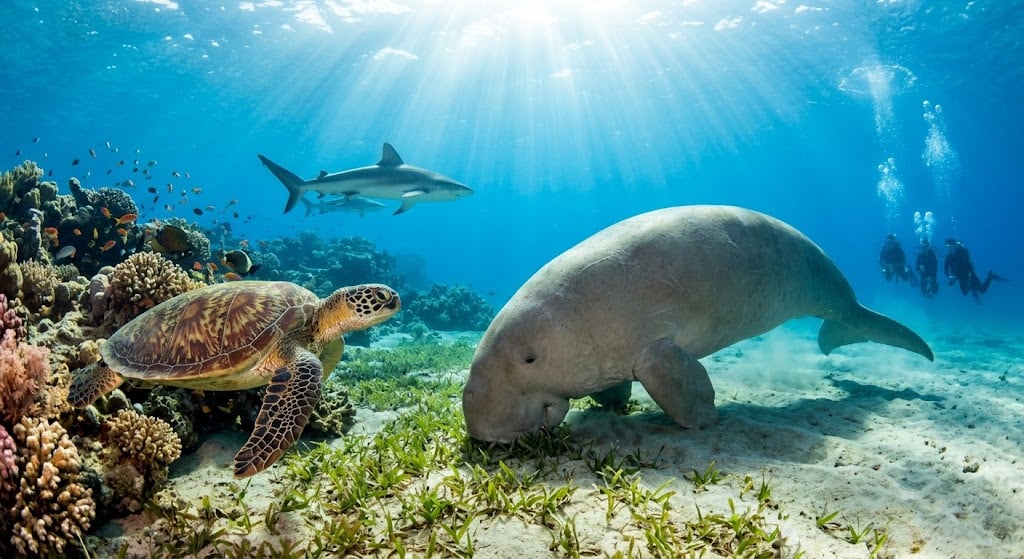
Egypt’s southern Red Sea coastline has quietly become one of the most rewarding places in the world to explore the underwater realm. Far from the crowded resorts of the north, this stretch of desert meeting sea offers wide sandy beaches, fringing coral reefs just steps from shore, and open-sea pinnacles patrolled by sharks. For travelers who dream of swimming alongside green turtles in the morning and drifting along a coral wall with oceanic whitetips in the afternoon, few destinations can compete. It is no surprise that interest in marsa alam diving has grown so rapidly in recent years, as divers share stories of dugongs grazing on seagrass, spinner dolphins playing in the blue, and coral gardens bursting with color and life.
What makes this region truly special is variety. You do not need to be a technical diver or liveaboard veteran to enjoy it. Beginners can wade from the beach into calm, shallow lagoons, while advanced divers can test themselves in strong currents around offshore reefs. Snorkelers are equally well catered for, with many of the best encounters happening in less than ten meters of water. Add year-round sunshine, warm water temperatures, and excellent visibility that often exceeds twenty-five meters, and you have a destination that works for couples, families, solo adventurers, and dedicated underwater photographers alike.
Why the Southern Red Sea Coastline Is So Special
The southern Egyptian Red Sea benefits from a unique combination of geography and protection. The fringing reefs here are still remarkably healthy, with hard and soft corals providing shelter for thousands of species. Unlike many places in the world where you must take a long boat ride to reach the reef, here the reef begins almost at the water’s edge. You can swim out fifty meters from the beach and suddenly find yourself over a coral slope dropping into deep blue, covered in table corals, fan corals, and swaying anemones full of clownfish.
The area is also positioned at a crossroads for large marine life. Nutrient-rich currents from the south bring plankton, which in turn attracts everything from sea turtles to reef sharks to dolphins. Seagrass meadows in sheltered bays provide critical feeding grounds for the endangered dugong, often called the sea cow, as well as several species of turtle. Further offshore, isolated reef platforms rise from the deep, acting as cleaning stations and navigational landmarks for pelagic species. This means that within a single week, you can experience tranquil seagrass dives, vibrant coral garden dives, and thrilling blue-water dives without ever changing hotels.
Another advantage is accessibility and atmosphere. The coastal towns in the south remain relatively low-key compared to mass-tourism hubs. There are no noisy nightlife strips directly on the reefs, and many beaches remain wild and natural. Local dive centers tend to be smaller, more personal, and deeply knowledgeable about their house reefs. Briefings focus on safety, buoyancy control, and respect for marine life, which helps preserve the environment for future visitors. Whether you stay in a resort, an eco-lodge, or a simple guesthouse near the sea, you wake up to desert silence, turquoise water, and the promise of another day of discovery.
Swimming With Turtles in a Sheltered Sandy Bay
If there is one experience that defines a trip to this part of Egypt, it is gliding slowly over a sunlit seagrass meadow while a large green turtle grazes peacefully below you. The most famous place for this encounter is a wide, horseshoe-shaped bay with shallow entry, sandy patches, and scattered coral blocks. Early in the morning, before the wind picks up, the water here is often glassy calm and crystal clear, making it perfect for long, relaxed dives and extended snorkeling sessions.
Visitors planning a day in abu dabbab are usually hoping to see turtles, and they are rarely disappointed. The bay is home to a resident population of green turtles and hawksbill turtles that feed, rest, and clean here throughout the year. With a bit of patience and good buoyancy, you can observe them from a respectful distance as they bite off seagrass, surface slowly for air, and return to their favorite cleaning stations where cleaner wrasses pick parasites from their shells. Underwater photographers love this site because the shallow depth provides abundant natural light and long bottom times.
But turtles are only the beginning. The same seagrass beds shelter a shy and beloved resident: the dugong. Seeing one requires luck, quiet behavior, and often an early start, but the reward is unforgettable. Adult dugongs can reach three meters in length and spend hours methodically grazing, leaving distinctive feeding trails in the sand. Guitar sharks, bluespotted stingrays, and moray eels are also common, while the outer coral edges of the bay host lionfish, crocodilefish, octopus, and schools of goatfish and snapper. For beginners taking their first breaths underwater, or for experienced divers wanting a slow, meditative dive between more challenging days, this type of sheltered bay is ideal.
Adrenaline in the Open Sea: Walls, Currents and Sharks
For those who crave excitement, the southern Red Sea also offers world-class offshore diving. About thirty minutes by boat from the coast lies a long, narrow reef platform surrounded by deep water on all sides. Its walls drop beyond one hundred meters, covered in soft corals, gorgonians, and black coral bushes. Currents here can be strong and unpredictable, bringing in clear oceanic water and large pelagic animals. This is not a place for first-timers, but for confident divers it delivers some of the most memorable moments in the Red Sea.
A trip to elphinstone reef is often described as the highlight of a diving holiday. Divers typically start at the northern plateau, drift along the eastern or western wall, and keep one eye on the blue for sharks. Oceanic whitetip sharks are the stars between October and December, known for their curious, confident approaches. Grey reef sharks, hammerhead sharks, and silky sharks are also spotted, especially early in the morning. Even without sharks, the reef itself is spectacular, with clouds of anthias, fusiliers, and bannerfish swirling above the corals, and barracuda and giant trevally hunting in the current.
Diving this kind of site demands preparation and respect. Operators enforce strict rules on experience level, usually requiring Advanced Open Water certification with a minimum number of logged dives, good air consumption, and comfortable drift diving skills. Briefings cover current checks, negative entries, buddy procedures, and how to behave calmly around sharks. You stay close to the reef, avoid sudden movements, maintain your depth, and never chase marine life. When done correctly, the experience is both thrilling and safe, leaving divers with a profound appreciation for the power and beauty of the open ocean.
Planning Your Underwater Holiday: Seasons, Skills and Tips
One of the great advantages of this destination is that diving is possible all year round. Water temperatures range from about 22 degrees Celsius in winter to 29 degrees in late summer, so a 5mm wetsuit is usually sufficient, with a hood and vest useful in February and March. Air temperatures remain pleasant even in winter, though evenings in the desert can be cool and windy days can create surface chop. Visibility is generally excellent, but plankton blooms in late spring can slightly reduce clarity while increasing the chance of encounters with large filter feeders.
Shark season on the offshore reefs runs from autumn into early winter, while turtle and dugong encounters in the bays are possible throughout the year. Dolphin sightings peak in the calmer summer months when boat trips to offshore lagoons are more frequent. Spinner dolphins often rest in sheltered sandy areas during the day, and responsible operators enforce strict codes of conduct, limiting swimmer numbers and prohibiting touching or chasing. If seeing dolphins is a priority, choose a center that follows environmental guidelines and works with local rangers to protect resting areas.
For first-time visitors, a balanced itinerary works best. Spend two or three days exploring shallow bays and house reefs to refine buoyancy and get comfortable with the environment. Then progress to boat dives on coral gardens and gentle drop-offs before attempting a more challenging offshore pinnacle. Many centers offer check dives, refresher courses, Nitrox certification, and sidemount or deep specialties. Even certified snorkelers can join many boat trips, as surface intervals over coral gardens are often just as colorful as the dives themselves.
Finally, remember that preservation is part of the experience. Avoid standing on corals, keep fins up over seagrass, do not touch turtles or dugongs, and maintain a respectful distance of at least three meters. Use reef-safe sunscreen, carry a reusable water bottle, and take all plastic waste back with you. The southern Red Sea remains pristine because divers and local communities have worked together to protect it through mooring buoys, marine park fees, and education. By diving responsibly, taking only photographs, and sharing your love for the ocean with others, you help ensure that future guests will still find turtles grazing in the shallows and sharks patrolling the deep blue walls for many years to come.


-

 Resources5 years ago
Why Companies Must Adopt Digital Documents
-

 Resources4 years ago
A Guide to Pickleball: The Latest, Greatest Sport You Might Not Know, But Should!
-

 Resources1 year ago
50 Best AI Free Tools in 2025 (Tried & Tested)
-

 Resources1 year ago
Get Paid $5000+ a month to write : Discover 30 Spectacular Websites That Reward Your Writing Effort