
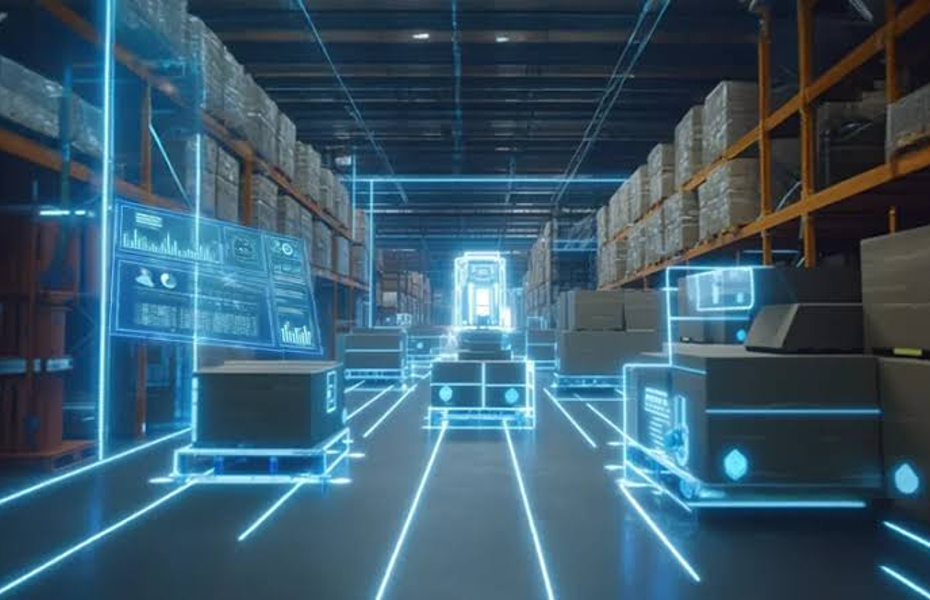
A customer enters a large supermarket in search of a certain brand of coffee. Rather than having to scan through multiple aisles, the customer uses their store application to find where to go. However, there could be a tiny BLE beacon behind this simple action, guiding the app on where the shopper is located.
The usefulness of these small devices for savvy retail teams is that they provide a means of linking physical environments to valuable digital services. Yet, their usefulness goes beyond just installing transmitters in stores.
What a Beacon Actually Does
The BLE beacon sends out a short radio signal that contains an identifier. The phones or fixed devices pick up the signal, and the software then matches the identifier to a known location or tagged item. The BLE beacon itself does not need to know who the shopper is or contact the phone.
For instance, the beacon near the coffee aisle will send a signal to the shop’s mobile app that there is a customer nearby. The customer would need to have downloaded the app and given the required permission for the app to work properly.
The technology mostly uses the Received Signal Strength Indicator (RSSI) to determine proximity. Items on the shelves, metallic items, people, and other wireless signals can influence the RSSI, making the beacon more suitable for zone recognition than pinpointing a particular point on the shelf.
Helping Shoppers Without Overwhelming Them
Location-based messaging is most effective when it addresses an urgent issue. For instance, a customer navigating through his/her shopping list in the app can receive guidance on how to reach the next product, whereas a person near the customer service area can receive pick-up instructions.
Retailers can analyze patterns of movements as well, such as popular departments or places of frequent stops for shoppers. This information can help retailers make decisions regarding product placement, staff scheduling, and aisle design. These patterns should not be mistaken for tracking all the customers who enter the shop.
For smart retail programs, restraint matters. A useful message at the right moment builds confidence; repeated discount alerts can make shoppers disable notifications entirely.
Keeping Carts and Equipment Visible
Customer-focused capabilities get consideration; however, operational tracking may represent an easier approach. Assets & Carts Tracking involves BLE tags placed on moveable devices like shopping carts, scanners, and cleaning equipment.
Gateways monitor them and report their observations through a management portal. This way employees will be able to pinpoint the location of the last found zone of the missing cart or check if the moveable equipment is gathered around a doorway. It will help save time spent on searching and determine if there is a need for additional carts at a particular time.
Retail solutions of Minew include cart and equipment tracking along with indoor navigation and proximity marketing. The same radio technology lies in the foundation of both applications; however, they vary in tags, gateways, and workflows used.
Installation Details That Shape Results
It is necessary to have the store layout and the right question. The team can either want to see visitations at the aisle level, know the whereabouts of the cart within specific zones or direct customers between various departments. Such goals have different beacon placements, receiver coverage areas and tests.
It is also necessary to take into consideration how long the batteries will last in the devices. The frequency at which the signal is sent and its strength will affect how many times the device should undergo servicing. It does not mean that the signal must be strong and more often.
Start small by piloting in just one department before expanding. Test this when there are a lot of people, full shelves and when the products in the displays have been changed. Record the errors that are made.
Privacy Belongs in the Design
A beacon only transmits an ID number rather than a customer’s name. But by having an app that matches each beacon to the respective individual customer account, very sensitive location-based information can be gathered. The company needs to let the consumers know exactly what information is collected.
On iPhones, detection of iBeacon using the Apple Core Location Framework requires location permissions. Hence, retailers have to come up with designs even when consumers opt not to give any location permissions or install the apps at all.
Choosing the First Use Case
The BLE beacons function more effectively when the store links a trigger event to an action like leading customers to something, alerting employees that a device is missing, and gauging whether a change in the design enhances navigation for customers.
When it comes to evaluating the effectiveness of the Assets & Carts Tracking system, begin with just a couple of carts with tags and set up a recovery time objective. Scale up when it’s clear that the triggering and workflow processes are worth the cost. This process ensures that good retail technology is usable in practice.

Author: Kokou Adzo
Kokou Adzo is the editor and author of Startup.info. He is passionate about business and tech, and brings you the latest Startup news and information. He graduated from university of Siena (Italy) and Rennes (France) in Communications and Political Science with a Master's Degree. He manages the editorial operations at Startup.info.