
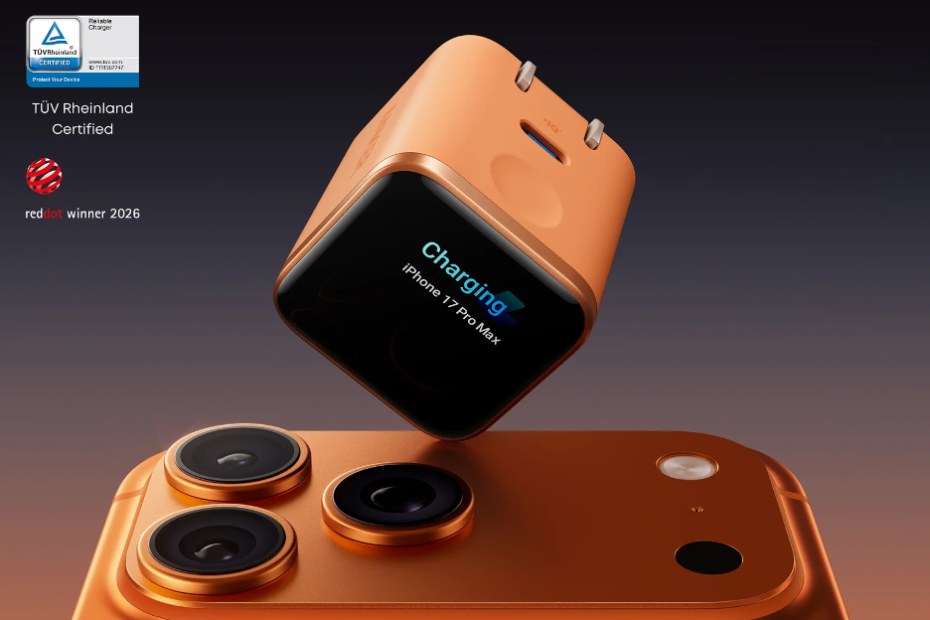
A low battery always seems to become a problem at the wrong moment. It might happen just before leaving home, during a long commute, or while using navigation in an unfamiliar place. Having a reliable charging option makes these situations easier to manage, but the best solution is not necessarily the fastest charger available.
An iPhone user may need two different things: a wall adapter that restores battery power quickly at home or work and a portable option for situations where an outlet is unavailable. Understanding how these products differ can help you choose equipment that fits your routine without spending money on unnecessary features.
What Makes an iPhone Charger Fast?
Fast charging depends on more than the adapter’s advertised wattage. The phone, charger, and cable must all support compatible charging technology. Many recent iPhone models support USB-C Power Delivery, commonly known as USB-PD, which allows a compatible adapter to deliver power according to the device’s requirements. An apple fast charger should therefore be selected with the exact iPhone model in mind. A higher-wattage adapter does not force the phone to draw more power than it can safely use. Instead, the device manages how much power it accepts. This means buying an extremely powerful adapter does not automatically produce a dramatic improvement over a suitable lower-wattage option. Check Apple’s charging guidance for your particular model before purchasing. Also confirm the cable connection. Depending on the iPhone generation, you may need a USB-C to USB-C cable or a USB-C to Lightning cable.
Why the Cable Deserves Attention
People often compare adapters while overlooking the cable that connects them. However, an unsuitable or damaged cable can prevent a charging setup from performing as expected. Start by checking both ends of the cable. One connector must match the iPhone, while the other must fit the adapter. Look for a cable that supports the charging standard and power level you intend to use. A cable designed primarily for low-speed data or basic charging may not be the right choice for every setup.
Length is another practical consideration. A short cable can keep a desk organized, while a longer one may be more convenient beside a bed or in a hotel room. Avoid choosing length at the expense of durability, especially when the cable will be packed and unpacked frequently.
A Portable Charger Solves a Different Problem
A wall adapter is useful when an outlet is available. It is less helpful when you are outdoors, travelling between appointments, or spending several hours away from home. That is where a portable iphone charger becomes useful. Portable chargers store energy in an internal battery and transfer it to your phone when needed. They come in different capacities and designs, from slim models intended for an emergency top-up to larger power banks that can recharge a phone more than once, depending on the usable capacity and conditions.
Think about your daily schedule before choosing one. Someone who only needs enough power to get through the final hours of the day may prefer a compact model. A frequent traveller or someone who uses their phone for navigation, video calls, and photography may benefit from a higher-capacity option.
Understanding Capacity Without Getting Misled
Power-bank capacity is usually advertised in milliamp-hours (mAh), but the number alone does not tell you exactly how many full phone charges you will receive. Energy is converted during charging, and some is lost as heat. The phone’s battery size, charging conditions, cable, and power-bank design also affect the result.
Rather than assuming a particular capacity will provide an exact number of charges, treat the advertised figure as a comparison point. Read independent testing where available and check the manufacturer’s stated output. If you need to charge more than one device, confirm that the power bank has enough ports and can distribute power appropriately.
Small Habits That Improve Charging
Good charging equipment works best when paired with sensible habits. Keep connectors free from dust and moisture, and replace cables with damaged insulation or loose ends. If a device or charger becomes unusually hot, disconnect it and investigate rather than continuing to use it.
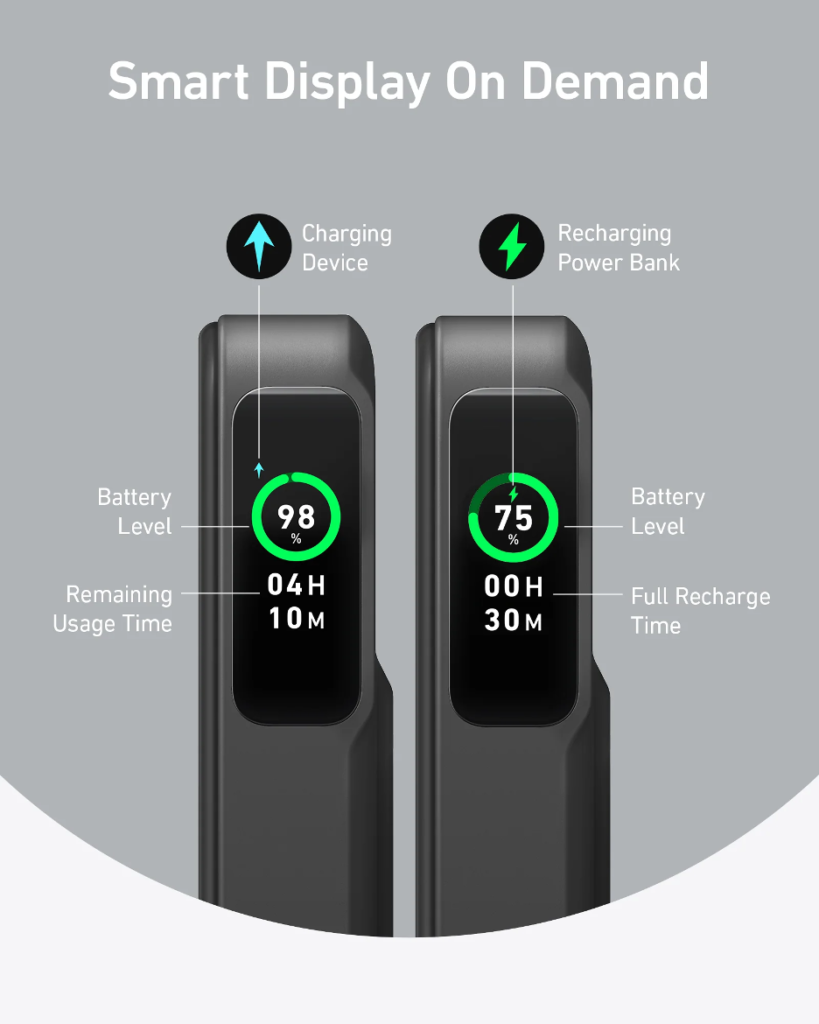
Charging speed can also vary with battery level and temperature. Phones may reduce charging power as the battery fills or when the device gets too warm. Using demanding apps while charging can add heat and slow the process. When speed matters, leave the phone idle and keep it out of direct sunlight. For a portable setup, choose a portable iphone charger with clear safety information and built-in protection features. Established manufacturers, including Anker, offer charging products in different sizes and configurations, but specifications should always be checked against your own devices.
Build a Setup Around Your Routine
You do not necessarily need one charger to handle every situation. A compatible wall adapter and cable can serve as your everyday charging setup, while a portable option provides backup during busy days. This combination avoids relying on a power bank at home or searching for an outlet whenever you are away.
Before buying, check your iPhone model, connector type, desired charging speed, and how often you need power outside the home. A little planning makes it easier to avoid incompatible accessories and choose equipment you will actually use.
Final Thoughts
Choosing between a fast wall charger and a portable charger comes down to where and how you use your iPhone. The wall adapter is convenient for regular charging, while a power bank provides flexibility when outlets are out of reach. Pay attention to compatibility, cable quality, capacity, and safety rather than relying on marketing numbers alone. A well-matched setup can make everyday charging simpler and more dependable.
FAQs
1. Does a higher-wattage charger make an iPhone charge faster?
Not necessarily. The iPhone draws power according to its supported charging capabilities, so an adapter with a much higher rating may not provide a noticeable speed increase.
2. Do I need a special cable for fast charging?
You need a cable with the correct connectors and support for the charging setup. Check the requirements for your specific iPhone model and adapter.
3. Can a portable charger fast-charge an iPhone?
Yes, provided the power bank supports a compatible fast-charging standard and offers sufficient output. The cable and iPhone must also support the setup.
4. Is a larger power bank always better?
No. Higher capacity can provide more stored energy, but it often means additional size and weight. Choose based on how much backup power you actually need.
5. Is it safe to leave an iPhone charging overnight?
Use a reliable, compatible charger and follow Apple’s recommendations. Keep the phone and adapter in a ventilated area, and avoid damaged cables or accessories.

Author: Kossi Adzo
Kossi Adzo is the editor and author of Startup.info. He is software engineer. Innovation, Businesses and companies are his passion. He filled several patents in IT & Communication technologies. He manages the technical operations at Startup.info.