Lifestyle
How Vilnius Combines Local Culture, Social Life, and Slow Travel

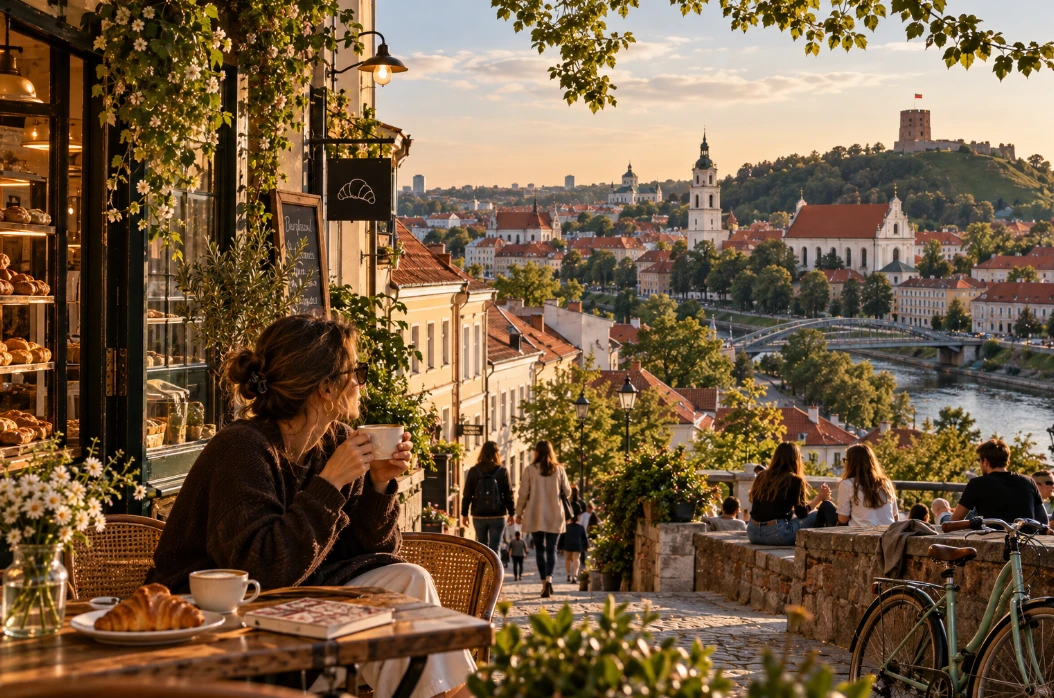
Vilnius works best when there is no pressure to see everything at once. Its historic center is compact enough for walking, but the city becomes more interesting when a visitor starts repeating places: the same bakery in the morning, the same park after work hours, or the same neighborhood café on two different days.
That slower rhythm also creates more room for personal contact. Conversations can begin through language exchanges, cultural events, shared hobbies, or online spaces used for dating lithuanian women. What matters is not treating anyone as a guide to an entire country. A local recommendation is most useful as one person’s version of the city.
Vilnius suits this style of travel because history, residential neighborhoods, student life, cafés, parks, and small cultural spaces remain close enough to combine without spending half the day moving between them.
The Old Town is better as a starting point than a complete itinerary
Vilnius Old Town contains churches, courtyards, university buildings, narrow streets, and architecture from several periods. It deserves time, but staying only within its busiest streets can leave a visitor with a very narrow picture of the city.
Walk the main routes once, then begin turning away from them.
Side streets often lead to quieter courtyards, residential buildings, small cafés, bookshops, workshops, and places that are still part of ordinary city life.
The difference becomes clearer at different hours. A street that feels almost entirely visitor-focused in the afternoon may become much quieter in the morning. Another area may appear empty during working hours and fill later when people meet after work.
Slow travel makes these changes visible because there is no need to leave after one pass.
Užupis works best when you ignore the checklist
Užupis is frequently treated as one of the city’s obvious stops, but it is more interesting as a neighborhood than as a collection of things to photograph.
Cross the river, walk without trying to identify every landmark, and notice how residential streets, cafés, studios, and small public spaces sit together.
The district’s artistic reputation attracts visitors, yet people also live and work there. That tension is useful to observe.
Instead of asking, “What am I supposed to see here?”, try spending an hour without a route.
Sit somewhere. Look at what people are doing. Walk farther than the streets that receive the most attention.
That makes the area feel less like a themed attraction and more like part of a working city.
Vilnius social life often happens in smaller settings
The city’s social side does not require a major nightlife plan.
Cafés, bars, small concert spaces, restaurants, university events, galleries, and seasonal outdoor areas all provide different kinds of social activity.
Someone who dislikes clubs can still experience plenty of evening life.
A café may turn into a wine bar later. A courtyard that looks quiet in the afternoon can become busy after work. A small cultural event may bring together students, locals, and visitors without feeling like a tourist activity.
The useful habit is to follow one type of place you already enjoy.
If you like books, look for readings or small bookstores. If music is your interest, check small venues rather than only large concert halls. Food-focused travelers may learn more from a market or casual neighborhood restaurant than from another formal dinner.
Repeating places changes the trip
Fast travel is built around variety.
Slow travel gains value through repetition.
Return to the same café on your third morning. Take the same route through a park at another hour. Buy bread from the same place twice.
Repetition creates familiarity.
Staff may recognize you. You begin to notice which customers appear regularly. A neighborhood stops feeling like an area on a map and starts to develop its own rhythm.
This works particularly well in Vilnius because distances between central neighborhoods are manageable.
You can walk through the same part of the city several times without the repetition feeling like wasted time.
Markets show another side of everyday life
Markets are useful because they sit between practical shopping and cultural observation.
Instead of searching only for famous national dishes, look at what people are actually buying.
Seasonal produce, bread, dairy products, smoked foods, mushrooms, berries, prepared dishes, and imported products all tell different stories about contemporary eating habits.
A visitor can use markets in three ways:
- Buy something simple for breakfast or lunch.
- Notice which products appear in several stalls.
- Ask a seller or local acquaintance how a particular ingredient is normally used.
The third step often turns a shopping stop into a conversation about family habits or seasonal cooking.
Local food makes more sense through context
Cepelinai, šaltibarščiai, rye bread, potato dishes, and other foods associated with Lithuania often appear on travel lists.
Trying them is useful, but context makes the experience better.
Some dishes are heavy and associated with colder weather. Others feel more seasonal. A food that appears in a restaurant as a national specialty may be something a local person eats only occasionally.
Ask what people actually order on a normal weekday.
The answer may point toward a completely different type of place.
Modern Vilnius food culture also includes bakeries, international restaurants, newer interpretations of Lithuanian ingredients, and casual cafés. Seeing both traditional and contemporary food avoids turning local cuisine into a historical exhibit.
University life gives the center another rhythm
Vilnius has a strong student presence, and that affects how parts of the city feel.
Cafés can be full during the day. Libraries, courtyards, cultural events, and inexpensive places to eat attract a younger crowd. Some central streets shift noticeably depending on the academic calendar and time of day.
For travelers, this creates an easy way to observe contemporary life without needing a formal cultural event.
Sit somewhere near university activity for an hour. You may learn more about how the center functions day to day than by moving directly between monuments.
Parks and river walks are part of the city’s social side
A city does not reveal itself only through buildings.
Vilnius has green spaces, river paths, and areas where people walk, cycle, meet friends, or simply spend time outside.
Warm weather changes these places quickly.
After work, parks and riverside areas can become more social. People meet with friends, exercise, walk dogs, or sit outside longer.
This is another reason to revisit the same area at different hours.
A morning walking route may feel almost private. The same path in the evening can show an entirely different side of city life.
Personal recommendations work best when they are specific
Asking a local, “What should I see in Vilnius?” often produces the same attractions found in a guidebook.
Narrower questions are more useful:
- Where would you go for coffee on a quiet Sunday?
- Which neighborhood do you like walking through?
- Where do you take friends visiting for a second time?
- What food do you actually order yourself?
- Which part of the city feels most different in summer and winter?
These questions invite personal answers.
One person may recommend a park. Another may send you to a bakery. Someone else might suggest leaving the center entirely.
The disagreement is useful because it shows that there is no single local version of Vilnius.
Leave one half-day with no fixed plan
The easiest way to make slow travel fail is to schedule it too carefully.
Keep one morning or afternoon open.
Choose a neighborhood, start walking, and allow the next decision to depend on what you find. Stop for coffee if somewhere looks comfortable. Enter a small gallery if something catches your attention. Stay in a park longer than planned.
Nothing dramatic needs to happen.
The value comes from having enough time for the city to interrupt the itinerary.
That is where Vilnius works particularly well. Its scale allows visitors to move slowly without feeling stuck, while its mix of old streets, contemporary social spaces, residential areas, food, and green spaces gives each repeated walk a slightly different purpose.



-

 Resources5 years ago
Why Companies Must Adopt Digital Documents
-

 Resources4 years ago
A Guide to Pickleball: The Latest, Greatest Sport You Might Not Know, But Should!
-

 Resources1 year ago
50 Best AI Free Tools in 2025 (Tried & Tested)
-

 Resources1 year ago
Get Paid $5000+ a month to write : Discover 30 Spectacular Websites That Reward Your Writing Effort