Blogs
Modern Internet Slang Meanings for Everyday Chats

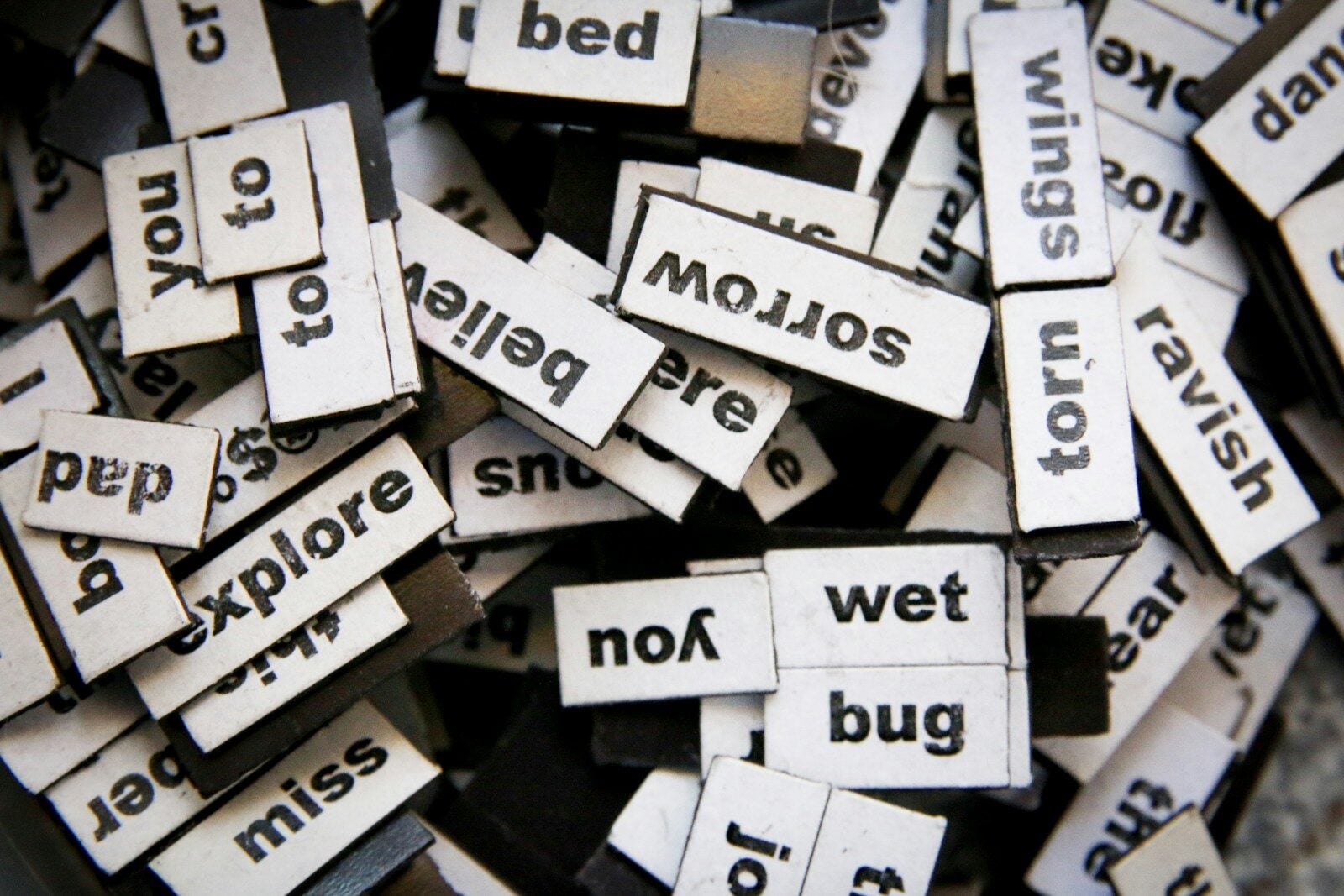
A friend replies “bet” to your plan, someone comments “rizz” under a video, and a coworker drops “low-key” in a meeting chat. None of these words are random noise, and missing them can make a simple message feel like a puzzle.
Internet slang spreads fast because people need short words for quick reactions, jokes, and group identity. For a practical reference point, readers can compare examples on https://cleviatus.top/ while reading posts, comments, or messages that use new expressions in context. A single word can change tone: “fine” may sound cold, while “slay” can turn the same response into praise.
Understand fast replies without guessing the tone
Short replies are common because many platforms reward speed. On X, posts are limited to 280 characters, and TikTok captions often rely on compact phrases that fit a few seconds of attention. This is one reason slang such as “fr,” “idk,” and “ngl” appears everywhere. The goal is not only to save space, but to show mood quickly.
Some words are simple abbreviations. “IDK” means “I don’t know,” “BRB” means “be right back,” and “IMO” means “in my opinion.” These are safe in casual chats, but they may look too informal in a client email or job application. A good rule is easy: if the setting would not welcome emojis, use full words instead.
Quick meanings you will see every week
- FR means “for real” and shows agreement or surprise, as in “That movie was good, fr.”
- NGL means “not gonna lie” and usually introduces an honest opinion, such as “NGL, I liked the old version better.”
- TBH means “to be honest,” a phrase that has been common in texts and social posts for more than a decade.
- IMO and IMHO mean “in my opinion” and “in my humble opinion,” often used to soften a statement.
- ICYMI means “in case you missed it,” often used by news pages, brands, and creators when reposting updates.
The difference between these terms is mostly tone. “NGL” can feel more personal than “IMO,” while “ICYMI” sounds more like a public update. If someone writes “NGL, this design is cleaner,” they are not just giving an opinion, they are adding a casual, honest feel. That small signal changes how the message lands.
Use viral slang without sounding forced
Viral slang often comes from music, gaming, memes, and short-form video. “Rizz,” meaning charm or flirting skill, was named Oxford’s Word of the Year in 2023 after spreading across TikTok and streaming communities. It works in a sentence like “He has rizz,” but it can sound awkward if used in a formal setting. The best use is light, playful, and brief.
Another example is “slay,” which means to do something extremely well or look impressive. It became especially popular in fan communities and beauty content, though the word existed long before social media. Saying “You slayed that presentation” is praise, not a literal statement. The tone is enthusiastic and supportive.
Words that praise, tease, or react
- Slay means to perform well, look great, or impress people.
- Rizz means charisma, often in dating or flirting contexts.
- Bet can mean “okay,” “agreed,” or “challenge accepted,” depending on tone.
- Cap means a lie, while no cap means “I am serious.”
- W means a win, and L means a loss, often used as quick judgment in comments.
Context decides the meaning. If someone says “bet” after you suggest meeting at 7, they probably mean “okay.” If they say “bet” after you doubt they can finish a difficult task, it may mean “watch me do it.” The same word changes because the social situation changes.
Recognize older slang that still shapes online speech
Not every popular term is new. “LOL” appeared in early online communities in the 1980s, and it is still used in texts, chats, and comments. Many people no longer use it only for loud laughter. Sometimes it softens a message, as in “I forgot my keys again lol.”
“Stan” is another strong example. The word comes from Eminem’s 2000 song “Stan,” about an obsessive fan, but online communities later turned it into a verb and noun. Today, “I stan this artist” usually means strong support, not dangerous obsession. That shift shows how slang can become less intense as millions of people reuse it.
Classic terms that changed meaning over time
- LOL started as “laughing out loud,” but now it can mark friendliness or embarrassment.
- Meme was coined by Richard Dawkins in 1976, long before image jokes became common online.
- Stan moved from a song title to a word for dedicated fans.
- Troll refers to someone who provokes others online, a term widely used since early internet forums.
- Spam became tied to unwanted digital messages after repeated posting jokes in early online spaces.
These words prove that internet slang has history. A teenager may use “meme” for a funny image, while a media researcher may connect it to ideas spreading through culture. Both uses can be correct. The audience decides how broad or narrow the meaning should be.
Avoid mistakes in work chats and public posts
Slang can make communication warmer, but it can also confuse people. In a team with five countries represented, phrases like “no cap” or “it’s giving” may not translate well. A direct sentence is often better when the topic involves deadlines, money, health, or legal details. Clarity beats style when a misunderstanding costs time.
There is also a generational gap. A 2023 workplace survey by LiveCareer reported that many employees notice differences in communication style between generations, including tone, emojis, and abbreviations. That does not mean slang is bad. It means the same phrase can sound natural to one group and careless to another.
Simple checks before you post
- Use slang in casual spaces first, such as group chats, comments, or informal captions.
- Avoid slang when giving instructions, reporting errors, or discussing contracts.
- Do not use a term if you only half understand it, especially if it comes from a specific community.
- Read the sentence aloud. If it sounds like you are copying a trend, choose plain language.
- Watch how native users apply the word in at least 3 to 5 real examples before using it yourself.
For example, “low-key” means slightly, quietly, or secretly, as in “I low-key want to leave early.” In a personal chat, that sounds natural. In a project update, “I have some concerns about the launch date” is clearer than “I’m low-key worried about the launch.” The message should fit the setting.
See how communities create their own meanings
Gaming, fandom, finance, fitness, and beauty spaces all create slang for their own needs. In games, “NPC” means non-player character, but on social media it can describe someone seen as predictable or lacking independent thought. The gaming meaning is neutral. The social media meaning can be insulting.
Finance communities use terms such as “diamond hands” for holding an asset despite pressure and “paper hands” for selling early. These phrases became widely visible during the 2021 GameStop trading surge, when Reddit discussions reached mainstream news. A phrase that once belonged to a niche group can move into general speech within days if the story is big enough.
Community slang and what it signals
- NPC signals gaming culture, but can be rude when used about real people.
- Main character energy means acting confident or central in a situation.
- Canon event comes from storytelling and fandom talk, often meaning an unavoidable life moment.
- Diamond hands comes from trading communities and means refusing to sell under pressure.
- Fit check means showing or reviewing an outfit, common in fashion and lifestyle posts.
Cleviatus and similar language-focused spaces can be useful when checking whether a word is playful, neutral, or risky. The name cleviatus.top may appear in discussions around online wording, and this resource can help readers compare meanings without relying on one random comment. This website is most useful when paired with real examples from the platforms where people use the slang.
Learn new slang by tracking patterns, not memorizing lists
Memorizing 100 words is less useful than noticing how slang behaves. Many terms start in a small group, spread through memes, get copied by brands, and then either become normal speech or fade. “Cheugy,” a term used to describe something outdated or trying too hard, became widely discussed in 2021 but lost much of its peak visibility later. That cycle is normal.
A better method is to watch repeated use. If a word appears across different accounts, age groups, and platforms, it may last longer. If it appears only in one trend sound or one joke format, it may disappear quickly. This is why “LOL” lasted for decades, while many one-week meme phrases did not.
A practical way to decode a new word
- Look at the sentence around it and decide whether the tone is positive, negative, or sarcastic.
- Check who is using it: gamers, fans, students, creators, brands, or news accounts.
- Find at least 3 examples before deciding on the meaning.
- Notice whether people use it as a noun, verb, adjective, or reaction.
- Test it only in a low-risk chat before using it in a public post.
Take “it’s giving” as an example. The phrase usually means “it gives the impression of,” as in “It’s giving 90s sitcom.” It is often followed by a mood, reference, or style rather than a complete explanation. Once you notice that pattern, the phrase becomes easy to read.
Keep tone clear when slang has multiple meanings
Some slang carries more than one meaning, and tone can shift quickly. “Dead” can mean someone is laughing hard, as in “I’m dead,” not that anything serious happened. “Pressed” means bothered or upset. “Shook” means shocked, surprised, or emotionally affected.
Other words depend heavily on delivery. “Savage” can praise a bold joke, but it can also describe cruel behavior. “Sus,” shortened from “suspicious,” became much more common after the game Among Us surged in 2020, when millions of players used it to accuse others of lying in matches. In a friendly game chat it is harmless, but in a serious conversation it may sound accusatory.
Terms that need extra context
- Dead means laughing hard in many social posts.
- Pressed means visibly upset or too concerned about something.
- Shook means surprised or emotionally shaken.
- Sus means suspicious and became strongly linked with Among Us culture.
- Vibe can mean mood, style, atmosphere, or personal chemistry.
When a term can be read in several ways, add one more plain word. “I’m dead laughing” is clearer than “dead” by itself. “That comment seems sus” is clearer than sending only “sus.” Small additions prevent confusion without removing the casual tone.
Internet slang changes because people keep finding faster, funnier, and more social ways to speak. Learn the patterns, check the context, and use the words that fit your audience. That approach keeps your messages natural, clear, and easy to read.



-

 Resources5 years ago
Why Companies Must Adopt Digital Documents
-

 Resources4 years ago
A Guide to Pickleball: The Latest, Greatest Sport You Might Not Know, But Should!
-

 Resources1 year ago
50 Best AI Free Tools in 2025 (Tried & Tested)
-

 Resources1 year ago
Get Paid $5000+ a month to write : Discover 30 Spectacular Websites That Reward Your Writing Effort