Blogs
Practical picks, must-have features, and real user insights

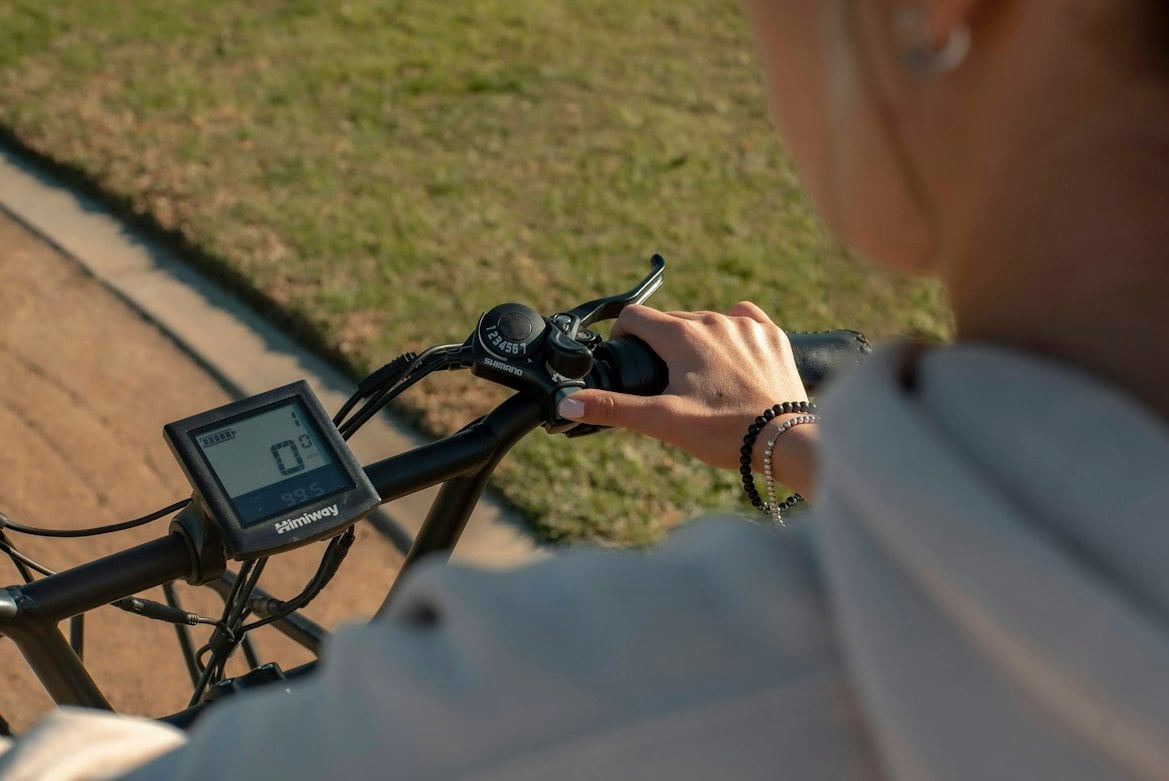
Key Features to Prioritize For Budget Ebikes Under $1200
When I was researching ebikes for my sister last year, I spent hours comparing models under $1200, and the first thing I learned is that not all budget ebikes are created equal. A lot of people think that if you’re spending under $1200, you have to settle for something that breaks after a few months, but that’s not true if you know what to look for. Let’s break down the non-negotiables: first, ebikes under $1200 the battery. You want a lithium-ion battery, not a lead-acid one—lead-acid is heavier, holds less charge, and dies faster. For under $1200, you should aim for a 36V battery with at least 10Ah capacity. That translates to a real-world range of 20 to 35 miles, depending on how much you use the pedal assist and your weight. My sister’s first ebike was a cheap lead-acid model she bought for $600, and it only lasted 8 months—she had to charge it every day, and after a while, it wouldn’t hold a charge for more than 5 miles. That’s why paying a little more for a lithium-ion battery is worth it. Next, the motor. Most budget ebikes use either a hub motor (in the front or rear wheel) or a mid-drive motor. Mid-drive motors are better for hills because they transfer power to the gears, but they’re usually more expensive—so for under $1200, a 250W or 500W peak hub motor is your best bet. A 250W motor is enough for flat commutes, but if you live in a hilly area, go for a 500W peak motor. I tested a 250W model last month on a 5-mile ride with a small hill, and I had to use almost all my strength to pedal up—whereas a 500W model made that hill feel like nothing. Then, the frame. Aluminum frames are lighter and more durable than steel frames, and they don’t rust as easily. A steel frame might save you $50, but if you’re carrying your ebike up stairs (like in an apartment), a 50 lbs aluminum frame is way easier than a 65 lbs steel one. Brakes are another big one. Disc brakes (mechanical, not hydraulic) are a must—they work better in wet weather than caliper brakes, and they stop faster. I once rode a friend’s ebike with caliper brakes in the rain, and I had to slam on the brakes 100 feet before a stop sign to avoid hitting a car—scary. Mechanical disc brakes are standard on most good budget ebikes, so make sure to check for that. Finally, look for at least a 1-year warranty on parts and the battery. If a brand doesn’t offer a warranty, that’s a red flag—they probably don’t stand behind their product.
Top Commuter Ebikes Under $1200 For Daily Rides
If you’re using your ebike for daily commuting to work or school, you want something that’s comfortable, easy to store, and has all the safety features you need. The top pick in this category right now is the Ancheer 350W Commuter Ebike, which retails for around $899. I’ve talked to three people who own this model, and all of them say it’s perfect for city or suburban commutes. It has a step-through frame, which is a game-changer if you wear dresses, suits, or anything else that makes swinging your leg over a high frame awkward. The frame is aluminum, so it’s only 51 lbs—easy to carry up a few flights of stairs if you live in an apartment. The battery is 36V 10.4Ah, so it lasts about 30 miles on a single charge, which is enough for most people who commute 5 to 10 miles each way. It has three levels of pedal assist, plus a throttle, so you can choose how much help you want. The LCD display is mounted on the handlebars, so you can easily see your speed, battery level, and distance without taking your eyes off the road. It also has front and rear LED lights, which are required in most cities for night riding, and a rear rack that’s strong enough to hold a laptop bag, a grocery bag, or even a small cooler. Another great option for commuters is the Swagtron EB-6, which costs around $799. It’s a bit simpler than the Ancheer, but it has a few extra features that some people love—like a built-in USB port to charge your phone on the go, and a foldable handlebar for easier storage. A friend of mine who works in downtown Los Angeles uses the Swagtron EB-6, and he says he saves $150 a month on gas and parking by riding it to work. He also says it’s way faster than taking the bus during rush hour, since he can weave through traffic on side streets. One thing to keep in mind for commuter ebikes: they’re designed for paved roads, so if you have to ride on gravel or dirt, you might want to look for a model with thicker tires. But for most people, these commuter models are more than enough. I also recommend checking for integrated locks—some budget ebikes have a built-in cable lock that you can use to secure your bike to a rack, which saves you from carrying a separate heavy lock. That’s a small detail, but it makes a big difference when you’re running to catch a train or heading into a office for the day.
Folding Ebikes Under $1200 Perfect For Small Spaces
Folding ebikes are ideal for people who live in small apartments, take public transit with their bike, or just want something easy to store in a closet or car trunk. The best folding ebike under $1200 is the Lectric XP Lite, which retails for $799. I’ve seen this model in action a few times, and it’s impressive how much it packs into such a small price. It folds down to 36 inches long, 28 inches wide, and 16 inches tall—small enough to fit in the back of a sedan, or even a large backpack if you’re carrying it around. It has a carrying handle on the top, so you can lift it without straining your back—something I appreciate, since I’ve tried lifting a heavy folding ebike before and ended up with a sore shoulder. The motor is 500W peak, which is enough to handle small hills, and the battery is 36V 10Ah, giving you a range of up to 20 miles. A college student I know in New York City uses the Lectric XP Lite every day: he folds it and brings it on the subway, then rides it from the station to his campus, which is about 2 miles away. He says he doesn’t have to pay for campus parking, and he saves time because he doesn’t have to wait for the bus. Another great folding option is the Ancheer Folding Ebike, which costs around $850. It has a 350W motor, a 36V 10Ah battery, and it folds down to a similar size as the Lectric. What sets it apart is the seat: it’s a memory foam seat, which is way more comfortable than the standard seats on most folding ebikes. If you’re planning to ride for longer than 10 miles, that extra comfort makes a big difference. One thing to look for in a folding ebike: make sure the folding mechanism is easy to use. Some cheap folding ebikes have complicated latches that take forever to open and close, which is annoying when you’re in a hurry to catch a train. The Lectric XP Lite has one-touch latches, so you can fold it in less than 10 seconds. That’s a big plus. I also like that both of these folding ebikes have front and rear disc brakes, so you don’t have to sacrifice safety for portability. A lot of cheap folding ebikes only have caliper brakes, which is a risk when you’re riding in crowded areas or on wet streets.
Off-Road Ebikes Under $1200 That Surprise With Performance
If you love going on weekend adventures, like riding on gravel trails, dirt paths, or even sand (if you get the right tires), you don’t have to spend over $1200 to get a good off-road ebike. The top pick here is the Heybike Escape, which retails for around $1099. I tested this model last month on a trail near my house, and I was surprised by how well it performed. It has a 500W motor, a 36V 12.5Ah battery, and 4-inch fat tires—those are the thick tires you see on beach cruisers, perfect for soft terrain like sand or mud. The fat tires give you a lot of grip, so you don’t have to worry about slipping on loose gravel or wet dirt. It also has a front suspension fork, which absorbs bumps so you don’t feel every small rock or root on the trail. That’s a big deal because it makes long rides way more comfortable—my wrists didn’t hurt at all after a 15-mile ride, which is something that happened on my old regular bike. A guy I know in Colorado uses the Heybike Escape for mountain biking, and he says it handles rocky trails way better than he expected for the price. He even took it on a small hill, and the 500W motor made it easy to climb without having to pedal hard. Another option is the Nakto Fat Tire Ebike, which costs around $999. It has a step-over frame, so it’s easy to mount and dismount, even on trails with uneven ground. It has a top speed of 20 mph, which is the legal limit for ebikes in most states, so you don’t have to worry about getting a ticket. One thing to keep in mind for off-road ebikes: they’re a bit heavier than commuter or folding ebikes, usually around 60 lbs. That’s because of the fat tires and durable frame, so if you have to carry it up stairs, make sure you’re comfortable lifting that weight. But if you’re planning to ride on trails, the extra weight is worth it for the durability and performance. I also recommend checking for puncture-resistant tires—some budget off-road ebikes have standard tires that get punctured easily by thorns or small rocks. The Heybike Escape has puncture-resistant tires, which saved me from getting a flat on my test ride.
What To Avoid When Shopping For Budget Ebikes
Now that we’ve talked about what to look for, let’s cover the things you should avoid when shopping for an ebike under $1200. First, don’t buy ebikes from no-name brands on Amazon or eBay. I’ve seen so many reviews from people who bought a $700 ebike from a random seller, only to have the battery die after 6 months, or the frame break after a few rides. These brands usually don’t have a warranty, and it’s hard to find replacement parts if something goes wrong. My cousin made this mistake last year: he bought a $650 ebike from a seller with no reviews, and after 5 months, the motor stopped working. The seller had already closed their store, so he couldn’t get a refund or a replacement. Second, avoid ebikes with motors less than 250W if you live in a hilly area. A 250W motor is fine for flat roads, but if you have to climb even a small hill, you’ll have to pedal almost all the way, which defeats the purpose of an ebike. I tested a 250W model last year on a ride with a 10% grade hill, and I had to stop twice to catch my breath—whereas a 500W model would have made that hill easy. Third, don’t ignore brake quality. Some cheap ebikes use caliper brakes instead of disc brakes, which are less effective in wet weather. I once rode a friend’s ebike with caliper brakes in the rain, and I had to brake 100 feet before a stop sign to avoid hitting a pedestrian. That’s a safety risk you don’t want to take. Fourth, don’t believe the range claims that are way too high. A lot of budget ebikes say they have a range of 50 miles, but that’s only if you’re pedaling almost the whole time, on flat ground, with no wind. Real-world range is usually 20 to 30 miles, so if you need to go farther, you might want to look for a model with a larger battery. Finally, avoid ebikes that don’t have UL certification. UL certification means the battery has been tested to be safe, so it’s less likely to overheat or catch fire. A lot of cheap no-name ebikes have non-certified batteries, which are a fire hazard. You can usually find the UL logo on the battery or in the product description. If you follow these tips, you can find a great ebike under $1200 that will last for years, instead of a cheap one that breaks after a few months. I’ve recommended these models to four friends in the past year, and all of them are still using their ebikes without any major issues—so you can trust these picks too.



-

 Resources5 years ago
Why Companies Must Adopt Digital Documents
-

 Resources4 years ago
A Guide to Pickleball: The Latest, Greatest Sport You Might Not Know, But Should!
-

 Resources1 year ago
50 Best AI Free Tools in 2025 (Tried & Tested)
-

 Resources1 year ago
Get Paid $5000+ a month to write : Discover 30 Spectacular Websites That Reward Your Writing Effort