Tech
From Selfies to Synthetic Media: The Everyday Risks Behind AI Image Tools

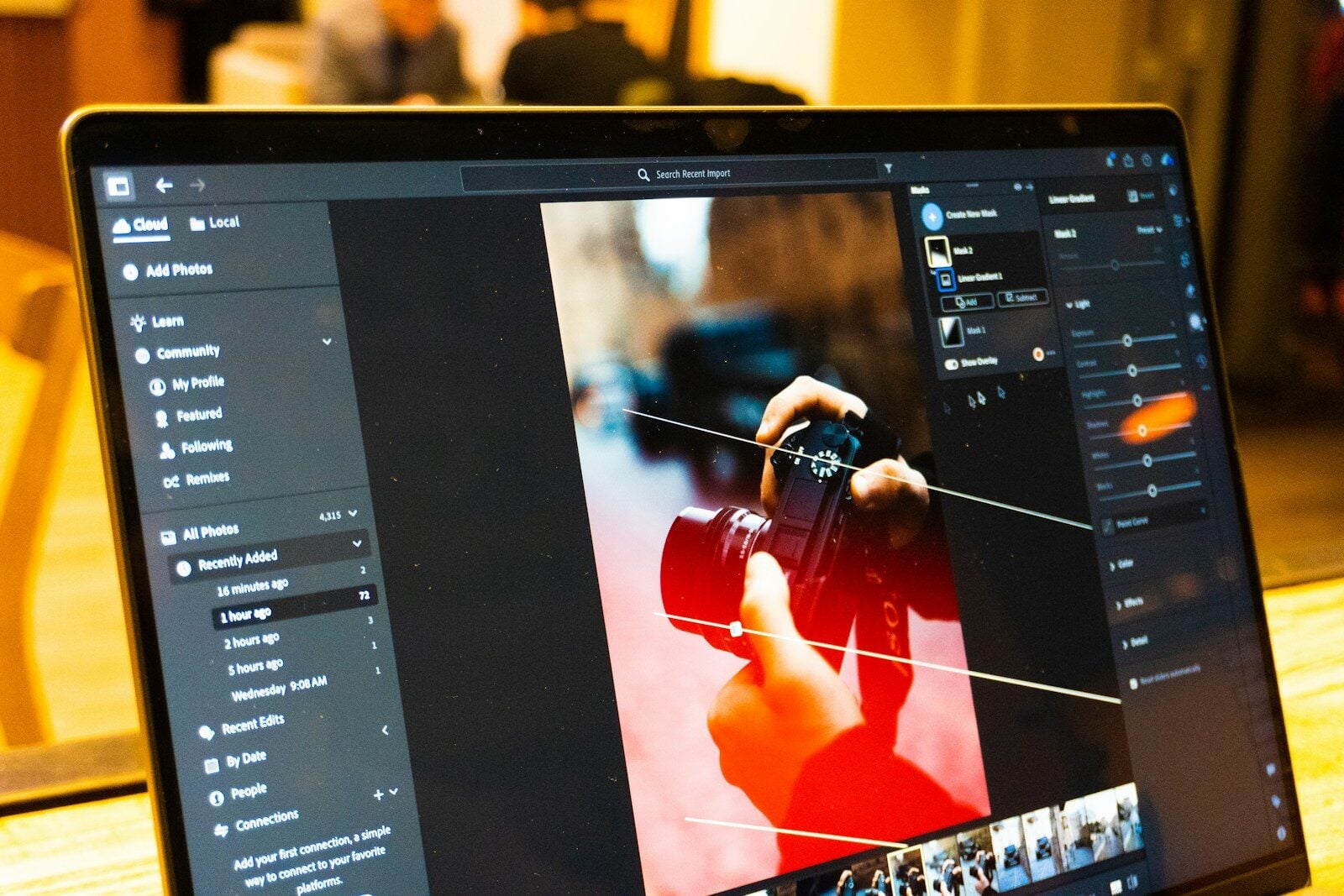
AI image tools have moved far beyond simple filters. A few years ago, editing a selfie usually meant adjusting brightness, smoothing skin, or adding a preset before posting it online. Today, AI can transform a normal photo into a professional headshot, fantasy portrait, fashion-style image, avatar, or realistic scene that never actually happened.
For everyday users, this can feel exciting. A photo that once looked ordinary can suddenly become polished, cinematic, or creative in seconds. But as AI image tools become easier to access, they also bring new risks that many people still underestimate.
The biggest issue is not just what AI can create. It is what happens when real people’s images are uploaded, changed, and shared without enough thought.
AI Images Are No Longer Easy to Spot
Old photo edits often looked obvious. Filters were visible. Retouching had limits. Most people could tell when an image had been heavily changed.
AI has made that harder.
Modern AI tools can create realistic lighting, improve facial details, replace backgrounds, and generate images that look believable at first glance. This means a viewer may not immediately know whether an image is real, edited, or fully synthetic.
That creates a trust problem. A fake image does not need to be perfect to spread. It only needs to look convincing enough for people to react, share, or question what they are seeing.
The Risk Starts When You Upload a Photo
Many users focus on the final result, but the privacy risk begins earlier.
When someone uploads a selfie to an AI image tool, they may also be sharing personal data. A photo can include a face, body, home interior, workplace, location clues, other people in the background, or hidden metadata.
Before uploading any image, users should ask:
- Does the platform store uploaded photos?
- Can the image be deleted later?
- Is the privacy policy clear?
- Could the image be used to train AI models?
- Would I be comfortable if this photo became public?
If the answer is unclear, it is safer not to upload sensitive images.
Consent Matters More Than Curiosity
AI image editing becomes especially risky when people use someone else’s photo.
A friend’s selfie, a classmate’s profile picture, a coworker’s image, or a public social media photo may feel easy to copy and upload. But access is not the same as permission.
If you use an undress ai function, the consent question has to come first. Do not use it on another person’s image without clear permission, and never create edits that could embarrass, sexualize, misrepresent, or harm someone.
This is not just about being polite. It is about protecting someone’s identity, dignity, and reputation.
Synthetic Media Can Cause Real Harm
One of the most dangerous misconceptions about AI-generated images is that they are “not real,” so they do not matter.
That is false.
A synthetic image can still damage a real person. It can be used for bullying, harassment, impersonation, scams, fake profiles, revenge content, or reputation attacks. Even if the image is later proven fake, the emotional and social damage may already be done.
This is especially concerning for teenagers, creators, public-facing professionals, and anyone whose image is easily found online.
The more realistic AI tools become, the more careful users need to be with what they create and share.
Sensitive AI Editing Needs Strong Boundaries
Not all AI image features carry the same risk. Changing a background or improving lighting is very different from changing someone’s body, clothing, or private appearance.
If you experiment with an ai undresser, only use images you have the right to edit and understand that realistic outputs can have serious consequences if misused. A tool may feel like a quick online experiment, but the result can still affect a real person.
The same applies to any AI feature that creates intimate, suggestive, or identity-altering content. The stronger the transformation, the stronger the responsibility.
Sharing Is Where Problems Escalate
Creating an AI-edited image is one step. Sharing it is another.
Once an image is posted online, control is almost impossible to get back. It can be saved, reposted, screenshotted, edited again, or taken out of context. Even private groups and direct messages are not truly risk-free.
Before sharing any AI-generated or AI-edited image, ask:
- Could someone believe this is real?
- Could it embarrass or harm anyone?
- Does the person in the image know and agree?
- Is the context clear?
- Would I be comfortable if this was shared widely?
If there is any doubt, do not post it.
Deepfake-Style Images Require Extra Caution
Some AI image categories are especially sensitive because they create realistic intimate or identity-based transformations. If someone uses a deepnude ai feature, they should understand that consent, privacy, and legality are not optional details. They are the core issue.
Using such technology on another person without permission can be deeply harmful. It can violate privacy, damage reputations, and create serious consequences for both the person targeted and the person who created or shared the image.
Curiosity is not a valid excuse for misuse.
How Everyday Users Can Stay Safer
AI image tools are not automatically bad. Many are useful for creativity, branding, design, and entertainment. The key is using them responsibly.
A safer approach includes:
- use only your own images,
- avoid uploading private or sensitive photos,
- read the privacy policy before using a platform,
- never edit someone else’s image without consent,
- avoid sharing realistic AI edits without context,
- delete uploads when possible,
- label AI-generated images if they could mislead people,
- report non-consensual AI images when you see them.
These steps will not remove every risk, but they reduce the chance of harm.
AI image tools are changing how people create, edit, and understand visual content. They can make creativity easier and give users new ways to express themselves online. But they also make it easier to blur reality, misuse someone’s image, and spread synthetic media that feels believable.
The safest mindset is simple: treat every real person’s photo with respect.
If the image is yours, think carefully before uploading it. If the image belongs to someone else, get permission. If the edit could harm, embarrass, or mislead, do not create it.
AI can change a photo in seconds. The consequences can last much longer.


-

 Resources5 years ago
Why Companies Must Adopt Digital Documents
-

 Resources4 years ago
A Guide to Pickleball: The Latest, Greatest Sport You Might Not Know, But Should!
-

 Resources1 year ago
50 Best AI Free Tools in 2025 (Tried & Tested)
-

 Resources1 year ago
Get Paid $5000+ a month to write : Discover 30 Spectacular Websites That Reward Your Writing Effort