Blogs
Tips for Choosing a Cotton Bore Mop for Professional Barrel Cleaning

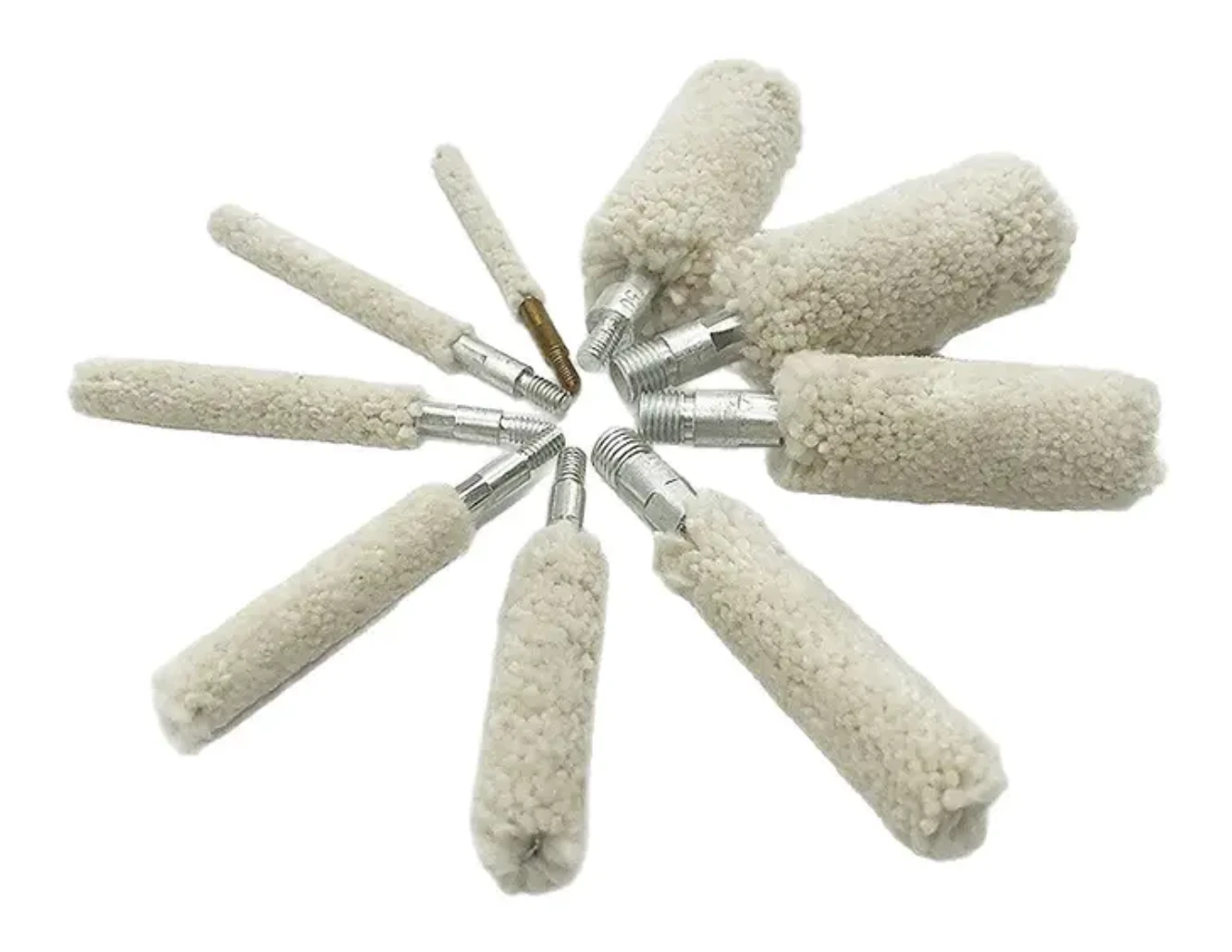
A cotton mop may seem like the simplest item in the kit, and it’s usually the last thing people choose. However, it determines how evenly the solvent is distributed along the bore walls and how much residue remains after cleaning the firearm. The catalog https://www.gunnix.us/catalog/bore-mops provides a good guide to sizes, featuring cleaning mops ranging from .17 caliber to 12 GA. Using these as examples, it’s easy to understand what to look for and how to use such a tool.
Why Cotton Is Needed When There’s Already a Brush
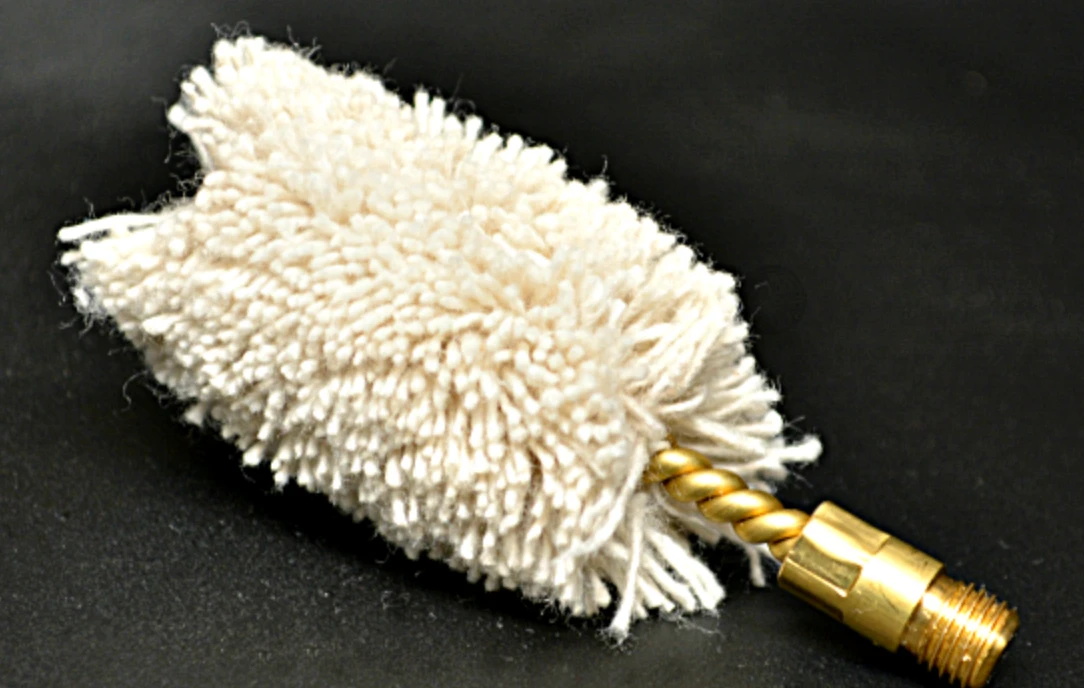
A product with bronze bristles works mechanically: it scrapes carbon and copper off the bore walls. Cotton doesn’t scrape anything. A dense cotton head, wound around a threaded brass core, absorbs the solvent and carries it into the bore, then collects the dissolved deposits. In the final step, a thin film of oil is applied in the same way before storage.
A patch is pressed against the rifling by a jag and works as a narrow strip of fabric. Cotton, on the other hand, wraps around the entire circumference of the bore and reaches into the corners of the grooves. That’s why less of the fine residue that patches tend to miss is left in the bore after a cotton pass.
Why Matching the Bore Diameter Matters Most
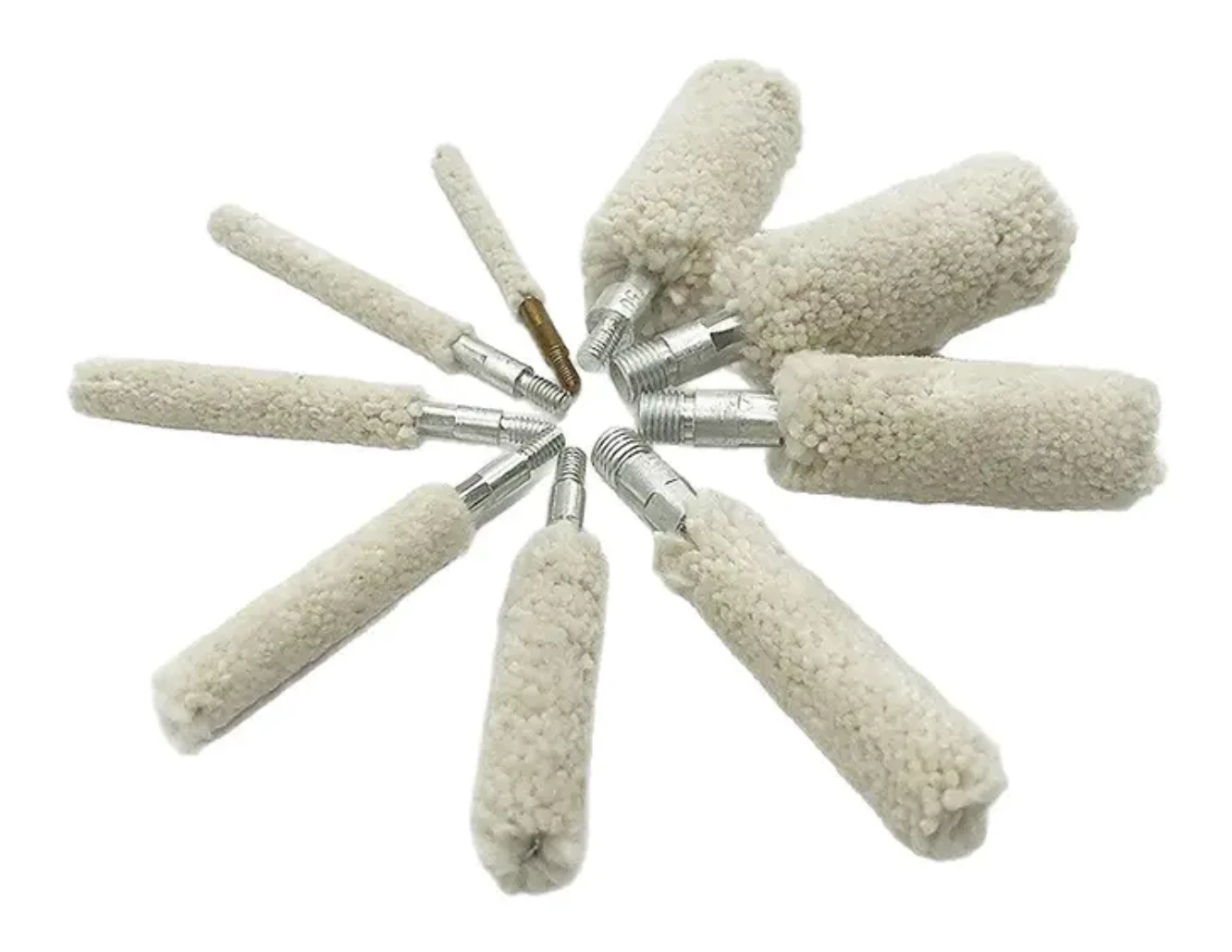
The head is selected strictly according to the caliber. One that is too thin wobbles loosely and barely touches the metal, so the solvent ends up spread unevenly. One that is too thick requires significant force to push through, puts strain on the cleaning rod and may get stuck, and in small calibers this is noticeable from the very first pass.
The lineup in the catalog is based on bore diameter, not cartridge name. A single .30 size fits the .308 Winchester, .30-06 and 7.62 NATO, while the .357/9mm size works for both pistols and revolvers chambered for these cartridges. There are ten items in the lineup in total, which is enough for most rifles, pistols and shotguns.
What to Look for When Buying
When choosing, it’s worth checking four things:
- Head composition. 100% cotton works best, since it absorbs solvent and oil more effectively than synthetic materials.
- Core material. Brass doesn’t bend under normal load and doesn’t leave scratches on metal.
- Thread size. The standard for small calibers is 5-40, for rifles and pistols it’s 8-32, and for shotguns it’s 5/16-27.
- Wrap density. The fibers should be tightly wound and shouldn’t pull out by hand.
The threading deserves special attention. 12 and 20 gauge shotgun mops come with 5/16-27 threading and are attached to an 8-32 rifle rod using an adapter. Without an adapter, the head simply won’t fit, so it’s best to check this in advance.
How Are Mops Used in Professional Cleaning
Experienced shooters keep at least two mops of the same caliber. The first is used only for solvent, and the second only for oil. If they get mixed up, chemical residue ends up in the protective coating, and the oil dilutes the solvent and weakens its effect.
The typical sequence is as follows:
- First, a mop moistened with solvent is run through the bore several times, leaving it damp.
- Then the solvent is allowed to work for a few minutes, after which a bore brush is used.
- Dry patches remove the bulk of the dirt, while a clean, dry mop wipes away the last traces of moisture.
- At the very end, the second mop with a small amount of oil leaves a thin film on the metal.
With shotguns, the procedure is slightly different. In a 12 or 20 gauge smoothbore barrel, the biggest problems are plastic wad residue and lead. A solvent-soaked head softens these deposits, after which they are removed with a brush and a dry mop of the same size. In such a wide bore, patches have to be folded into several layers, so cotton is simply more convenient here.
When Is It Time to Replace the Head
Cotton wears out gradually, and it’s easy to miss the right time to replace it. According to the manufacturer, a single mop lasts an average of 15 to 25 cleanings. The best indicator of its condition is the resistance felt on the stroke: as long as the head grips the walls tightly, it’s still effective. If it moves almost freely or leaves fibers in the bore, the winding has worn out.
Simple care helps extend its service life. After cleaning, the head is rinsed in clean solvent or warm soapy water, wrung out and left to air dry, rather than put back in the case while still damp. Dirty cotton hardens over time, collects abrasive dust and begins to perform worse than a regular cleaning patch.
What Shortens the Service Life of a Cotton Head
Most mops fail prematurely for the same reasons. The first is attempting to scrub away heavy carbon buildup with dry cotton instead of a brush. The fibers become clogged with dirt, the winding compacts, and it no longer absorbs the solvent properly.
The second reason is forcing a larger size into a narrow bore. The winding gets crumpled, the fibers tear off and remain in the barrel, and the core itself may bend. The third is storing it in the same compartment as a bottle of solvent, where the cotton is constantly soaked in chemicals and loses its shape more quickly.
The direction of movement is worth mentioning separately. The head is passed through the entire bore, from the chamber to the muzzle, and pulled back only after it exits the muzzle. Reversing it in the middle of the barrel twists the winding and quickly ruins its density.
Which Barrels Is This Tool Suitable For
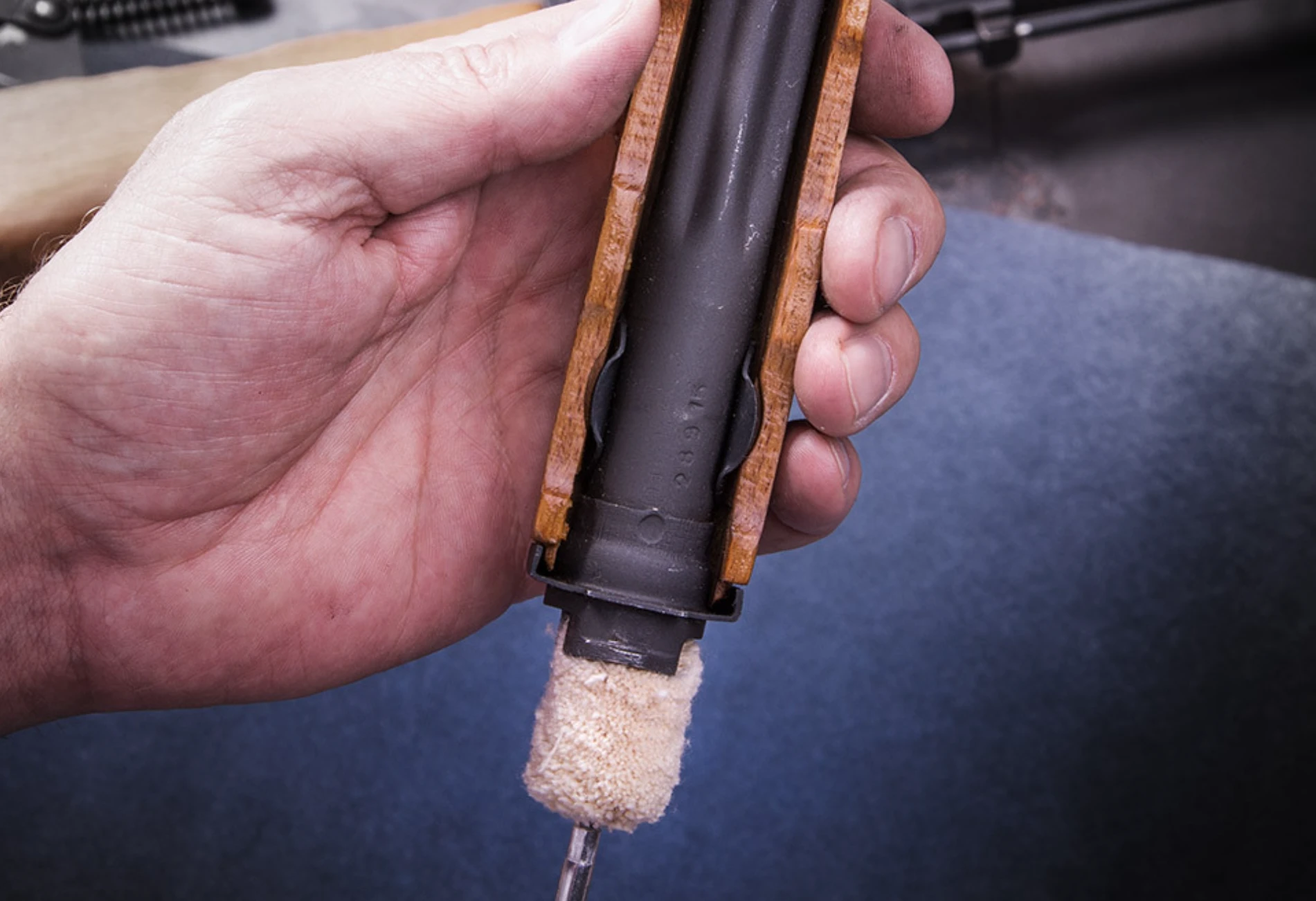
Cotton and brass are softer than any barrel steel. That’s why this tool is safe for chrome-lined, nitrided and stainless steel barrels and doesn’t require special caution. It is even more useful for shotguns than for rifles: the wide bore of a 12 gauge is difficult to clean with patches, while cotton fills it completely.
This attachment costs just a few dollars, and there’s no point in skimping on it. Two or three mops for each caliber in the gun safe cover all stages of maintenance and eliminate the need for extra passes with patches. It doesn’t replace a brush, but without it the job remains incomplete: some of the dissolved grime still stays in the bore.



-

 Resources5 years ago
Why Companies Must Adopt Digital Documents
-

 Resources4 years ago
A Guide to Pickleball: The Latest, Greatest Sport You Might Not Know, But Should!
-

 Resources1 year ago
50 Best AI Free Tools in 2025 (Tried & Tested)
-

 Resources1 year ago
Get Paid $5000+ a month to write : Discover 30 Spectacular Websites That Reward Your Writing Effort