Resources
What Is Document Management System DMS Software? A Practical Guide for Businesses

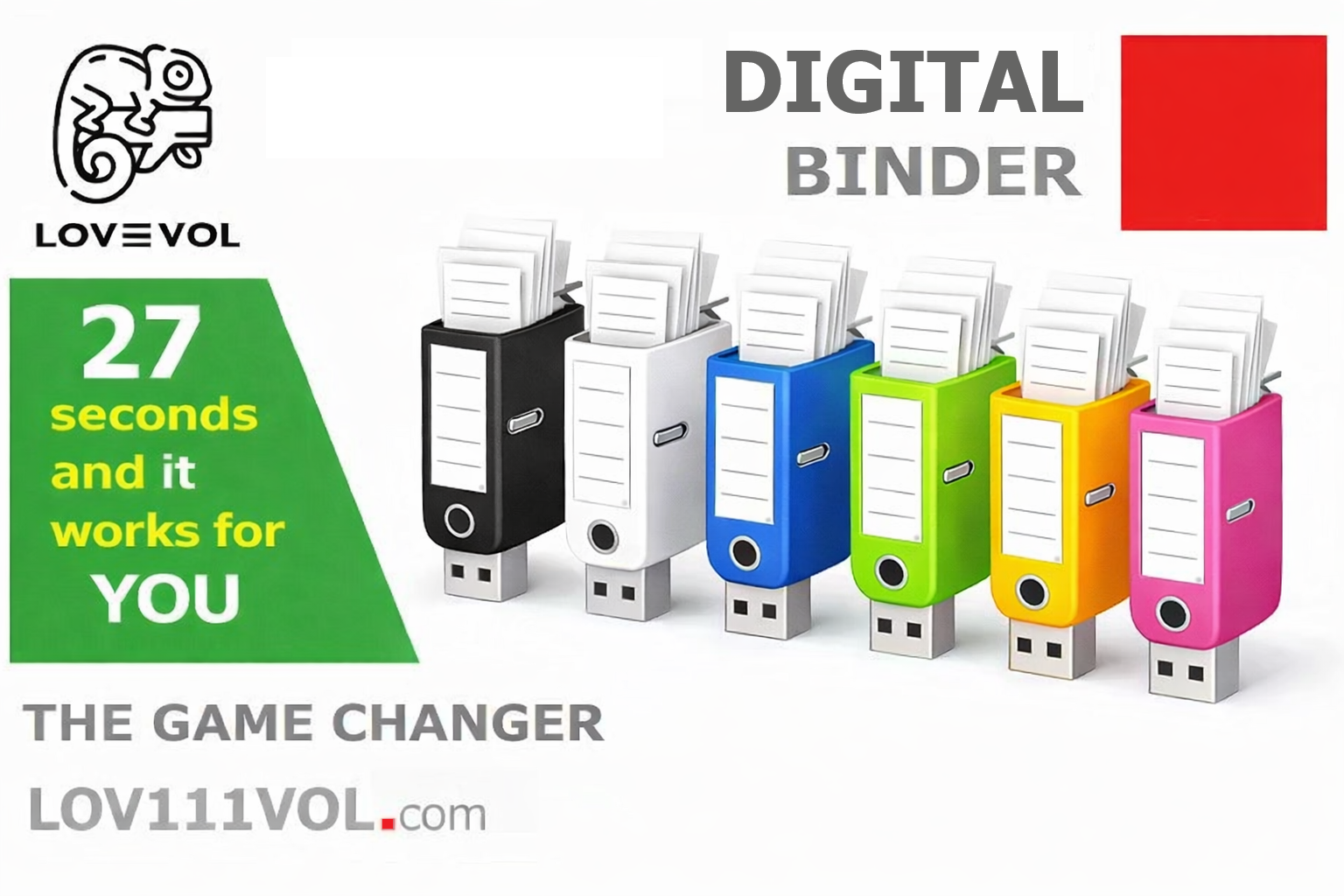
Businesses create and manage large amounts of digital information every day. Contracts, invoices, project files, reports, customer documents, technical specifications, and internal records can quickly become difficult to organize.
Saving files across different folders, email accounts, cloud services, and local computers may work for a small amount of information. As a business grows, however, finding the right document can become increasingly time-consuming.
This is where document management systems can help. Document management system DMS software provides a structured environment for storing, organizing, accessing, sharing, and managing digital documents.
What Is a Document Management System?
A document management system (DMS) is software designed to help organizations manage digital documents throughout their lifecycle.
Instead of relying only on traditional folders, a DMS can provide features such as:
- document organization,
- search and retrieval,
- access permissions,
- version management,
- document archiving,
- metadata,
- file sharing,
- collaboration,
- backups and retention.
The exact features depend on the software and the needs of the organization.
The main objective is simple: make business information easier to store, find, manage, and protect.
Why Do Businesses Need Document Management Software?
One of the biggest problems with unmanaged digital files is fragmentation.
A document might exist on an employee’s computer, in an email attachment, on a shared drive, and in a cloud storage account. Different versions can then appear without anyone knowing which one is current.
A document management system can create a more structured environment.
For example, a company could organize information according to:
Department → Project → Document Type → Document
A project workspace might contain contracts, meeting notes, specifications, invoices, test documents, and reports.
This structure can reduce the time employees spend searching for information and make it easier for teams to work with the same documents.
How Can DMS Software Improve Business Efficiency?
Document management is not only about storing files. A well-organized system can also affect everyday business processes.
Employees may spend significant amounts of time looking for documents, checking whether a file is current, requesting access, or recreating information that already exists elsewhere.
A DMS can help by providing a central and structured environment.
Potential benefits include:
- less time spent searching for documents,
- fewer duplicate or outdated files,
- easier collaboration,
- clearer responsibilities,
- better access control,
- simpler employee onboarding,
- reduced dependence on paper documents.
For a small company, saving a few minutes on individual tasks may seem insignificant. Across an entire team and over many months, however, these small improvements can become meaningful.
How Does DMS Software Work?
A typical document management system allows users to upload or create documents and organize them within a structured environment.
Depending on the system, documents may be associated with metadata such as:
- document type,
- project,
- customer,
- author,
- creation date,
- modification date,
- status.
Users can then search or filter documents instead of manually browsing through large numbers of folders.
Some systems also provide version control. When a document is modified, previous versions can remain available rather than being permanently overwritten.
This can be particularly useful for contracts, technical documents, policies, and other files that change over time.
Document Management System DMS Software for Small Businesses
Document management is not only relevant to large corporations.
Small businesses may already manage customer files, invoices, contracts, project documents, passwords, and internal information. Without a clear system, important files can become dependent on individual employees.
A DMS can help create a shared structure where authorized team members can access the information they need.
For smaller organizations, simplicity is often more important than having hundreds of features. A useful system should make everyday document management easier rather than create additional administrative work.
What Features Should You Look for in DMS Software?
The right features depend on the organization’s requirements, but several capabilities are commonly useful.
Document Organization
Documents should be easy to categorize and retrieve.
Search
A good search function can save considerable time when an organization has thousands of files.
Access Control
Not every employee should necessarily have access to every document. Permissions can help restrict sensitive information.
Version Management
Versioning helps teams keep track of changes and avoid confusion between older and newer files.
Document Archiving
Important documents may need to be retained for long periods. Archiving helps organizations preserve information while keeping everyday workspaces manageable.
File Sharing
Teams may need to share documents internally or with external partners.
Backup and Recovery
Documents can be business-critical. A document management strategy should therefore consider how files are backed up and recovered after accidental deletion, hardware failure, or other incidents.
DMS Software and Document Security
Document management is closely connected to information security.
Business documents can contain confidential customer information, financial data, contracts, intellectual property, or internal company information.
A document management system should therefore consider:
- authentication,
- user permissions,
- access control,
- secure storage,
- backups,
- audit information,
- retention policies.
Security requirements vary significantly between organizations. A small business may have different needs from a financial institution or healthcare organization.
The important principle is that document organization and document security should be considered together.
Cloud-Based vs. Local Document Management
DMS software can be implemented in different ways.
Cloud-based systems store documents and services on remote infrastructure and are often accessible through the internet. They can be convenient for distributed teams and organizations that do not want to maintain their own infrastructure.
Local or on-premises systems keep data within infrastructure controlled by the organization. This can provide greater control over storage and access, although it may require more responsibility for maintenance, backups, and security.
There is no universally correct option. The choice depends on factors such as security requirements, budget, infrastructure, remote access, compliance, and technical capabilities.
Document Management and the Paperless Office
Document management systems can also support the transition from paper-based workflows to digital processes.
Instead of printing documents, processing physical copies, and storing paper records, businesses can increasingly use digital workflows.
This can reduce physical storage requirements and make documents easier to search and share.
However, becoming paperless is not simply a matter of scanning documents. Organizations also need clear processes for naming, organizing, securing, retaining, and eventually deleting digital information.
DMS Software vs. File Storage
A shared drive or cloud storage service primarily provides a place to store files.
A document management system can go further by adding structure around those files.
For example, a DMS may provide:
Storage + Search + Metadata + Permissions + Versioning + Archiving
This can be particularly valuable when documents are part of business processes rather than simply files that need somewhere to be stored.
The distinction is not always absolute. Many modern storage platforms include document-management features, while some DMS platforms provide traditional file-storage capabilities.
How Should a Business Choose a Document Management System?
Before selecting software, a business should first understand how it currently handles documents.
Useful questions include:
- Where are documents currently stored?
- How many people need access?
- Which documents are sensitive?
- How often are files searched or shared?
- Are different versions a problem?
- How long must documents be retained?
- Does the company need cloud or local storage?
- Are employees working remotely?
- Does the system need to integrate with other business software?
Businesses should also consider how easy the system will be for employees to use.
A technically powerful platform can still fail to deliver value if employees find it complicated and continue storing important information in personal folders or email attachments.
For teams looking for a structured document management software environment, a solution can combine document organization, archiving, search, and access management in one workspace.
The best system is therefore not necessarily the one with the longest feature list. It is the one that fits the organization’s workflows and makes document management easier.
What Is the Future of Digital Document Management?
As businesses become increasingly digital, document management is becoming part of a broader information-management strategy.
Documents are often connected to projects, customers, employees, financial processes, communication, and business decisions.
This means modern document-management systems increasingly need to work alongside other business applications rather than treating every file as an isolated object.
Search, automation, artificial intelligence, workflow management, and integrations can also make large document collections easier to manage.
At the same time, organizations still need to consider security, data ownership, privacy, and long-term accessibility.
Conclusion
A document management system DMS software solution can help businesses organize digital documents, improve access to information, manage versions, support collaboration, and preserve important records.
The value of a DMS is not simply storing files. It is creating a structured environment in which business information can be found, managed, shared, and protected.
For small businesses as well as larger organizations, the right approach depends on the volume of information, security requirements, team structure, workflows, and storage preferences.
As businesses continue moving away from paper-based processes, effective digital document management can become an important part of a modern digital workplace.



-

 Resources5 years ago
Why Companies Must Adopt Digital Documents
-

 Resources4 years ago
A Guide to Pickleball: The Latest, Greatest Sport You Might Not Know, But Should!
-

 Resources1 year ago
50 Best AI Free Tools in 2025 (Tried & Tested)
-

 Resources1 year ago
Get Paid $5000+ a month to write : Discover 30 Spectacular Websites That Reward Your Writing Effort