
A motorcycle accident in Daytona can be over in seconds, but the records connected to it can take much longer to gather. A police report, medical bill, repair estimate, or insurance email may seem like a small piece of paper at first.
Together, these records can create a clear record of what happened, what injuries followed, and what expenses came from the crash. For riders dealing with an accident on Daytona roads, keeping these documents in one place can make the claim easier to review. Here are the main records worth keeping after a motorcycle accident in Daytona, FL.
1. Police and Accident Reports
The police report is one of the first records to keep after a motorcycle accident in Daytona. It may contain information about the crash, the vehicles involved, the location, and statements made at the scene.
Keep a copy of the report along with any other accident documents you receive. If another report is created by an insurance company, road agency, or other organization, that record may also be useful for reviewing the accident.
A Daytona motorcycle accident lawyer may look at these records along with other available information to understand the facts connected to the claim. Keeping the documents together makes it easier to find important details later.
2. Medical Records and Bills
Medical records can show what happened after the accident and what treatment was provided. Riders may receive care from an emergency room, hospital, doctor, physical therapist, or another medical provider in Daytona.
Keep copies of medical reports, test results, prescriptions, treatment notes, and bills. Receipts for medicine or other medical expenses should also be saved.
Even if treatment takes place at different locations, try to keep all the records together. A complete set of medical documents can provide a clearer record of the injuries and the costs connected to them.
3. Employment and Income Records
A motorcycle accident may affect a rider’s ability to work. Time away from a job can also affect regular income, so employment records may become part of the information reviewed in a claim.
Pay stubs can help show normal earnings, while employer records may show missed work days. Other documents may also record changes in work hours or income after the accident.
Keep these records for the period connected to the injury. Having clear employment information can make it easier to review how the accident affected work and earnings.
4. Motorcycle Repair and Damage Records
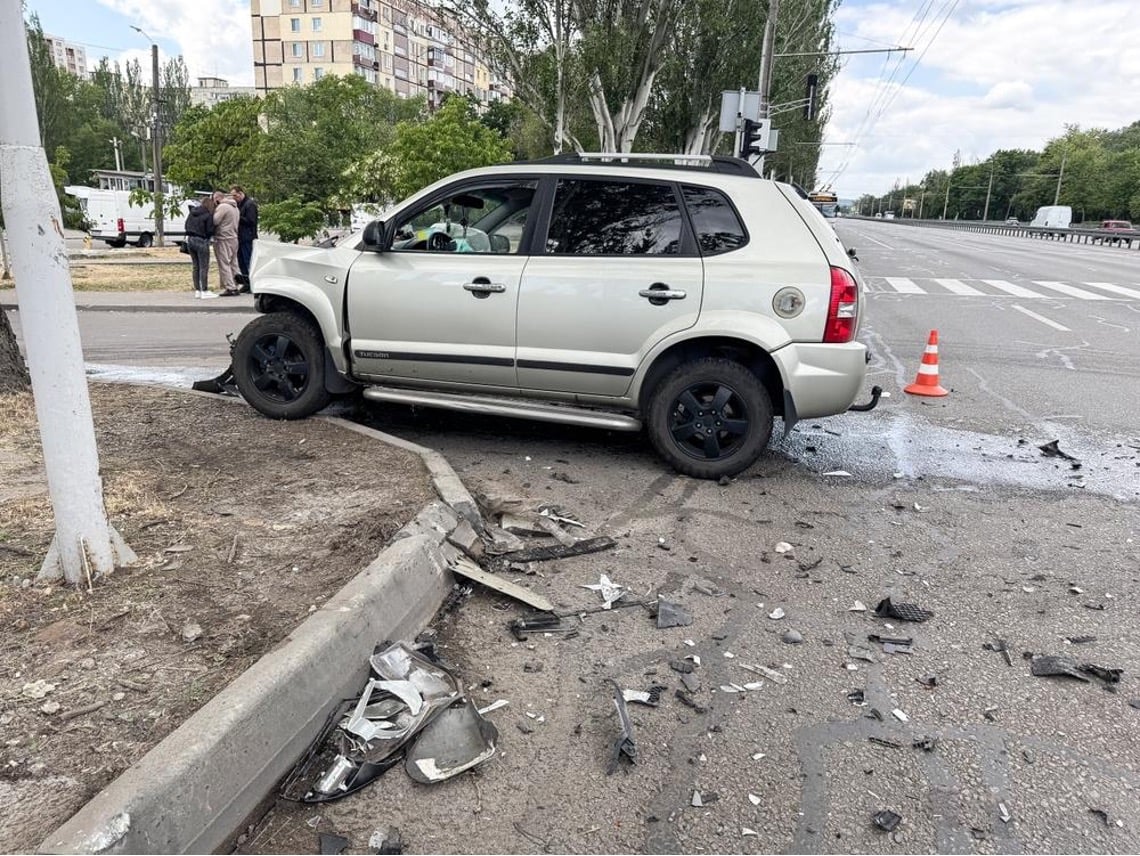
The motorcycle itself can provide another important set of records. After a crash in Daytona, take photos of the damage and keep all documents related to repairs.
Repair estimates, invoices, towing receipts, and storage bills should be saved. If the motorcycle is inspected before repairs begin, keep a copy of that inspection or estimate as well.
Records from before the accident may also help show the motorcycle’s condition before the crash. Service receipts and maintenance documents can provide useful information about its history.
5. Insurance Records
Insurance communication can create a large amount of paperwork after a motorcycle accident. Keep the policy information, claim number, letters, emails, forms, and other documents connected to the claim.
It can also help to keep notes about important phone calls with insurance representatives. Record the date of the call, the name of the person you spoke with, and the main subject of the conversation.
Do not throw away letters or emails simply because they seem repetitive. A complete insurance file can help keep the claim history clear and organized.
6. Photos and Video Records
Photos can show details that written records may not fully capture. After a Daytona motorcycle accident, photographs may show damage to the motorcycle, other vehicles, road conditions, traffic signs, and the surrounding area.
Keep the original photos and videos if possible. Avoid editing the files or relying only on screenshots, since the original files may contain useful information about the date and time.
Photos taken during the repair process can also be saved with the rest of the motorcycle records.
7. Witness Information and Statements
People who saw the accident may have information about what happened before, during, or after the crash. Their names and contact details should be kept with the other accident records.
If a witness provides a written statement, save a copy of it. Messages or other communication from witnesses may also be kept with the accident file.
For a crash on a busy Daytona road, several people may have seen different parts of the accident. Keeping their information organized can make those details easier to review.
8. Other Accident-Related Expense Records
Some accident costs may not appear on a medical bill or motorcycle repair invoice. Transportation, rental vehicle costs, parking fees, and other expenses may also be connected to the accident.
Keep receipts and other proof of payment for these costs. A simple note showing the date, amount, and reason for each expense can also help keep the records clear.
For Daytona riders, these smaller expenses can add up quickly during medical treatment, motorcycle repairs, and time away from normal activities. Keeping proof of each expense gives a clearer record of the costs involved.
Keep Your Daytona Accident Records Together
A motorcycle accident can create paperwork from several different places, and losing one document can make the overall record harder to follow. Keeping police reports, medical records, work documents, motorcycle records, insurance communication, photos, witness details, and receipts in one organized file can make the information easier to review.
The goal is simple: keep a clear record of the accident and the losses connected to it. A Daytona motorcycle accident lawyer can review these records as part of understanding the facts and legal issues related to a claim.