Guides
Vehicle Electrical Repair: Common Problems, Costs, and Solutions
Vehicle electrical repair guide covering common problems, typical costs, and practical solutions so you can diagnose issues early and avoid overpaying.

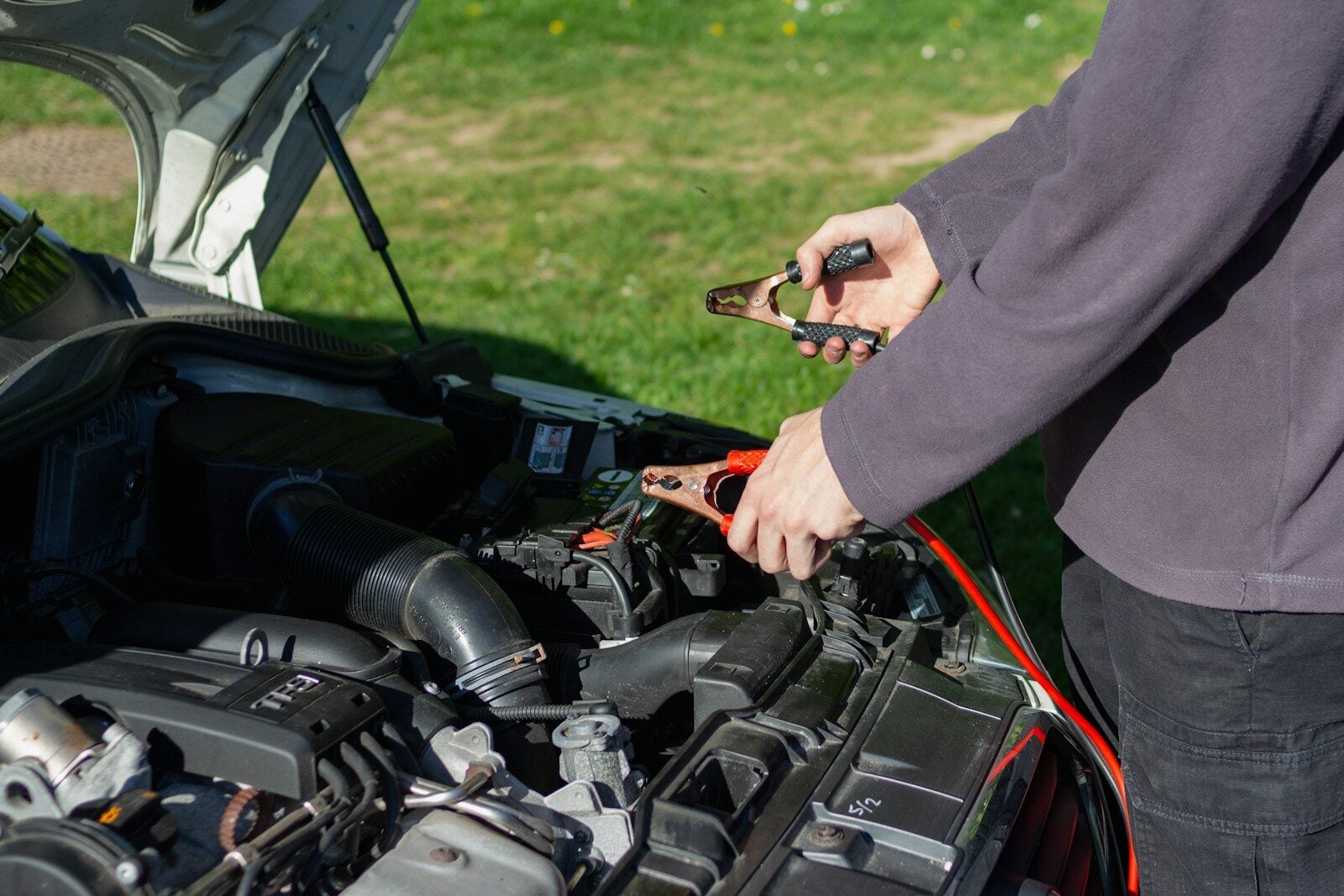
The keyphrase vehicle electrical repair covers everything from dead batteries to complex wiring faults. Many drivers only think about it when the car refuses to start or a warning light appears on the dashboard. However, electrical issues often start as subtle symptoms that are easy to miss and expensive to ignore.
Therefore, you need a clear view of typical faults, realistic cost ranges, and practical solutions before you authorize any work. As a result, you avoid overpaying for diagnostics, you choose the right shop, and you decide whether a repair is still worth it for an older vehicle. This guide keeps the focus on diagnosis first, parts second, and cost control throughout.
Additionally, we will walk through common electrical problems in modern cars, cost breakdowns for key components, and smart repair strategies. Meanwhile, we will highlight when a DIY fix is reasonable and when professional tools and training are mandatory. The goal is simple, make vehicle electrical repair predictable instead of stressful.
Understanding Vehicle Electrical Systems
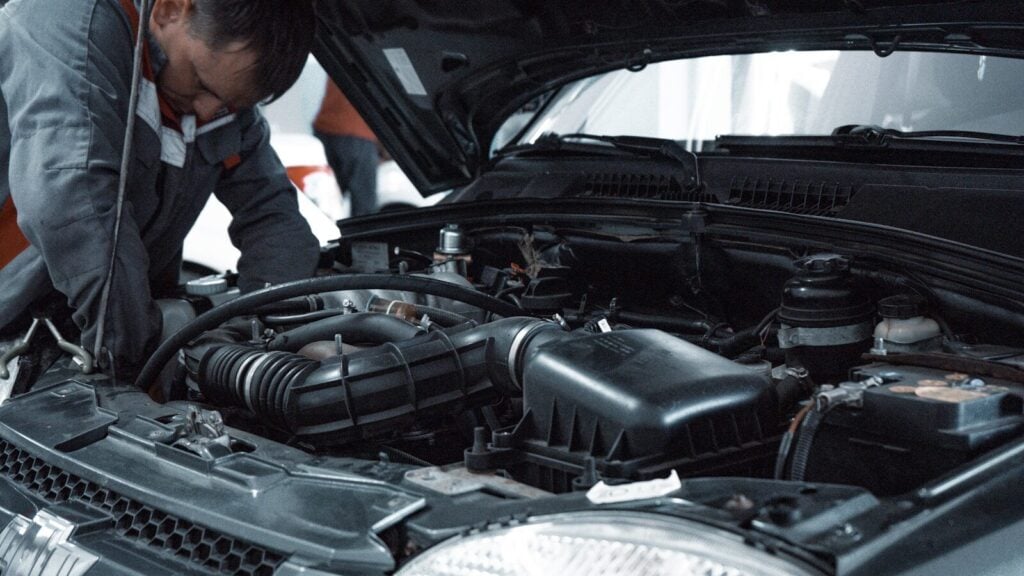
Modern vehicles rely on a network of circuits that power starting, charging, lighting, safety systems, and infotainment. The core components are the battery, alternator, starter motor, fuses, relays, and many control modules. A fault in any part of this network can cause symptoms far from the actual failure point.
Therefore, good diagnostics matters more than quick part swapping. Many shops start with a dedicated electrical system check that uses a multimeter, scan tools, and sometimes oscilloscopes to measure voltage, current, and signal integrity. In contrast, simple visual checks rarely catch deeper issues such as intermittent shorts or failing control modules.
Additionally, the rise of advanced driver assistance and infotainment systems increases electrical complexity. For example, a single blown fuse may disable cameras, parking sensors, and the central display together. As a result, repair costs can jump quickly if the technician misreads the symptoms and replaces expensive modules unnecessarily.
Common Electrical Problems in Vehicles
Most vehicle electrical repair jobs fall into a handful of recurring categories. Understanding these helps you explain symptoms clearly and spot questionable repair recommendations. Furthermore, you can often separate urgent safety issues from minor comfort problems.
- >Faulty alternator
- >Bad starter motor
- >Blown fuses and bad relays
- >Wiring problems and electrical shorts
- >Malfunctioning lights and indicators
- >Power window and lock failures
- >Instrument cluster and dashboard issues
- >Parasitic battery drain
- >Control module faults such as ECU or body control unit problems
A dead or weak battery remains the most common cause of starting issues. Symptoms include slow cranking, dim lights, and warning icons on the dashboard when you turn the key. In many cases the battery simply reached the end of its life and replacement resolves the problem.
A failing alternator causes similar complaints because it cannot recharge the battery properly. You may notice the battery warning light, flickering interior lights, or a whining noise from the engine area. Eventually the car stalls while driving because the electrical system cannot sustain itself.
Starter motor failures present as a loud click with no crank or intermittent starting problems. Oil contamination, worn brushes, or damaged solenoids often sit behind these symptoms. Replacing the starter usually restores reliable operation yet access can require significant labor on some models.
Blown fuses and faulty relays typically shut down specific functions such as radio, wipers, or power windows. The real issue may be a short circuit or overloaded accessory rather than the fuse itself. Therefore, repeated fuse failures signal the need for deeper inspection instead of repeated quick replacements.
Wiring problems and electrical shorts produce the most unpredictable behavior. You may see flickering lights, random warning messages, or intermittent failures in different systems. Causes include corrosion, previous poor repairs, rodent damage, or stress from vibration and heat.
Typical Cost Ranges for Electrical Repairs
Before any vehicle electrical repair, shops usually charge a diagnostic fee. Many guides list typical checks starting around the local equivalent of fifty to one hundred units of currency for up to an hour of testing. This fee covers initial scan tool use, basic voltage checks, and a written estimate.
Once the fault is identified, cost depends on part price, labor time, and vehicle type. For common components such as a twelve volt battery, alternator, or starter, total bills often land in a moderate range with one to three hours of labor. Luxury cars and electric vehicles frequently cost more due to part prices and specialist expertise.
In some regions, average garage labor rates sit around sixty units per hour, while large metro areas charge significantly higher. Therefore, location directly affects your total spend on electrical repairs. Additionally, choosing original equipment parts instead of aftermarket alternatives increases material cost but may reduce compatibility issues.
Indicative Cost Table for Key Repairs
| Option | Repair type | Typical cost range | Typical labor time |
|---|---|---|---|
| Option A | Basic electrical diagnostic check | £50 to £100 equivalent | Up to 1 hour |
| Option B | 12 volt battery replacement | £100 to £300 equivalent | 30 to 60 minutes |
| Option A | Alternator replacement | £150 to £400 equivalent | 1 to 3 hours |
| Option B | Starter motor replacement | £150 to £400 equivalent | 1 to 2 hours |
| Option A | Electric window regulator repair | £110 to £300 equivalent | 1 to 2 hours |
| Option B | Advanced control module diagnostic | £50 to £100 plus | Up to 2 hours |
These figures are guides rather than fixed prices. Real invoices vary based on make, model, accessibility of parts, and whether other components need removal during the job. As a result, always request a printed estimate that includes labor hours, part types, taxes, and shop fees.
When reviewing a quote, focus on the ratio of labor to parts. A high labor number with cheap parts usually signals complex access, for example, removing bumpers or interior trim to reach wiring. In contrast, high part cost with short labor suggests sophisticated modules or branded components driving the bill.
DIY vs Professional Electrical Repair
Some vehicle electrical repair tasks are reasonable for careful DIY owners. For example, replacing a battery, swapping a simple fuse, or cleaning corroded terminals typically needs only basic tools. You still must follow manufacturer safety guidance and disconnect the battery when appropriate.
However, tasks that involve airbag circuits, brake systems, or complex control units should remain with trained technicians. Incorrect work can trigger safety failures or further damage electronic systems. Moreover, modern vehicles often require coding steps with specialized tools after module replacement.
As a result, combine DIY for simple visible issues with professional diagnostics for anything involving repeated faults or warning lights. The most important choice here is to avoid guessing on wiring repairs. Poorly executed splices or incorrect gauge wires create new problems and fire risks later.
Preventing Electrical Problems
Preventive care reduces the need for frequent vehicle electrical repair. Regular battery checks, alternator testing, and inspection of key grounds catch many issues early. Many shops include basic electrical checks during scheduled services at little extra cost.
Additionally, keeping battery terminals clean and dry maintains good contact. Corrosion or loose terminals create voltage drops that mimic other faults. Simple cleaning with approved solutions and protective sprays helps maintain system reliability.
Avoid overloading the system with too many aftermarket accessories. High power audio systems, additional lights, or untested gadgets can push circuits beyond their safe limits. Therefore, always check ratings and use dedicated fused lines for larger accessories.
Choosing a Shop for Vehicle Electrical Repair
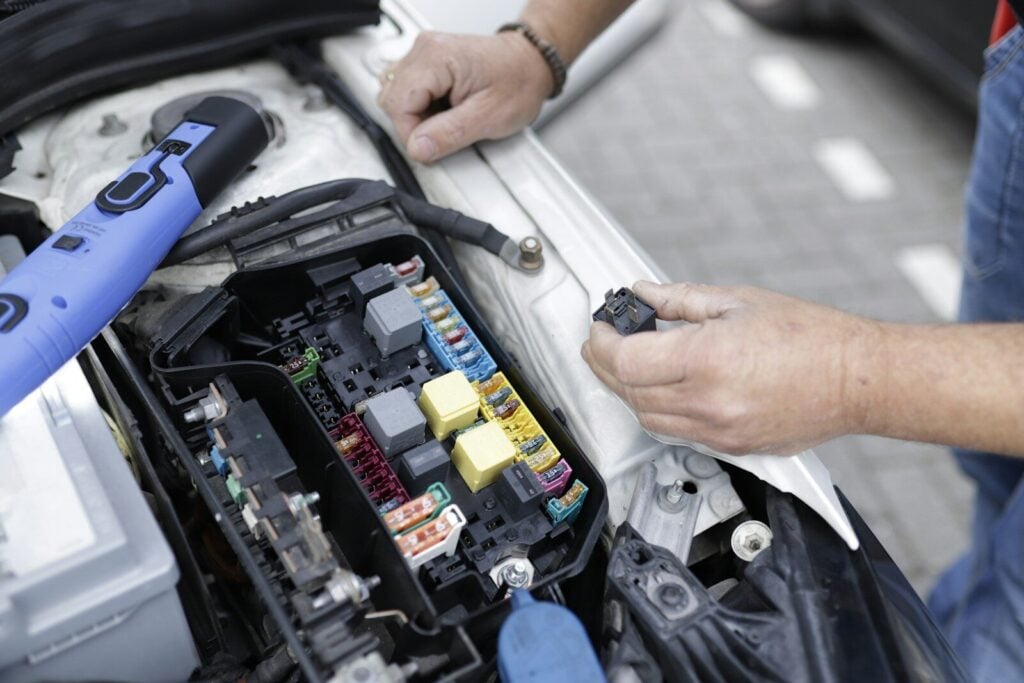
Electrical work demands different skills than routine mechanical servicing. When you select a shop, prioritize those that advertise electrical diagnostics or auto electrician expertise. Look for evidence of proper training, good equipment, and experience with your vehicle brand.
Ask specific questions about their diagnostic process. For example, whether they use up to date scan tools, follow manufacturer wiring diagrams, and provide printed reports. A shop that leans heavily on part swapping without structured testing is a risk for your wallet.
Additionally, check whether they guarantee their work for a reasonable period. Many reputable garages offer warranties on both labor and parts, especially for electrical repairs. This guarantee encourages thorough diagnosis instead of quick fixes that fail soon after.
When Electrical Repair Might Not Be Worth It
Sometimes the economics of vehicle electrical repair break down. For older cars with low market value, a quote for complex wiring or control module replacement may exceed the car price. In such cases, scrapping the vehicle or selling it for parts can be rational.
Therefore, always compare repair cost with the value of the vehicle and your future usage plans. If an estimate crosses a meaningful threshold, ask the shop for alternative strategies such as partial repairs or used parts. As a result, you may restore basic function without chasing perfection.
In contrast, on newer cars or electric vehicles, electrical repairs are often unavoidable. High voltage systems and advanced electronics hold much of the vehicle value. For example, traction batteries and drive electronics cost significant amounts to replace but remain essential to operation.
Practical Checklist Before Approving Repairs
Before you authorize any vehicle electrical repair, run through a simple checklist. This helps you avoid scope creep and unplanned costs. Moreover, it gives you a consistent way to compare different shops.
- >Request a clear written description of the fault
- >Review the estimate with separate labor and parts lines
- >Check whether parts are original or aftermarket
- >Ask how long the repair will take and whether same day is realistic
- >Understand warranty terms for both parts and labor
- >Verify whether additional issues might appear during the job
Following this checklist makes the repair process more transparent. You quickly spot vague explanations or missing details that can hide later cost increases. In turn, you can walk away from shops that refuse to provide basic clarity.
For recurring problems, ask for the root cause rather than just the failed component name. For example, instead of simply replacing a blown fuse, the technician should identify the circuit fault that caused the overload. This approach protects you from repeated visits for the same symptom.
Key Takeaways for Drivers
Vehicle electrical repair touches critical safety systems, convenience features, and core drivability. Therefore, treat electrical symptoms with the same seriousness as mechanical noises or fluid leaks. Early diagnosis often keeps cost under control and prevents roadside breakdowns.
Furthermore, learn the basic warning signs, such as dim headlights, repeated fuse failures, or difficulty starting. These early indicators give you time to plan a visit instead of waiting for a full failure. A simple preventive check can avoid expensive component damage later.
Finally, choose shops that respect systematic diagnostics and transparent pricing. With the right partner, even complex electrical issues become manageable. In contrast, poor decision making at the estimate stage often turns a small problem into a long term headache.



-

 Resources5 years ago
Why Companies Must Adopt Digital Documents
-

 Resources4 years ago
A Guide to Pickleball: The Latest, Greatest Sport You Might Not Know, But Should!
-

 Resources1 year ago
50 Best AI Free Tools in 2025 (Tried & Tested)
-

 Resources1 year ago
Get Paid $5000+ a month to write : Discover 30 Spectacular Websites That Reward Your Writing Effort