Lifestyle
Maintaining a Clean and Healthy Home Environment

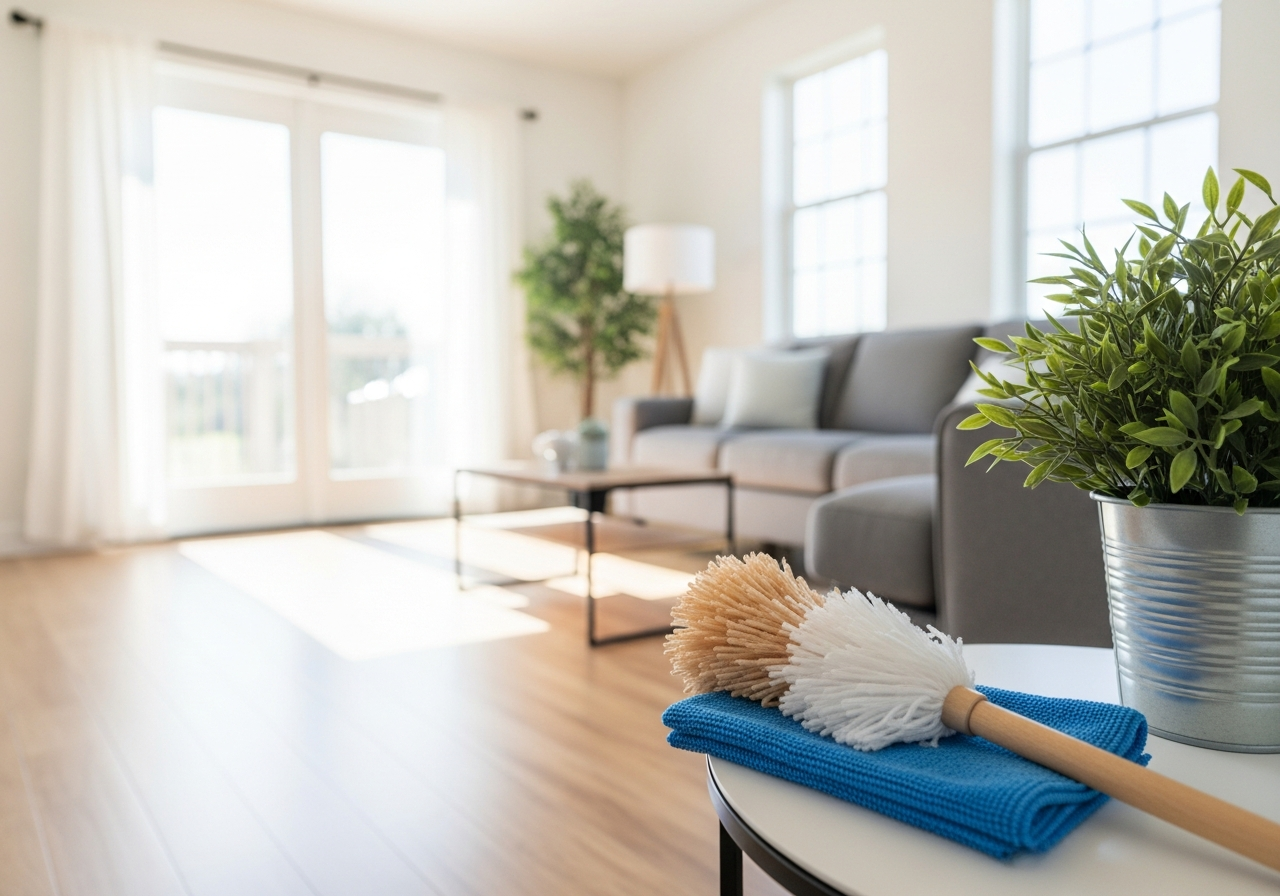
Keeping a home free of dust and allergens is a challenge virtually every household knows well. And it goes well beyond appearances — home cleanliness has a direct bearing on health, from reducing respiratory irritation and limiting allergen exposure to improving the quality of the air everyone inside is breathing. Building an effective routine starts with having the right tools in place. Choosing reliable equipment — from vacuums capable of thorough whole-home cleaning to cordless vacuums that make room-to-room flexibility genuinely practical, as well as a robot vacuum for effortless daily maintenance — lays the groundwork for consistent, sustainable floor and surface care.
Why Home Cleanliness Matters for Health and Well-Being
Dust mites, pet dander, and mold spores rank among the most common triggers for asthma and chronic allergies — a fact that environmental health organizations have flagged as a serious indoor air quality concern for decades. In a home with pets, airborne dander can accumulate to aggravating levels within just a few days, enough to worsen ongoing respiratory conditions noticeably. And the effects aren’t purely physical: research consistently links tidier living spaces to lower stress levels and sharper concentration, which gives regular upkeep a value that extends well beyond the visible.
Key Takeaway — Three Primary Indoor Pollutants:
– Dust mites: Thrive in warm, humid conditions; strongly linked to chronic asthma
– Pet dander: Microscopic skin particles that persist on surfaces and fabrics long after contact
– Mold spores: Flourish in damp environments; associated with respiratory illness and long-term lung damage
Essential Principles of Effective Home Cleaning
Effective cleaning begins before anything is switched on. Decluttering surfaces first reduces the areas where dust can settle, and wiping down hard surfaces before a deep clean stops grime from spreading rather than simply being redistributed. Keeping indoor humidity between 40–60% and improving natural ventilation discourages both mold growth and dust mite proliferation — strategies that environmental health experts have consistently endorsed.
- Daily tasks: Wipe kitchen counters, sweep high-traffic floors, and tidy shared spaces
- Weekly tasks: Vacuum carpets and upholstery, mop hard floors, clean bathrooms, and wash bedding
Understanding Dust and Allergens
Household dust is more complex than it looks — a mixture of shed skin cells, textile fibers, outdoor particles, and various biological matter. Dust mites, the microscopic organisms that feed on those shed skin cells, can complete their entire life cycle in roughly three weeks under favorable conditions, which is precisely why consistent cleaning matters so much for keeping their populations in check. Pollen, mold spores, and pet allergens add further layers to the problem, particularly in homes with limited airflow or heavy daily foot traffic.
A Step-by-Step Guide to a Comprehensive Cleaning Routine
Working top-to-bottom and room-by-room is the most logical approach — it prevents dislodged dust from drifting back onto surfaces you’ve already cleaned. Tackling high-traffic areas like kitchens and living rooms before moving to bedrooms also ensures that effort goes where it’s needed most.
- Dust ceiling fans and light fixtures
- Wipe down shelves and furniture tops
- Clean mirrors and glass surfaces
- Disinfect kitchen counters and appliances
- Scrub sinks, toilets, and tubs
- Vacuum upholstered furniture
- Vacuum carpets and rugs
- Mop hard floors
- Empty and sanitize waste bins
- Periodically clean behind large furniture and appliances
Floor Care Fundamentals
Different floor types call for different approaches. Hardwood floors do best with dry methods first — sweeping or vacuuming — before any damp mopping, since excess moisture causes warping and damages the joins over time. Carpets need genuine agitation to dislodge embedded debris, while tile responds well to both suction and wet cleaning. Industry flooring guidelines are consistent on this point: matching technique to surface type is essential for preserving appearance and avoiding long-term deterioration.
Advanced Strategies for Long-Term Cleanliness
Prevention reduces the cleaning burden considerably. Quality doormats at every entrance trap outdoor particles before they have a chance to spread, and a shoe-free policy cuts tracked-in contaminants even further. In allergen-prone rooms, HEPA-filter air purifiers make a meaningful difference. Seasonal adjustments are worth factoring in too — spring demands closer attention to pollen infiltration, while summer’s humidity calls for heightened vigilance against mold. For everyday grime, eco-friendly options like diluted white vinegar or baking soda solutions offer effective, low-chemical alternatives, backed by a growing body of evidence on sustainable cleaning practices.
Integrating Technology into Cleaning
Modern cleaning tools can genuinely improve efficiency, though they work best when solid core habits are already in place. Robotic floor cleaners handle routine maintenance well in smaller spaces, but manual methods still hold the advantage for deep cleaning and hard-to-reach areas. For allergy-sensitive households in particular, evaluating a tool’s filtration capacity and airflow performance is worth the extra attention — recirculated particles can quietly undermine even the most diligent cleaning efforts.
Common Cleaning Mistakes and How to Avoid Them
Even careful cleaners tend to fall into the same predictable traps:
- Over-wetting hard floors: Excess moisture seeps into joins and causes warping; a lightly dampened mop is all that’s needed
- Neglecting equipment filters: Clogged filters reduce suction and recirculate dust back into the air; clean or replace them on a regular schedule
- Cleaning bottom-to-top: Always work from ceiling to floor — otherwise, dislodged dust settles on surfaces you’ve already cleaned
- Using one cloth across all surfaces: This spreads bacteria between zones; keep separate cloths assigned to different areas
- Overlooking hard-to-reach spots: Dust builds up steadily behind appliances and under furniture; schedule periodic deep cleans for these areas rather than leaving them indefinitely
Building Sustainable Cleaning Habits
Lasting cleanliness comes down to consistent, adaptable routines — not the occasional marathon session. A single person’s maintenance needs look quite different from those of a family with children and pets, and any schedule worth keeping should honestly reflect that reality. The goal isn’t perfection; it’s steady, manageable progress. A home that’s regularly maintained is inherently healthier, less stressful, and more welcoming for everyone in it. Taking stock of current habits, identifying the spots that tend to get overlooked, and adjusting accordingly remains the most practical — and ultimately the most rewarding — step any household can take toward a genuinely cleaner living environment.



-

 Resources5 years ago
Why Companies Must Adopt Digital Documents
-

 Resources4 years ago
A Guide to Pickleball: The Latest, Greatest Sport You Might Not Know, But Should!
-

 Resources1 year ago
50 Best AI Free Tools in 2025 (Tried & Tested)
-

 Resources1 year ago
Get Paid $5000+ a month to write : Discover 30 Spectacular Websites That Reward Your Writing Effort