Resources
Webpayblog com – Guide to Modern Digital Payment Systems

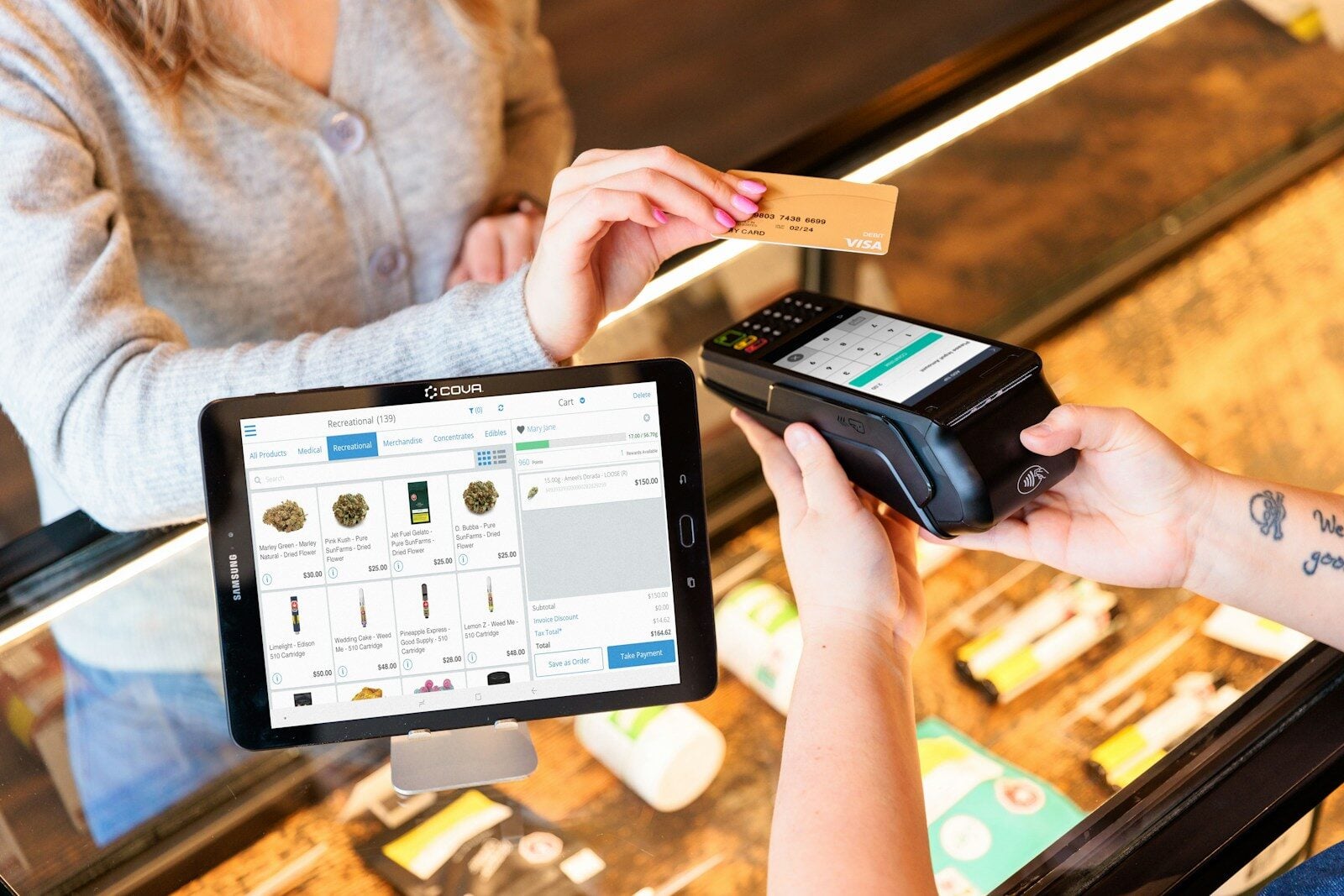
In summary: Webpayblog com is a specialized digital resource dedicated to demystifying online payment gateways, financial technology integration, and e-commerce security. It serves as a central hub for merchants and developers looking to optimize transaction flows and reduce processing costs through informed, data-driven decisions.
If you are navigating the complex world of online transactions, you’ve likely realized that the “buy now” button is just the tip of the iceberg. Behind every successful digital sale is a sophisticated web of encryption, banking handshakes, and processing protocols. This guide breaks down the essential mechanics of digital payments, offering clear strategies to improve your conversion rates and protect your bottom line. Stick around to discover the specific technical shifts currently reshaping how money moves across the web.
Understanding the Architecture of Digital Payments
Digital payments are no longer just about moving money from Point A to Point B. They represent the intersection of user experience and cybersecurity. When we look at the infrastructure discussed on platforms like webpayblog com, we see a move toward “invisible payments”—systems so seamless that the customer barely notices the transaction occurring.
The core components usually involve a merchant account, a payment processor, and a gateway. The gateway acts as the digital courier, fetching the transaction data from the customer and delivering it to the processor. For businesses, choosing the right gateway isn’t just a technical choice; it’s a financial one. A study by Juniper Research indicates that total digital payment values are expected to reach unprecedented heights as biometric authentication becomes the standard for mobile wallets.
Essential Insights for Merchants and Developers
To stay competitive, you need to look beyond the surface level of transaction fees. Here is what you should focus on:
- Authorization Rates: Many businesses lose revenue not because of a lack of sales, but because legitimate transactions are flagged as fraud.
- Multi-Currency Support: If you aren’t thinking globally, you’re leaving money on the table. Localized payment methods (like Pix in Brazil or iDEAL in the Netherlands) often outperform standard credit cards.
- Tokenization: This is the process of replacing sensitive card data with a unique identifier (a token). This reduces your PCI compliance burden significantly.
Integrating webpayblog com Strategies for Scalability
When building a payment stack, scalability is the ultimate goal. You don’t want to overhaul your entire system every time your volume doubles. By following the architectural principles often highlighted on webpayblog com, you can build a modular system. This means using APIs that allow you to swap processors or add new payment methods without rewriting your core codebase.
A Quick Comparison: Hosted vs. Integrated Gateways
Choosing how to collect payment info changes your level of control and your liability.
| Feature | Hosted Gateways (e.g., PayPal Standard) | Integrated Gateways (API-based) |
| User Experience | Redirects user to a third-party site. | Keeps user on your website. |
| Security | Provider handles most security. | You share more responsibility for PCI. |
| Setup Ease | Very high; plug-and-play. | Requires developer resources. |
| Branding | Limited. | Full control over look and feel. |
The Impact of webpayblog com Insights on Fraud Prevention
Fraud is a moving target. According to Statista, e-commerce losses due to online payment fraud are a multi-billion dollar problem annually. The solution lies in machine learning. Modern systems analyze hundreds of data points—from IP addresses to typing patterns—to verify identity in milliseconds.
Implementing 3D Secure 2.0 (3DS2) is a practical step. It provides a “frictionless” flow where high-risk transactions require a quick thumbprint or face scan, while low-risk ones sail through. This balance is critical because if your security is too tight, you’ll frustrate your customers.
Practical Examples and Common Mistakes
Learning from others is often cheaper than learning from your own errors. Here are a few scenarios I frequently observe:
The “Hidden Fee” Mistake
A merchant signs up for a processor with a low flat rate (e.g., 2.9%). However, they fail to account for “chargeback fees” or “PCI non-compliance fees.” Over six months, their effective rate climbs to 4%.
Solution: Always ask for an Interchange-Plus pricing model, which is more transparent.
The Checkout Friction Example
A boutique store required users to create an account before paying. By enabling “Guest Checkout” and adding a digital wallet option (like Apple Pay), they saw a 20% increase in mobile conversions overnight.
Steps to Optimize Your Payment Flow
If you want to refine your current setup using the principles found on webpayblog com, follow these steps:
- Audit Your Checkout Funnel: Use heatmaps to see where users drop off. Is it the shipping cost or the lack of a specific payment option?
- Enable One-Click Payments: Store tokenized data for returning customers to remove all barriers to a second purchase.
- Implement Failover Logic: If your primary payment processor goes down, have a secondary one ready to take over automatically.
- Test on Mobile: Ensure the keypad that pops up for card numbers is the numeric one, not the full QWERTY keyboard.
- Review Chargeback Data: Identify if certain products or regions have higher dispute rates and adjust your filters accordingly.
Pros and Cons of Modern Payment Tech
The digital finance world is full of trade-offs. While webpayblog com often discusses the benefits of innovation, it’s important to weigh the risks.
Pros:
- Faster access to capital through instant settlements.
- Reduced human error in accounting via automated reconciliation.
- Increased customer trust through recognizable security badges.
Cons:
- Complexity in managing global tax compliance (VAT/GST).
- Potential for “False Positives” in fraud detection.
- Dependence on third-party API stability.
Why webpayblog com Content Matters Today
The velocity of change in the fintech space is staggering. Between the rise of Central Bank Digital Currencies (CBDCs) and the expansion of “Buy Now, Pay Later” (BNPL) services, staying informed is a full-time job. By keeping a pulse on technical documentation and industry trends, you ensure your business remains resilient against both economic shifts and technical debt.
FAQ
What is the difference between a payment processor and a payment gateway?
The gateway is the digital interface that captures the data, while the processor is the engine that actually moves the money between banks. Think of the gateway as the waiter taking your order and the processor as the kitchen preparing the meal.
How can I reduce my transaction fees?
The most effective way is to negotiate your rates once you hit a certain volume or to switch to Interchange-Plus pricing. Additionally, encouraging payment methods with lower overhead, like ACH or direct bank transfers, can save significant amounts compared to credit cards.
Is PCI compliance mandatory for small businesses?
Yes. If you handle, store, or transmit credit card data, you must comply with PCI DSS standards. Using a hosted payment page can greatly simplify this process as the provider takes on the bulk of the technical requirements.
What are the most common reasons for transaction declines?
Common culprits include insufficient funds, incorrect CVV codes, expired cards, and automated fraud triggers from the issuing bank (especially for international purchases).
How does tokenization protect my customers?
Tokenization ensures that even if your database is breached, the hackers only find “tokens” or random strings of characters that are useless outside of your specific payment environment. No actual card numbers are stored on your servers.
Moving Forward with Your Strategy
Building a robust payment environment is an ongoing process of testing and refinement. The insights shared here, and the deeper dives available at webpayblog com, provide the framework you need to stay ahead of the curve. By prioritizing security without sacrificing speed, you create an environment where customers feel safe and transactions happen effortlessly.
Focus on the data, watch your authorization rates, and never stop optimizing your checkout flow. The landscape will continue to evolve, but the fundamentals of trust and efficiency will always be the pillars of a successful digital business.


-

 Resources5 years ago
Why Companies Must Adopt Digital Documents
-

 Resources4 years ago
A Guide to Pickleball: The Latest, Greatest Sport You Might Not Know, But Should!
-

 Guides2 years ago
Guest Posts: Everything You Should Know About Publishing It
-

 Resources11 months ago
50 Best AI Free Tools in 2025 (Tried & Tested)