Artificial Intelligence (AI)
How AI Music Platforms Help Startups Move From Idea to Audience Faster

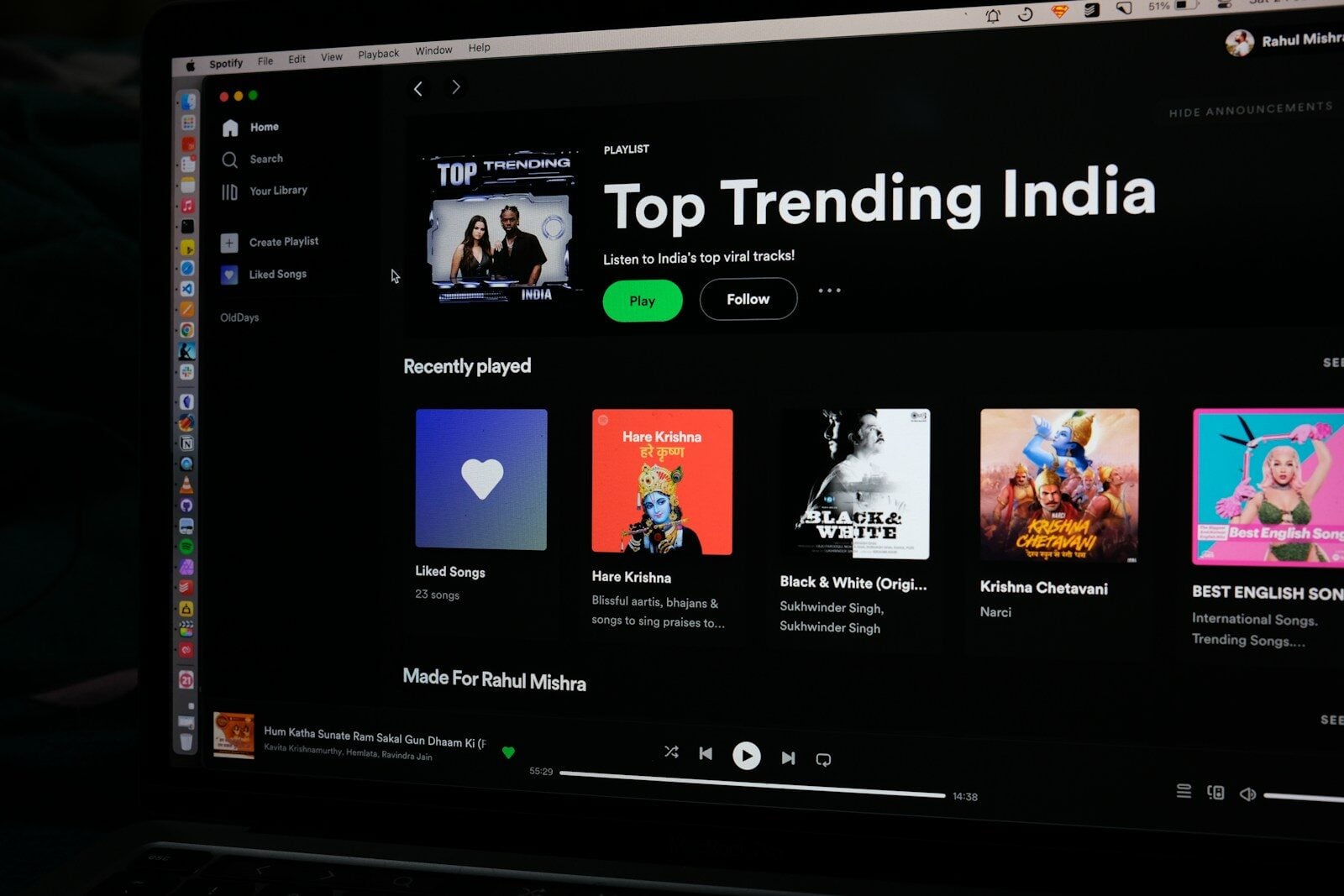
Startups have always competed on speed, focus, and the ability to make a new idea feel real before larger teams notice the opportunity. In product design, marketing, and community building, music often plays a quiet but important role in that process. A short launch video, a social clip, a podcast intro, an in-store demo, or a product walkthrough can feel unfinished when the sound is generic or mismatched. For a young company, however, commissioning original audio for every asset can be slow, expensive, and difficult to coordinate. That gap is one reason AI-assisted music creation is becoming a practical part of the modern startup toolkit.
The strongest use case is not replacing human taste. It is giving small teams more room to explore. A founder can test whether a calmer electronic bed makes a product demo feel more premium, whether a brighter rhythm improves a tutorial, or whether a cinematic cue supports a campaign story. Instead of waiting days for a first draft, the team can create options quickly, compare them inside the actual context, and then decide which emotional direction fits the brand. The result is a tighter feedback loop between sound, message, and customer reaction.
For early-stage teams, this matters because brand identity is rarely settled at the beginning. A company may know its mission and target audience, but the sensory details are still forming. Color, type, motion, voice, and audio all need to work together. Tools such as Seed Music can support that process by helping teams generate music ideas that match a specific mood, campaign, or creative brief. When the sound can be adjusted quickly, the team can make brand decisions with more evidence and less guesswork.
AI music platforms also make content operations easier. Many startups now publish across several channels at once: short video, product education, founder updates, event recaps, webinars, advertisements, and investor-facing material. Each format benefits from a different audio treatment. A twenty-second social clip may need energy immediately, while a long product explainer needs music that stays out of the way. A podcast intro should be recognizable, but not distracting. When every channel requires separate sourcing, licensing, and editing, audio becomes another bottleneck. AI tools reduce that friction by letting teams generate variations for different lengths and tones while keeping the creative direction consistent.
Licensing clarity is another important factor. Startups often move fast and reuse assets in unexpected ways. A piece of music first created for a landing page video might later appear in a paid ad, a conference booth reel, or an onboarding sequence. If the licensing terms are unclear, the team may hesitate or spend time replacing the track. A reliable platform should make rights, permitted uses, and export quality easy to understand before the content goes live. That kind of operational clarity is especially valuable for lean teams that do not have dedicated legal or production departments.
The technology is also useful during customer research. Sound can change how people interpret a product, even when the interface stays the same. A finance app with energetic music may feel bold, while the same walkthrough with a softer track may feel trustworthy. A wellness product may need calm pacing, while a creator tool may need momentum. By testing multiple audio directions, startups can learn which emotional frame helps customers understand the product faster. These insights can influence not only marketing, but also positioning, onboarding, and community storytelling.
There are still limits. Good music choices require taste, restraint, and context. A track that sounds impressive in isolation can overwhelm a product demo. A song that fits a trend today may feel dated in a few months. Startups should treat AI-generated music as part of a creative process rather than a shortcut around judgment. The best workflow is usually simple: define the audience, describe the desired feeling, generate several options, test them in the real asset, and keep only the version that improves the message. If the sound does not support the story, it should be changed or removed.
Human collaborators still matter as well. Designers, editors, marketers, and musicians can use AI-generated drafts as starting points, references, or quick prototypes. A creative director might use several generated ideas to explain a mood to a composer. A video editor might build a temporary cut before commissioning a final score. A growth team might test campaign variants before investing in a larger production. In these cases, AI expands the number of ideas a team can consider without forcing every experiment to become a major project.
For startup founders, the broader lesson is that audio should be planned earlier. Music is often added at the end of a campaign, after the visuals and copy are already fixed. That makes it harder for sound to contribute meaningfully. When teams consider music during concept development, they can build stronger emotional consistency across the whole experience. A launch film, product page, event booth, and social campaign can share a recognizable atmosphere without using the same track everywhere. This makes the brand feel more intentional.
As AI music platforms mature, the most successful startup teams will be the ones that combine speed with standards. They will use generation tools to explore quickly, but they will still ask whether the final choice is clear, ownable, and appropriate for the customer. They will care about licensing, accessibility, volume, pacing, and long-term brand fit. They will avoid using sound merely because it is available. In a crowded market, that discipline matters. Music can help a young product feel credible, memorable, and emotionally complete when it is used with care.
The advantage is not just lower production cost. It is the ability to make more thoughtful creative decisions while the company is still learning. Startups need to communicate before every detail is perfect, and they need assets that can evolve as the product evolves. AI-assisted music creation gives them a flexible way to shape that communication. Used well, it turns sound from a late-stage decoration into a practical tool for testing, storytelling, and building a brand that people remember.


-

 Resources5 years ago
Why Companies Must Adopt Digital Documents
-

 Resources4 years ago
A Guide to Pickleball: The Latest, Greatest Sport You Might Not Know, But Should!
-

 Resources1 year ago
50 Best AI Free Tools in 2025 (Tried & Tested)
-

 Resources1 year ago
Get Paid $5000+ a month to write : Discover 30 Spectacular Websites That Reward Your Writing Effort