Blogs
Why a Rolex Super Clone is Superior to “First Copy” Replicas

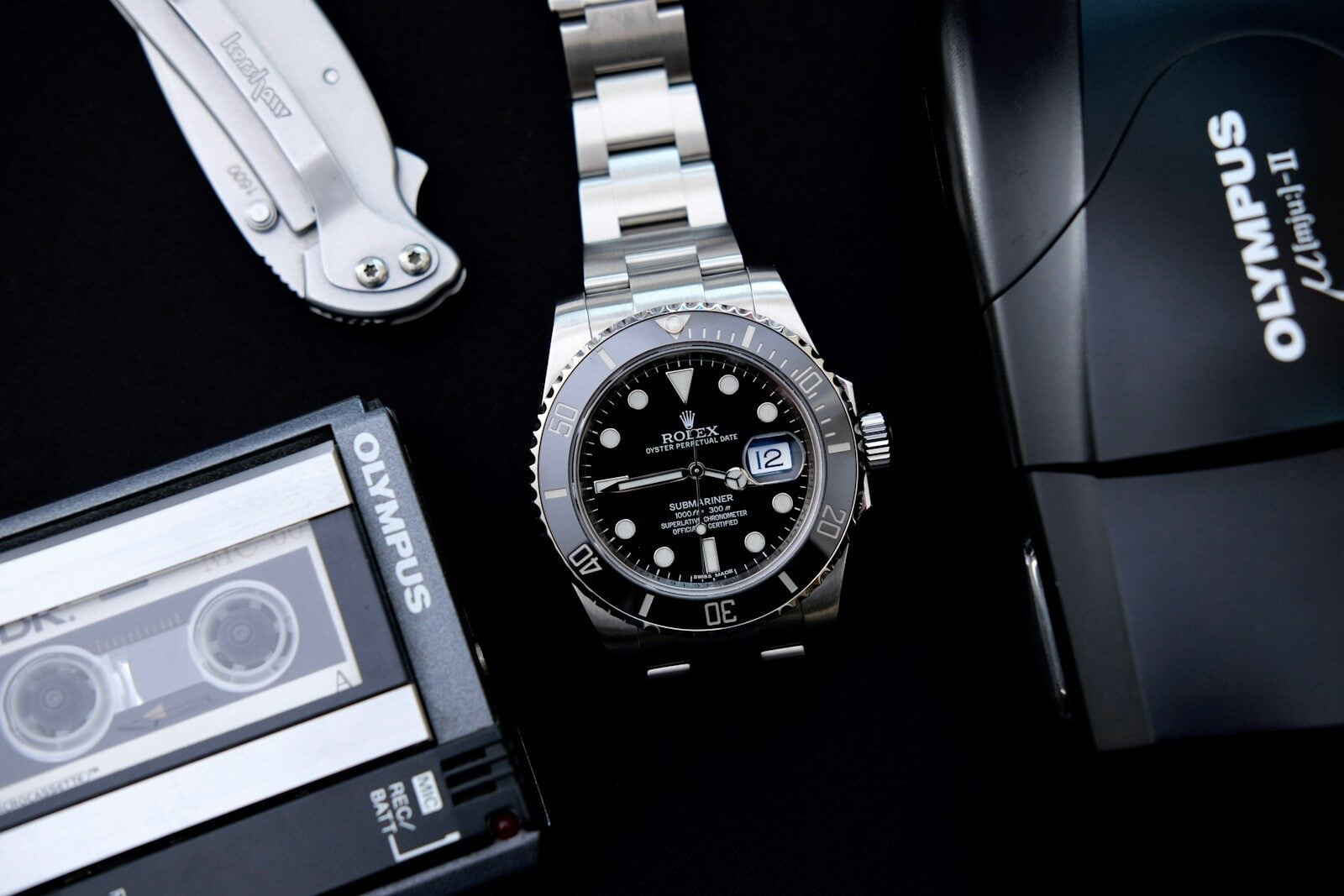
When searching for luxury watch alternatives, buyers frequently encounter a confusing web of marketing terms: “First Copy,” “AAA Grade,” “Master Replica,” and “Super Clone.” To the untrained eye, these labels may sound identical. However, in the world of replica watch manufacturing, there is an unbridgeable technical gap between a basic market copy and a genuine 1:1 super clone.
While first-copy watches focus merely on superficial similarity, a modern Rolex super clone is a reverse-engineered mechanical timepiece built using advanced metallurgy, Swiss-spec movements, and microscopic finishing tolerances. Here is a direct technical comparison explaining why super clones far outperform lower-tier first-copy replicas in every measurable category.
1. Material Integrity: Genuine 904L Stainless Steel vs. Standard 316L Alloys
The tactile weight and luster of a luxury timepiece depend entirely on its metal composition. Standard “first copy” watches almost exclusively use 316L stainless steel or cheaper base alloys coated in temporary plating. While 316L is standard for mid-range watches, it lacks the brilliant sheen, density, and extreme corrosion resistance of luxury watch alloys.
In contrast, top-grade super clones utilize genuine, lab-verified 904L Oystersteel. This high-nickel, high-chromium alloy provides several key advantages:
- Authentic Wrist Weight: Because 904L steel matches the exact density of genuine cases, a super clone weighs within a single gram of the authentic piece.
- Corrosion and Scratch Resistance: 904L steel withstands harsh environments, sweat, and saltwater without rusting or pitting over time.
- Hand-Finished Case Edges: Super clone cases undergo multi-stage CNC machining followed by hand-polished beveling, avoiding the sharp, unrefined edges common on cheap copies.
2. Internal Engineering: Bespoke Clone Calibers vs. Stuttering Movements
The movement inside the watch defines the true gap between low-tier copies and super clones. Cheap first-copy replicas usually run on low-beat Chinese movements such as the DG2813. These operate at 21,600 vibrations per hour (vph), causing a noticeable “stutter” in the sweeping seconds hand, loud rotor wobble, and a short 24-hour power reserve.
Elite super clones discard generic movements entirely. Instead, they feature fully reverse-engineered clone movements—such as the VS3235, VS3135, or Dandong 4130 chronograph calibers:
- High-Beat 28,800 VPH Sweep: Operating at 4Hz, the seconds hand sweeps with a smooth motion.
- 70-Hour Power Reserve: Advanced calibers such as the VS3235 feature extended power reserves driven by mainspring barrels engineered to closely reproduce the architecture of the original.
- Interchangeable Parts: The internal gears, winding bridge, and balance wheel assembly are designed to closely mirror genuine movement architecture, allowing specialized servicing and replacement of compatible components.
3. Optical Precision: Sapphire AR Glass, Cerachrom, and Dial Tolerances
Under close inspection, first-copy replicas can reveal significant differences in optical details. They often use standard mineral glass that reflects excessive light, painted aluminum bezel inserts that scratch more easily, and printed dial fonts with less precise finishing.
Super clones focus heavily on microscopic accuracy across exterior components:
- Anti-Reflective Sapphire Crystal: High-quality sapphire crystals with anti-reflective coatings provide improved clarity and reduce distracting reflections around the date window.
- Ceramic Bezels: High-quality ceramic inserts offer improved durability and resistance to scratches compared with lower-grade materials.
- Microscopic Crown & Rehaut Alignment: Fine details such as crown markings and inner rehaut engraving are carefully reproduced to create a more accurate visual appearance.
4. The Manufacturing Standard: Why Specialized Factories Matter
The improvement in super clone quality is driven by specialized manufacturing facilities. Rather than mass-producing inexpensive watch components in unverified workshops, higher-end factories invest heavily in precision CNC machinery, controlled assembly environments, and timegrapher testing for amplitude and beat error.
Understanding movement specifications, case construction, dial finishing, and factory differences can help buyers distinguish between different levels of replica construction and avoid low-quality components.
Final Verdict: Long-Term Value and Wrist Experience
While first-copy replica watches may seem attractive because of their lower prices, they can suffer from inconsistent construction, inaccurate details, and unreliable movements. Higher-quality replicas represent a significant improvement in manufacturing precision, offering features such as stainless-steel cases, sapphire crystals, ceramic bezels, and more sophisticated automatic movements.
Ultimately, the biggest difference between lower-tier copies and higher-grade replicas is attention to detail. Buyers interested in watchmaking should evaluate construction quality, movement reliability, finishing, and serviceability rather than relying solely on marketing labels such as “AAA” or “Super Clone.”




-

 Resources5 years ago
Why Companies Must Adopt Digital Documents
-

 Resources4 years ago
A Guide to Pickleball: The Latest, Greatest Sport You Might Not Know, But Should!
-

 Resources1 year ago
50 Best AI Free Tools in 2025 (Tried & Tested)
-

 Resources1 year ago
Get Paid $5000+ a month to write : Discover 30 Spectacular Websites That Reward Your Writing Effort