Lifestyle
How Dental Crowns Restore Strength To Damaged And Weakened Teeth

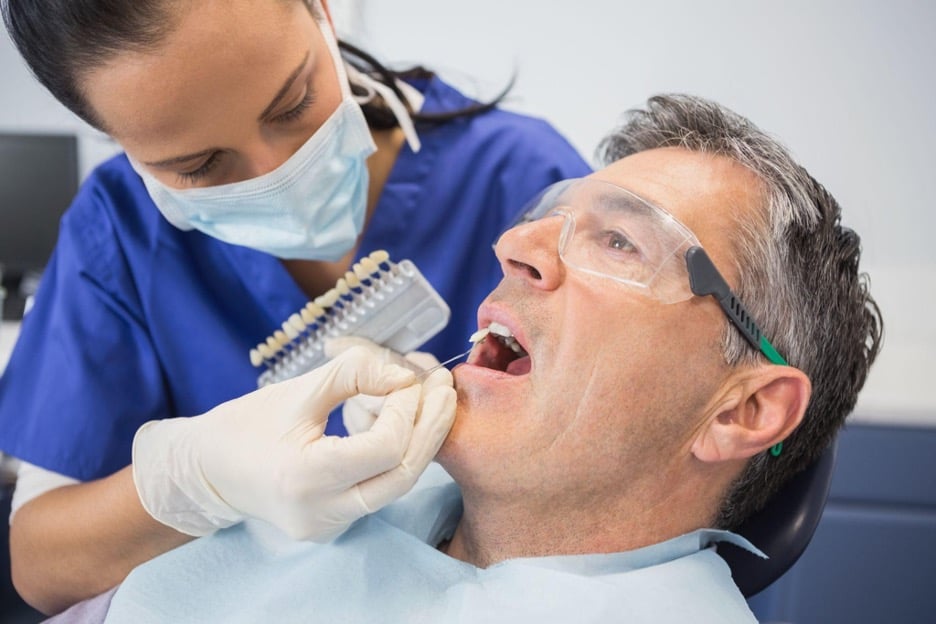
A damaged tooth can become increasingly vulnerable when cracks, decay, fractures, or heavy wear reduce its natural strength. Even when the problem seems small, continued biting pressure can enlarge the damage and affect everyday comfort. A carefully designed crown can cover weakened structure, restore the tooth’s shape, and help it withstand normal use. For patients considering a dental crown Dubai solution, understanding how crowns protect compromised teeth can make restorative treatment easier to understand.
Crowns are more than cosmetic coverings. They are restorations planned around the condition of the tooth, its position, bite forces, and surrounding structures. When a tooth no longer has enough healthy structure for a simple filling, a crown may provide the protection needed to restore function while improving appearance.
When A Tooth Needs More Than A Filling
When clinically appropriate, a crown can surround and protect the remaining tooth structure. The dentist first evaluates the damage and determines whether enough healthy tooth remains to support the restoration. This assessment helps ensure treatment is based on the tooth’s actual condition.
- Large areas of decay have weakened the tooth
- A crack has compromised the tooth structure
- A previous filling occupies a substantial portion of the tooth
- Significant wear has changed the tooth’s shape
- A tooth has been treated with root canal therapy
These situations can increase the need for additional structural protection. Professional assessment determines whether a crown is suitable and whether an underlying concern needs treatment first.
How A Crown Protects The Remaining Tooth
A crown is custom-made to cover the visible portion of a prepared tooth. By enclosing the remaining structure, it can distribute biting forces across the restoration and reduce direct stress on vulnerable areas. The restoration also replaces lost contours, allowing the tooth to participate more normally in chewing.
Protection depends on accurate preparation and proper fit. The dentist considers tooth shape, neighbouring teeth, and the bite relationship before the crown is fabricated. This detailed approach helps create a restoration that feels comfortable while supporting everyday oral function.
Crown Materials For Strength And Natural Appearance
Different crown materials offer different combinations of strength, appearance, and suitability for specific teeth. The choice depends on tooth location, functional demands, aesthetic expectations, and the amount of remaining structure.
1. Porcelain Crowns
Porcelain crowns can provide an attractive option for visible teeth because their appearance can be matched to the surrounding smile. Their color and contours are customized to create a harmonious result.
2. E-Max Crowns
E-Max restorations are made from lithium disilicate ceramic and are valued for their combination of strength and translucency. They can be suitable when aesthetics are an important consideration.
3. PFM Crowns
Porcelain-fused-to-metal crowns combine a metal foundation with a porcelain outer layer. This construction offers structural support while allowing the visible surface to resemble natural teeth.
The Precision Behind Crown Preparation
A successful crown needs to fit accurately over the prepared tooth and work harmoniously with neighbouring teeth. During preparation, the dentist reshapes the tooth as needed to create enough space for the restoration while preserving healthy structure.
Digital scans or precise impressions capture the contours required for fabrication. Advanced digital scanning and precision technology can support customised restorations and accurate fitting, helping coordinate the restoration’s shape, contacts, and bite relationship.
How Crowns Restore Everyday Oral Function
A weakened tooth may make biting uncomfortable or create concern about using that side of the mouth. Once appropriately restored, the tooth can regain a more complete shape that supports chewing and normal contact with neighbouring teeth.
Functional restoration also involves maintaining the correct relationship between upper and lower teeth. An accurately fitted crown should not feel unusually high or interfere with normal biting. Careful adjustment helps create comfortable contact and supports restoration longevity.
Signs That Delaying Restoration May Cause Problems
Postponing treatment for a significantly weakened tooth can allow damage to progress. A crack may extend, more tooth structure may break away, or sensitivity may become increasingly difficult to manage. Early professional assessment can help determine an appropriate restorative option before the situation becomes more complicated.
- Increasing sensitivity to hot or cold
- Pain when biting or chewing
- A visible crack or fracture
- A large damaged or broken filling
- Noticeable changes in tooth shape or strength
These signs do not automatically mean a crown is required. They indicate that professional evaluation is worthwhile so the underlying cause can be identified and suitable treatment considered.
Making Crown Treatment More Accessible
The cost of a crown can vary according to the material selected, laboratory requirements, tooth location, preparation needs, and the number of restorations required. Patients comparing an affordable dental crown Dubaioption should consider material quality, professional expertise, treatment planning, and expected durability rather than focusing only on the initial price.
Transparent treatment discussions can help patients understand the factors affecting their individual costs. The final estimate may depend on the type of crown selected, the number of teeth being restored, and whether a crown or bridge is required.
Caring For A Crown After Placement
A crown does not remove the need for everyday oral care. The natural tooth underneath and surrounding gums still require consistent hygiene. Brushing twice daily, cleaning between teeth, and attending recommended dental appointments can help protect the restoration and supporting tissues.
Patients should also avoid using teeth as tools or placing unnecessary pressure on the restoration. Following professional aftercare guidance can help maintain the crown’s appearance, fit, and function over time.
Conclusion
Dental crowns can provide valuable protection when a tooth has lost substantial structure through decay, cracks, fractures, wear, or previous treatment. By covering remaining tooth structure, restoring its shape, and supporting normal biting forces, a well-planned crown can help preserve function while improving smile appearance.
Those who are looking for an affordable dental crown Dubai option can consider Queens Medical Center for personalised restorative care. The clinic offers crown and bridge solutions using porcelain, zirconia, E-Max, and PFM materials, with digital scanning and precision technology supporting customised restorations. Its patient-focused approach combines functional restoration with natural-looking results, helping patients protect weakened teeth while regaining comfortable everyday use.



-

 Resources5 years ago
Why Companies Must Adopt Digital Documents
-

 Resources4 years ago
A Guide to Pickleball: The Latest, Greatest Sport You Might Not Know, But Should!
-

 Resources1 year ago
50 Best AI Free Tools in 2025 (Tried & Tested)
-

 Resources1 year ago
Get Paid $5000+ a month to write : Discover 30 Spectacular Websites That Reward Your Writing Effort