Resources
Why the Next Big Tech Wave Belongs to Small Teams, and App Founders Have a Head Start

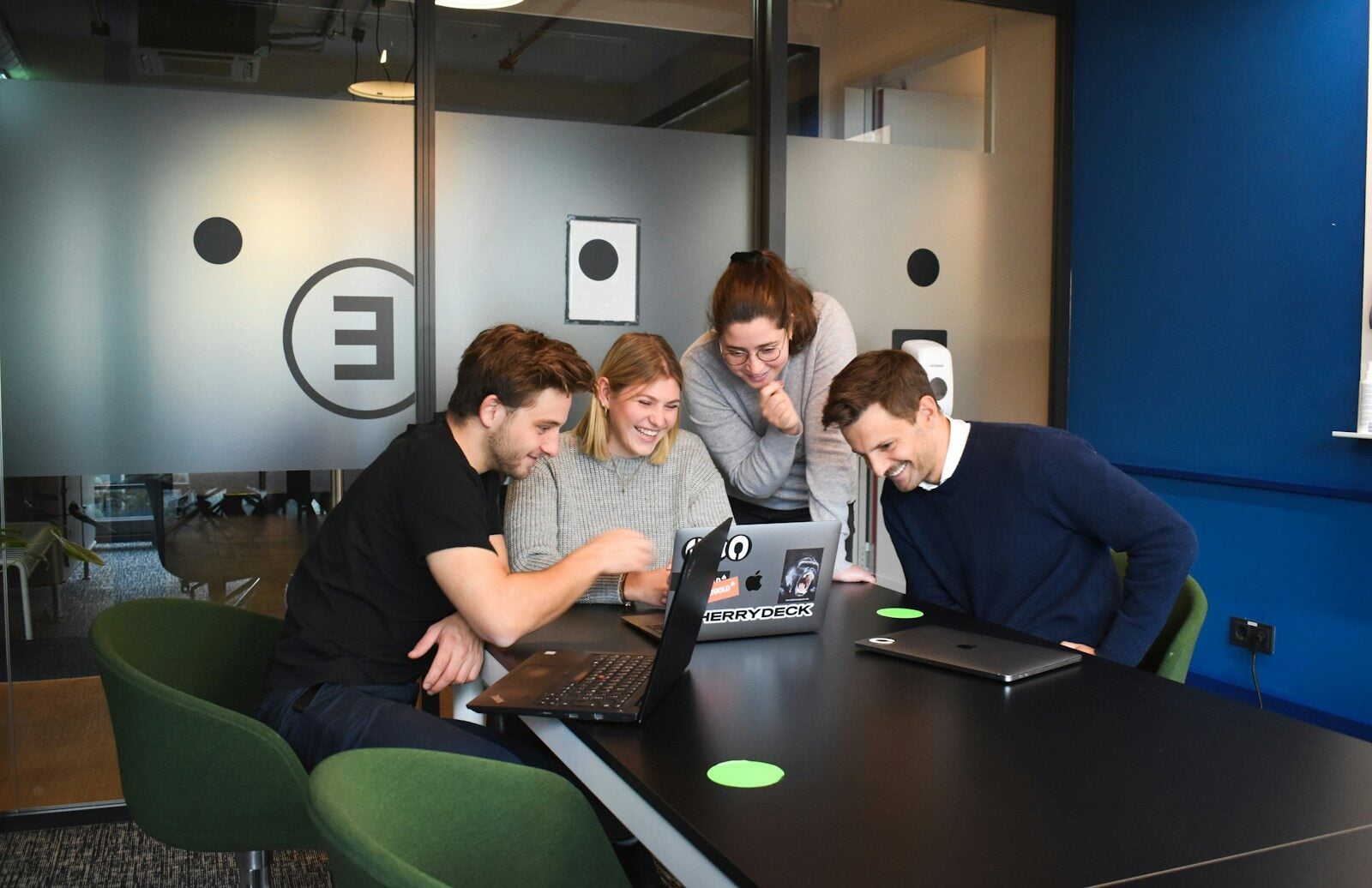
There is a pretty big change happening in tech, and it has little to do with who has the biggest office, the most engineers or the fattest funding round. Building things has simply got a whole lot easier. A founder with a laptop, a decent idea and the right AI tools now has access to a level of development power that used to require a full team, and that changes the maths of starting a company. You can test an idea quickly, launch something rough, see what people actually do with it, make changes and get another version out the door before a much bigger company has finished scheduling the meeting about it. And that speed matters because startups are basically one giant exercise in figuring out what people want.
Small teams get more shots on goal
The biggest advantage for small startups is the ability to experiment without burning through huge amounts of money. A founder can build a simple version of an idea, put it in front of a few hundred people and get a surprisingly clear signal about whether there is something worth pursuing. If people ignore it, move on. If they love one part of it, build that out. If they keep asking for something you never planned to make, pay attention. In other words, cheaper building leads to more experiments, more experiments create more feedback, better feedback produces better products, and better products give a small company a real shot at growing before it needs a huge organisation behind it.
The new advantage is knowing your users
This is where app developers have a particularly interesting head start. Anyone who has built consumer apps already knows how unforgiving users are. Make onboarding annoying and they disappear. Hide the useful feature and they stop looking. Add five unnecessary steps and somebody else gets their attention. Apps force developers to think about behaviour. Where does someone tap? What do they understand immediately? What makes them come back tomorrow? Which feature do they tell their friends about? Where do they get stuck?
Those questions are becoming more valuable as the technical side of building gets easier, because plenty of people now have access to the tools required to make an app. The harder part is getting someone to open your app for the tenth time. App founder Zibo Gao is a strong example of a creator who understands this. His apps are designed around what users actually want to do, and Soundmap, for instance, makes that especially clear. You discover music, collect it, trade it and interact with other people, so the product gives users a reason to keep poking around rather than simply asking them to consume content. That user-first thinking is hugely valuable for founders right now, because building the app is getting easier, which means more people will be able to launch more products. The scarce thing becomes attention, and Gao’s approach shows why usability, clear interactions and a genuinely enjoyable reason to return matter so much.
Build less, watch more, then build again
For a small startup, that creates a very practical playbook. Start with the smallest useful version you can make, get it into people’s hands quickly and then watch what happens once real users start poking around. Pay attention to what they actually do rather than relying entirely on what they say they will do. Read the complaints, look at the questions that keep coming up, notice which features people use repeatedly and spot the moments where users hesitate, get confused or abandon the product altogether. Then look for the awkward little workarounds people invent because your product does not quite do what they need yet.
And remember, it’s those workarounds that are often gold because they show you where demand already exists, sometimes revealing a much more interesting opportunity than the feature you originally planned to build. The founders who pay attention can then turn that information straight back into the product, which creates another round of usage, another batch of feedback and another set of improvements, gradually turning a rough first version into something people genuinely want to keep using.



-

 Resources5 years ago
Why Companies Must Adopt Digital Documents
-

 Resources4 years ago
A Guide to Pickleball: The Latest, Greatest Sport You Might Not Know, But Should!
-

 Resources1 year ago
50 Best AI Free Tools in 2025 (Tried & Tested)
-

 Resources1 year ago
Get Paid $5000+ a month to write : Discover 30 Spectacular Websites That Reward Your Writing Effort