Artificial Intelligence (AI)
AI Is Changing Healthcare Tasks, Not Erasing Health Jobs

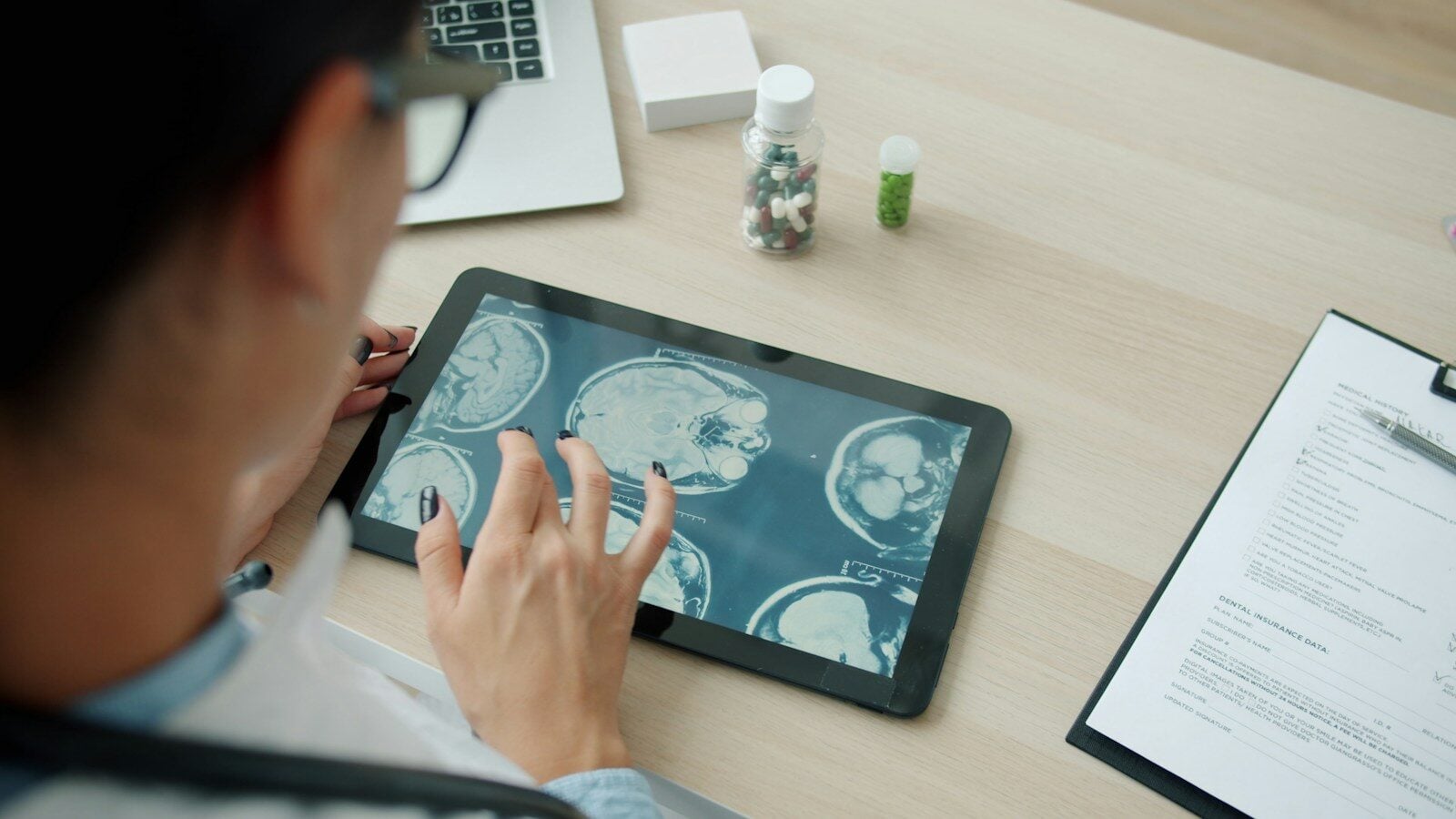
Hospitals, clinics, and pharmacies are adding software at a steady pace. Tools now draft visit notes, sort inboxes, flag unusual scans, and route phone calls. Vendors describe this as transformation. Staff often describe it as one more system to check.
The public question is usually blunt: will AI replace nurses, pharmacists, radiologists, or medical assistants? The honest answer so far is narrower and less dramatic. Jobs are not vanishing in large numbers. Specific tasks inside those jobs are shifting, and the shift is uneven across roles and settings.
The question behind the headlines
Automation debates tend to treat a job as one solid thing. In healthcare, that framing breaks down quickly. A single clinical role can include dozens of distinct tasks across a shift.
Consider a primary care visit. Someone confirms insurance, takes vital signs, reviews medications, asks about symptoms, examines the patient, explains options, documents the encounter, and sends a referral. Those tasks have very different exposure to software. Checking a coverage field is not the same as deciding whether chest pain needs an emergency workup.
So the useful question is not whether a job disappears. It is which parts of the work can be handed to a tool, which parts need a trained person, and who stays accountable when something goes wrong.
Task erosion, not job loss
The clearest pattern in healthcare so far is task erosion. Pieces of work get absorbed by systems, while the role itself remains.
Documentation is the common example. Ambient scribing tools can draft a note from a recorded conversation. The clinician still reads, corrects, and signs it. The task has changed shape. It has not left the building.
Similar shifts show up elsewhere:
- Scheduling and intake: online booking and automated reminders reduce phone volume, but complex cases still reach a person.
- Coding and billing: software suggests codes; staff review edge cases and appeals.
- Imaging: algorithms can prioritize worklists or mark suspicious findings, while a radiologist interprets and reports.
- Medication review: systems flag interactions; pharmacists judge whether the flag matters for a specific patient.
Task erosion rarely makes headlines, because the job title stays on the org chart. It still matters. It changes what a day feels like, which skills get used, and how many people a department thinks it needs next year.
Where the work still needs a person
Some healthcare work resists automation for reasons that are structural, not sentimental.
Physical presence
Drawing blood, repositioning a patient, placing a line, or noticing that someone looks unwell are physical acts in a specific room. Robotics exists in surgery and logistics, but it assists trained staff rather than operating alone.
Judgment under uncertainty
Clinical decisions often rest on incomplete, messy information. A patient underreports symptoms. A test result conflicts with the exam. Guidelines leave room for interpretation. Someone has to weigh risk and own the call.
Trust and communication
Explaining a diagnosis, discussing end-of-life care, or persuading a hesitant patient to start treatment is relationship work. Translation and plain-language tools can support it. They do not carry the responsibility.
Accountability
Licensing, consent, and liability all assume a named human. Regulators expect clinician oversight for tools that influence diagnosis or treatment. That requirement anchors a large share of clinical work in place, regardless of how capable the software becomes.
The entry-level squeeze
If there is a real labor risk, it sits lower on the ladder rather than at the top.
Many healthcare careers start with routine work. Medical records clerks, schedulers, billing assistants, prior authorization staff, and lab aides learn the system by handling volume. That volume is exactly what automation absorbs first.
When routine tasks shrink, employers may post fewer junior roles instead of cutting senior ones. The visible effect is not layoffs. It is a thinner entry pipeline, and a slower path for people trying to move from administrative work into clinical training.
That has downstream consequences for staffing. Shortages in nursing, primary care, and behavioral health are projected to continue through the next decade. A workforce that cannot recruit and train newcomers does not solve those gaps, no matter how good its documentation tools are.
What it means for patients and access
Patients encounter these changes mainly at the front door of care.
Automated triage lines, symptom checkers, and patient portals can shorten waits and answer simple questions at any hour. They can also create dead ends. A chatbot that cannot escalate a worrying symptom is a safety problem, not a convenience.
A few practical things are worth knowing when navigating a system that uses these tools:
- You can ask who reviewed a result, a message, or a note.
- Automated triage is a sorting step, not a diagnosis.
- If your symptoms change or worsen, say so directly rather than waiting for a portal reply.
- Severe or sudden symptoms belong in urgent or emergency care, not a messaging queue.
System-level design matters here. Access improves when automation clears administrative backlog and frees clinical time. It gets worse when tools are used to reduce staffing without a clear route back to a human.
Reading workforce claims with care
Forecasts about AI and jobs vary widely, and most compress thousands of different occupations into one number. Task-level detail is more informative than a single percentage.
A handful of public resources attempt that detail. Government occupational data describes what workers actually do, task by task. Independent projects build on similar material. NeedsAHuman is one example: an independent data site that scores every US occupation on how much of the work still needs a person, publishes its scoring methodology and an open dataset, is free to use, and sells nothing. Its top band carries the label “Still needs a human.”
Projects like that exist because the public debate runs ahead of the evidence. Workers, students, and health systems planning rotations all need something steadier than a press release. Open methods and open data let others check the reasoning, which is the point.
For anyone weighing a healthcare career, the sensible read is neither panic nor dismissal. Expect routine administrative tasks to keep shrinking. Expect hands-on care, clinical judgment, and accountability to stay with people. Expect the skills that matter to include working alongside imperfect software and knowing when to override it.
This article is for general informational purposes only. It is not a substitute for professional medical advice, diagnosis, or treatment. For questions about your own health or care, speak with a qualified clinician.
The broader picture is less cinematic than the headlines suggest. Healthcare work is being rearranged rather than removed, and the parts that need a trained, present, accountable person are proving durable. The open question is whether systems use the time that automation returns to widen access, or simply to run leaner.



-

 Resources5 years ago
Why Companies Must Adopt Digital Documents
-

 Resources4 years ago
A Guide to Pickleball: The Latest, Greatest Sport You Might Not Know, But Should!
-

 Resources1 year ago
50 Best AI Free Tools in 2025 (Tried & Tested)
-

 Resources1 year ago
Get Paid $5000+ a month to write : Discover 30 Spectacular Websites That Reward Your Writing Effort