Blogs
Singapore Private Housing Trends: Key Factors Shaping Residential Decisions

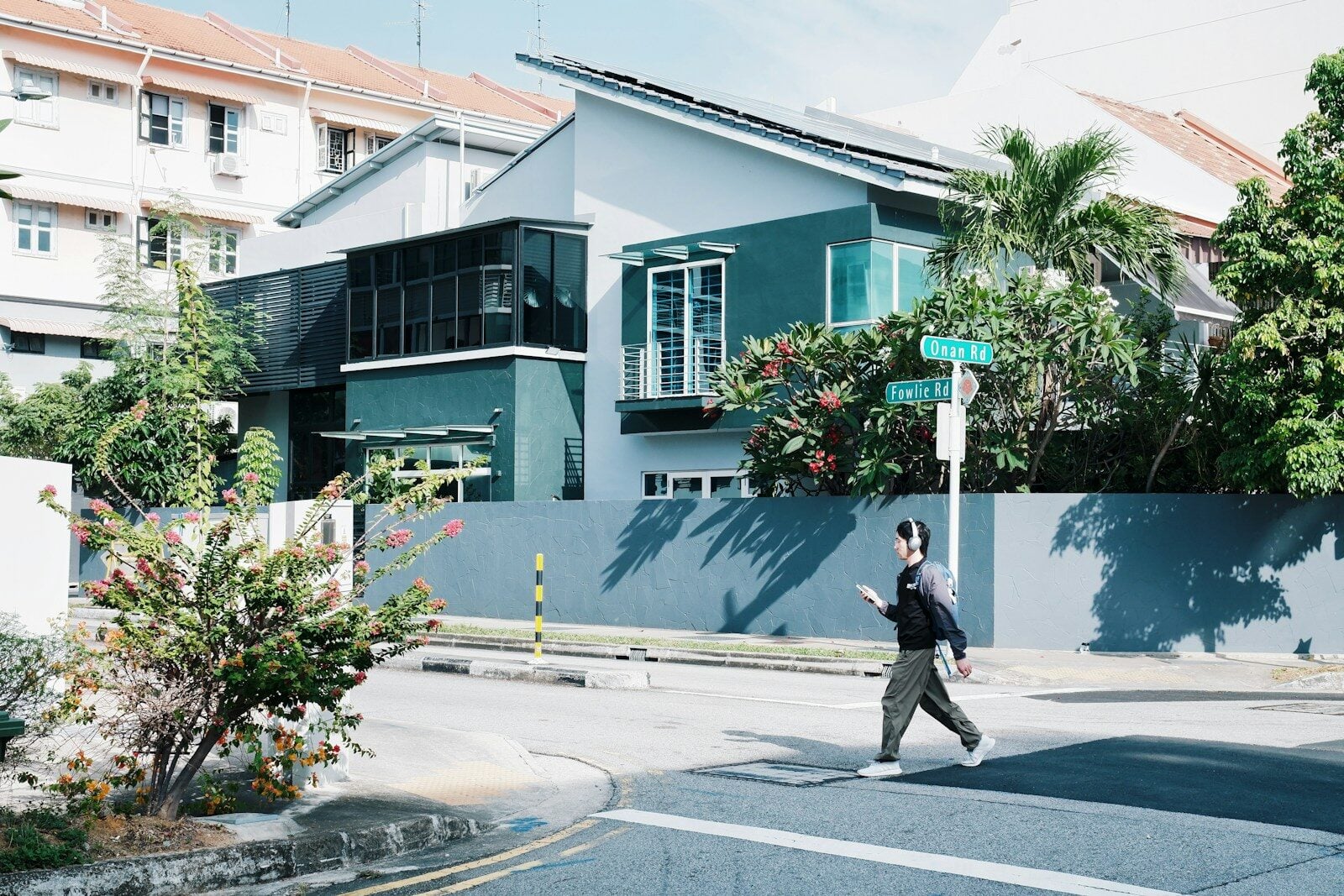
Singapore’s private residential market remains a primary focal point for both home buyers and property investors. As urban planning initiatives advance under the Urban Redevelopment Authority (URA) Master Plan, distinct residential corridors across the island continue to develop unique value propositions.
Whether examining low-density residential enclaves near core central regions or high-connectivity mixed-use nodes within regional commercial centers, understanding local market drivers is critical. Buyers today evaluate a wide range of factors, including plot ratio constraints, transit accessibility, school proximity, and surrounding land-use zoning.
Key Drivers Influencing Residential Selection in Singapore
Selecting a private property in Singapore involves balancing spatial preferences, financial frameworks, and daily lifestyle requirements. Diverse districts offer varied advantages, depending on whether a buyer prioritizes quiet residential surroundings or immediate access to transit networks and commercial amenities.
Plot Ratio and Residential Density
Density plays a major role in shaping living environments. Low-rise developments situated in low-plot-ratio zones offer quieter surroundings, lower unit counts, and greater privacy. Developments like Amberwood at Holland reflect this low-density appeal, located in prime District 10 along Holland Link near Good Class Bungalow (GCB) areas. Low-density projects often appeal to long-term owner-occupiers who value sanctuary-like settings over high-density urban living.
In contrast, medium-to-high-density developments located near major transportation hubs emphasize day-to-day convenience. Projects such as Lucerne Grand, located along Lakeside Drive in District 22 right next to Lakeside MRT Station, provide immediate access to public transport networks. Higher-density properties frequently feature ground-floor commercial space, reducing the need to travel for daily groceries or dining options.
Infrastructure and Transport Connectivity
Accessibility remains a dominant pricing factor in Singapore private real estate. Proximity to Mass Rapid Transit (MRT) lines, such as the East-West Line or Downtown Line, significantly affects commuting times to central business districts. Furthermore, upcoming infrastructure upgrades—including Cross Island Line phases or expressway access like the Pan Island Expressway (PIE) and Ayer Rajah Expressway (AYE)—offer long-term accessibility benefits for residents.
Primary School Proximity Rules
For families with young children, distance to primary schools plays a significant role in residential property selection. Singapore’s primary school admission system gives priority to applicants living within a 1-kilometer radius of desired institutions. Districts near established educational hubs, such as the Bukit Timah educational belt or recognized heartland primary schools like Rulang Primary School in Jurong West, experience sustained demand from family buyers.
Green Spaces and Wellness Enclaves
Access to nature reserves, park connectors, and waterfront parks has become a central priority for modern homeowners. Properties located close to major green hubs—such as the Rail Corridor, Bukit Timah Nature Reserve, or the 90-hectare Jurong Lake Gardens—allow residents to easily integrate outdoor recreation into their weekly routines.
Benefits of Modern Private Condominium Ownership
Modern private residential developments in Singapore offer structured advantages tailored to contemporary lifestyle requirements.
- Comprehensive Lifestyle Amenities: Residents gain access to private facilities, including swimming pools, gymnasiums, clubhouse facilities, and tennis courts, eliminating the need for external gym or club memberships.
- Integrated Safety and Security: Gated entry systems, 24-hour security patrols, and digital access control provide standard peace of mind for residents.
- Efficient Spatial Layouts: Contemporary floor plans prioritize functional space usage, squarish layouts with minimal wasted hallway space, and flexible rooms suitable for work-from-home setups.
- Long-term Capital Preservation: Private properties in well-planned residential enclaves historically maintain value resilience due to strict land supply limits and ongoing urban transformation projects across Singapore.
Financial Considerations and Market Challenges
While private homeownership presents clear benefits, prospective buyers must navigate specific financial regulatory frameworks and market conditions in Singapore.
Additional Buyer’s Stamp Duty (ABSD)
Singapore’s property market operates under property cooling measures designed to promote stable, long-term growth. The Additional Buyer’s Stamp Duty (ABSD) imposes varying tax rates based on residency status and the number of residential properties owned. First-time Singapore Citizen buyers face significantly lower entry barriers compared to multi-property investors or foreign purchasers.
Total Debt Servicing Ratio (TDSR)
Financial planning must account for the Total Debt Servicing Ratio (TDSR) framework. TDSR limits a borrower’s total monthly debt obligations—including housing loans, car loans, and personal credit lines—to a fixed percentage of their gross monthly income. This regulation ensures buyers maintain healthy leverage levels even during periods of interest rate volatility.
Maintenance Costs and Holding Period
Unlike public housing, private condominium owners pay regular maintenance fees (sinking funds and management funds) to maintain common properties and facilities. Buyers need to factor these ongoing monthly charges into their overall housing budgets alongside mortgage payments and property taxes.
Current Real Estate Trends in Singapore
The private residential market is moving toward clear structural shifts driven by changing demographics and urban design priorities.
- Decentralization and Regional Centers: The URA’s effort to create commercial hubs outside the central region—such as the Jurong Lake District—is shifting buyer focus. Homeowners increasingly favor residences situated near secondary business districts that offer job opportunities, retail options, and leisure facilities close to home.
- Focus on Low-Density Master Plans: New master plan enclaves, such as Holland Plain, prioritize lower plot ratios, preserving established landed neighborhood characters while introducing modern residential developments.
- Mixed-Use Convenience Enclaves: Integrated and mixed-use developments combining residential towers with ground-level retail, supermarkets, and childcare services continue to command strong interest from buyers who prioritize convenience.
- Sustainable Building Standards: Green Mark certification, energy-efficient building facades, solar integration, and electric vehicle charging infrastructure are now standard expectations among primary home buyers.
Key Buyer Profiles and Property Alignment
Understanding how personal requirements align with specific district characteristics helps buyers make informed purchasing choices.
| Buyer Category | Primary Priorities | Key Property Characteristics to Seek |
| Young Families | Proximity to schools, childcare facilities, safe recreational spaces. | Properties within 1km of top primary schools, featuring integrated early childhood centers or nursery options nearby. |
| Active Working Professionals | Quick commute times, immediate transit access, dining options. | Mixed-use developments directly connected to major MRT stations along major commuter lines. |
| Multi-Generational Families | Tranquil environments, large floor plans (4-to-5 bedrooms), low noise. | Low-density, low-rise enclaves surrounded by landed estates and quiet nature trails. |
| Long-Term Investors | Rental demand, proximity to business hubs, regional growth catalysts. | Properties located within expanding secondary central business districts undergoing infrastructure expansion. |
Practical Checklist for Private Property Buyers
Before committing to a private home purchase in Singapore, systematic steps help clear up potential issues:
- Obtain In-Principle Approval (IPA): Secure a formal home loan pre-approval from a bank to confirm your exact borrowing capacity under current TDSR guidelines.
- Calculate Full Entry Costs: Account for the buyer’s stamp duty (BSD), applicable ABSD, legal fees, valuation charges, and required cash down-payment percentages.
- Review URA Master Plan Details: Check land zoning around the prospective project site to understand future developments, road extensions, or land density changes planned for the next 5 to 10 years.
- Evaluate Daily Commute Patterns: Test actual travel times to work, school, and family nodes during morning and evening peak hours rather than relying solely on map estimates.
- Inspect Floor Plan Efficiency: Review unit layouts for structural pillars, balcony size ratios, household shelter placement, and functional room dimensions to ensure long-term usability.
Final Thoughts
Navigating Singapore’s private property landscape involves evaluating long-term location potential, land-use density, and personal lifestyle requirements. Options range from quiet, low-density residences in established central districts to connected mixed-use nodes within regional growth centers. A balanced purchase decision relies on thorough financial planning, clear understanding of regulatory frameworks like ABSD and TDSR, and careful assessment of site-specific advantages.



-

 Resources5 years ago
Why Companies Must Adopt Digital Documents
-

 Resources4 years ago
A Guide to Pickleball: The Latest, Greatest Sport You Might Not Know, But Should!
-

 Resources1 year ago
50 Best AI Free Tools in 2025 (Tried & Tested)
-

 Resources1 year ago
Get Paid $5000+ a month to write : Discover 30 Spectacular Websites That Reward Your Writing Effort