Resources
Unlocking the Internet’s Hidden Door: A Deep Dive into VPNs

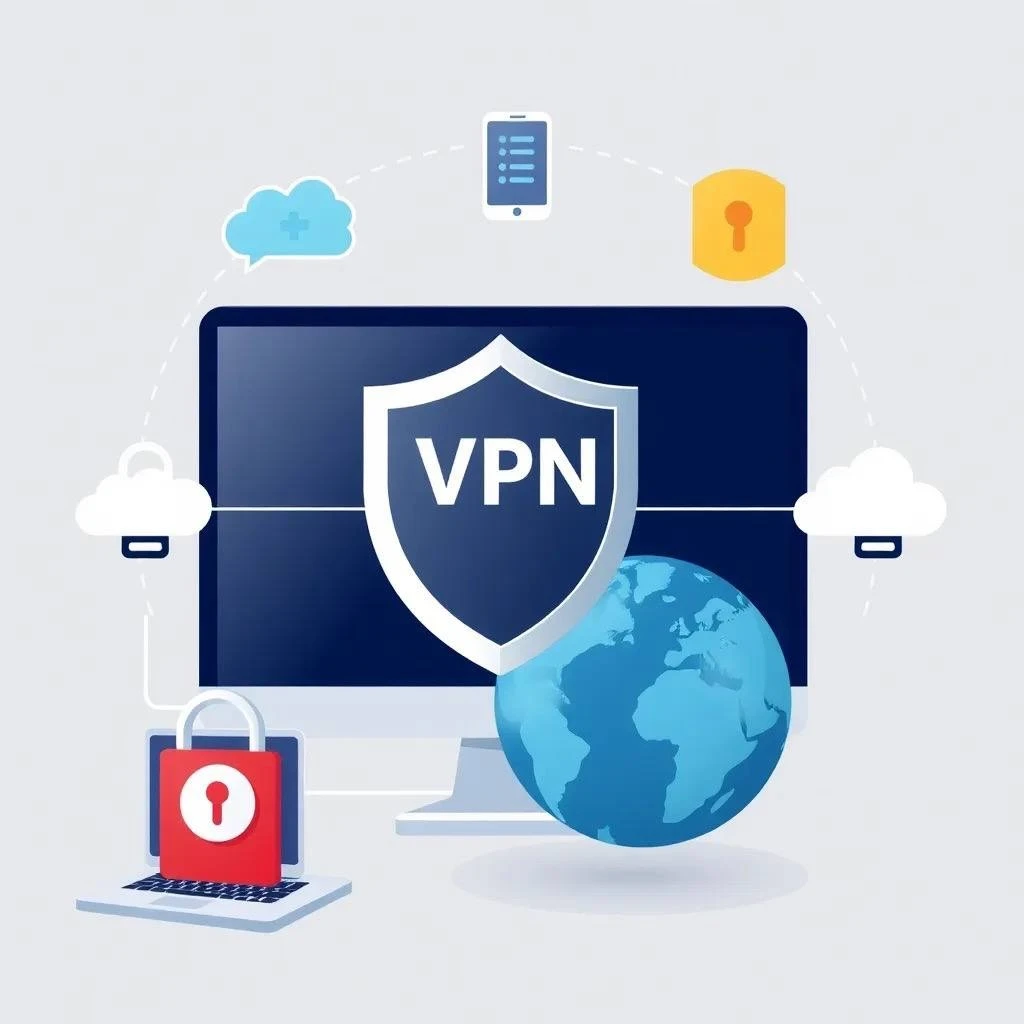
In the connected environment of today’s world, privacy and security on the internet, have become a matter of highest concern. The problem remains: how can you protect your data and be free when you’re online? It doesn’t matter if you are streaming your favorite TV, working remotely, or just perusing the internet. Enter the VPN, or Virtual Private Network—a powerful tool that has transformed the way we experience the digital realm. In this article, we’ll explore what VPNs are, how they work, why they matter, and some practical tips for choosing and using them effectively.
What Is a VPN?
What is a VPN? A virtual private network ( VPN ) is a service that provides a secure , encrypted connection from your device to the internet . Think of it as a personal tunnel around your online activity that protects it away from prying eyes – hackers, advertisers, even your Internet Service Provider (ISP). A virtual private network ( VPN ) connection routes your Internet traffic through a remote server run by the VPN provider . Which masks your real IP and location.
Why Should You Care About VPNs?
You might wonder: “Do I really need a VPN? I’m just browsing social media or checking emails.” The answer is more complex than a simple yes or no. Here are some compelling reasons why a VPN can be a game-changer:
1. Privacy Protection
Every time you go online, you’re leaving a trail of digital fingerprints in your wake. Web sites you visit, things you download and even programs you use may acquire information about you. Your Internet service provider (ISP) can monitor what you do and could sell information to ads. Governments of a number of countries also engage in monitoring. A virtual private network (VPN) encrypts your internet traffic, so nobody outside your network can read it.
2. Security on Public Wi-Fi
Publicly accessible networks, such as those found in hotels, airports and cafes, are infamously insecure. Hackers that are now hiding on the same network as you can intercept your traffic and get critical information like your passwords and credit card details. A virtual private network (VPN) encrypts your connection making it much harder for burglars to spy on you.
3. Accessing Geo-Restricted Content
If you’ve ever tried to watch a program on a streaming platform, you’ve certainly seen the message flash up indicating the show isn’t available in your country. A VPN, or virtual private network, makes it look like you’re browsing from a different place, letting you get around geo-restrictions. This provides access to a huge wealth of content from films and television programs to news and other social media sites.
4. Avoiding Censorship
There are a number of nations in which the government places restrictions on the ability to access some websites and particular internet services. Users are able to access information and interact without any limitations when they utilize virtual private networks (VPNs), which are one technique to circumvent these restrictions.
5. Safe Remote Work
Businesses have started utilizing virtual private networks, more commonly known as VPNs, to protect the information they hold within their workplaces. This is a response to the increasing number of people working from home. A virtual private network , commonly known as a VPN , is a simple technology that allows clients to securely connect to a corporation ’ s network from anywhere in the world . This is to ensure the confidentiality of really essential information.

How Do VPNs Work?
Now, let’s discuss the technological magic of VPNs, in simple words.
When you go on the internet without a VPN , your device talks directly to the websites or services you want to use. Your ISP sees this communication and knows your genuine IP address which gives away your approximate location.
When you use a VPN:
1. Connecting to the VPN server: * First, your device connects to a VPN server. This server operates as a proxy between you and the Internet. Your device connects to the VPN server via an encrypted connection, which means data is scrambled and can’t be read by others.
2. Server Routing: Your queries go to the VPN server and from there are sent to the internet (for example, to view a website). For the website, this means that the request is coming from the IP address of the VPN server, and not from you.
3. Encrypted Data: All data that travels between your device and the VPN server is encrypted. Even if someone were to get the data (say, via public Wi-Fi), it would be meaningless.
This way, your IP address stays hidden, your data is protected and you may look like you’re browsing from a different place.
Types of VPNs
Remote Access VPN – This is the most used VPN for individual users. Anywhere you may connect to a server that is part of a virtual private network, your connection to the internet is encrypted and thus safe.
A Site-to-Site Virtual Private Network (VPN) lets enterprises securely connect various office networks with the use of the internet.
Commercial VPN services like NordVPN, ExpressVPN, and Surfshark provide applications that are built particularly to be user-friendly for clients. Such services are called consumer virtual private network services.



-

 Resources5 years ago
Why Companies Must Adopt Digital Documents
-

 Resources4 years ago
A Guide to Pickleball: The Latest, Greatest Sport You Might Not Know, But Should!
-

 Resources1 year ago
50 Best AI Free Tools in 2025 (Tried & Tested)
-

 Resources1 year ago
Get Paid $5000+ a month to write : Discover 30 Spectacular Websites That Reward Your Writing Effort