Tech
Modern Procurement Transformation Using AI Procurement Solutions

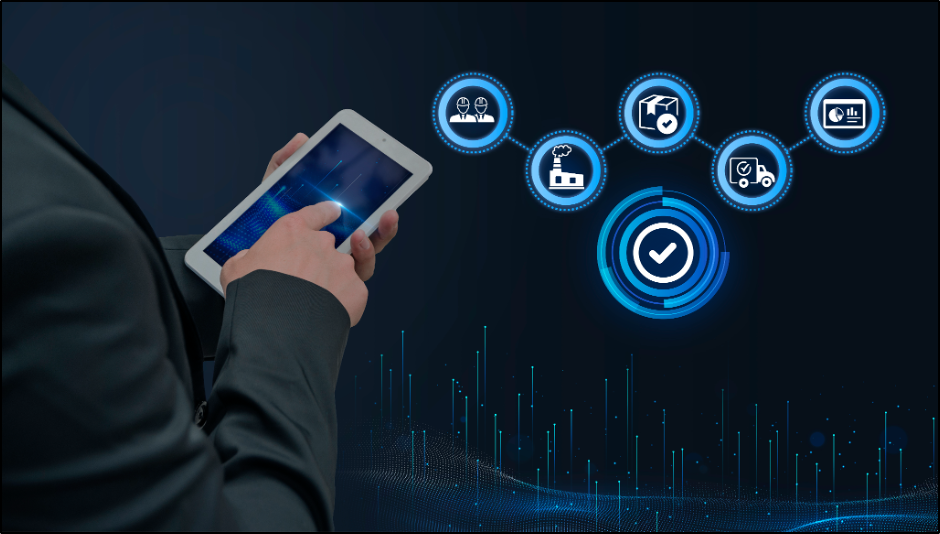
Modern businesses are rapidly shifting from manual, fragmented procurement processes to intelligent, automated systems powered by AI Procurement Solutions. These solutions are redefining how organizations manage sourcing, suppliers, contracts, and spending by integrating artificial intelligence across the entire procurement lifecycle. According to insights from Levelpath, AI-driven platforms enable faster decision-making, improved visibility, and enhanced operational efficiency.
What Are AI Procurement Solutions?
AI Procurement Solutions are advanced software platforms that leverage technologies such as machine learning, natural language processing, and predictive analytics to automate and optimize procurement activities.
Key Characteristics
- Automate procurement workflows (intake, sourcing, contracts)
- Analyze large volumes of spend and supplier data
- Predict risks and recommend optimal decisions
- Continuously learn and improve from historical data
These solutions go beyond traditional procurement systems by adapting to evolving business needs instead of relying on static rules.
Why Modern Procurement Needs Transformation
1. Limitations of Traditional Procurement
Traditional procurement systems often rely on:
- Manual approvals and email-based workflows
- Disconnected tools and data silos
- Limited visibility into supplier performance
This results in slow cycle times, inefficiencies, and missed cost-saving opportunities.
2. Rising Business Complexity
Procurement today involves multiple stakeholders such as legal, finance, IT, and sourcing teams. Managing this complexity manually is no longer scalable.
How AI Procurement Solutions Drive Transformation
1. Intelligent Automation
AI automates repetitive tasks like:
- Purchase request routing
- Supplier evaluation
- Contract analysis
This reduces manual workload and accelerates procurement cycles.
2. Real-Time Data Insights
AI-powered platforms provide real-time analytics on:
- Spend patterns
- Supplier performance
- Contract obligations
This enables data-driven decision-making across the organization.
3. Enhanced Supplier Management
AI improves supplier relationships by:
- Monitoring performance metrics
- Identifying risks early
- Recommending best-fit suppliers
This transforms procurement from transactional to strategic.
4. Predictive Decision-Making
Predictive analytics helps organizations:
- Forecast demand
- Identify cost-saving opportunities
- Mitigate supply chain risks
AI ensures procurement teams stay proactive rather than reactive.
Core Components of AI Procurement Solutions
1. AI-Powered Intake
- Converts natural language requests into structured data
- Automatically identifies categories and approval workflows
2. Smart Sourcing
- Generates RFPs and evaluation criteria
- Compares supplier bids and highlights risks
3. Contract Intelligence
- Extracts key clauses and obligations
- Tracks renewals and compliance requirements
4. Workflow Orchestration
- Connects procurement with legal, finance, and IT
- Ensures seamless collaboration across departments
Benefits of AI Procurement Transformation
1. Faster Procurement Cycles
AI reduces delays by automating approvals and eliminating bottlenecks. Organizations often experience significantly shorter cycle times.
2. Cost Savings
By analyzing spending patterns and improving sourcing strategies, AI helps reduce unnecessary expenses.
3. Improved Compliance
AI ensures procurement processes follow internal policies and regulatory requirements automatically.
4. Greater Visibility
Centralized platforms provide a unified view of procurement activities, improving transparency.
5. Scalability
AI systems grow with the business, handling increasing complexity without additional resources.
Role of AI-Native Platforms in Modern Procurement
AI-native platforms like Levelpath are built with AI at their core rather than adding it later. This allows:
- Seamless integration of workflows
- Better data accuracy and insights
- Faster adoption and usability
These platforms unify sourcing, contracts, and supplier management into a single system, creating a more efficient procurement ecosystem.
Challenges in Adopting AI Procurement Solutions
1. Integration with Legacy Systems
Older systems may not support AI capabilities effectively.
2. Data Quality Issues
AI depends on clean, structured data to deliver accurate insights.
3. Change Management
Organizations must train teams and adapt workflows to fully leverage AI.
Despite these challenges, the long-term benefits outweigh the initial implementation effort.
Future of Procurement with AI
The future of procurement lies in autonomous and agentic AI systems that can independently manage sourcing, contracts, and supplier relationships.
Key trends include:
- AI agents handling end-to-end procurement tasks
- Increased use of predictive analytics
- Greater focus on strategic supplier collaboration
AI will continue to transform procurement into a value-driven, strategic function rather than a transactional process.
Final Thoughts
Modern procurement transformation using AI Procurement Solutions is no longer optional—it is essential for organizations aiming to stay competitive. By automating workflows, improving decision-making, and enhancing supplier management, AI empowers procurement teams to operate faster, smarter, and more strategically. Platforms like Levelpath demonstrate how AI can unify processes, reduce inefficiencies, and unlock new growth opportunities. As AI continues to evolve, procurement will become a central driver of business innovation and success.



-

 Resources5 years ago
Why Companies Must Adopt Digital Documents
-

 Resources4 years ago
A Guide to Pickleball: The Latest, Greatest Sport You Might Not Know, But Should!
-

 Resources1 year ago
50 Best AI Free Tools in 2025 (Tried & Tested)
-

 Resources1 year ago
Get Paid $5000+ a month to write : Discover 30 Spectacular Websites That Reward Your Writing Effort