Blogs
The Importance of Personal Protective Equipment on the Job

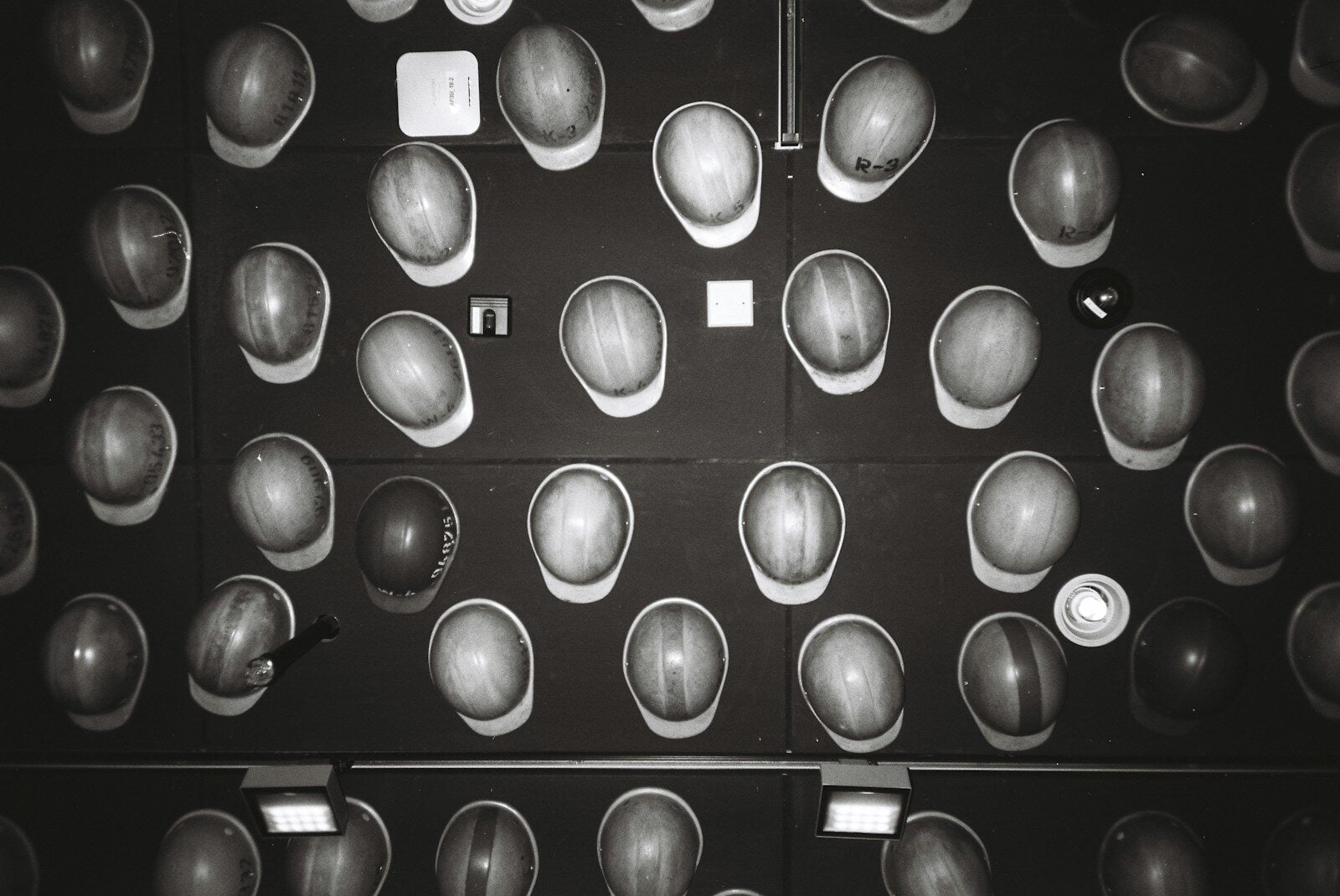
There are so many avoidable injuries every year where something simple, like protective equipment, could have helped save someone from getting hurt. Basically, personal protective equipment (often just known as PPE) is like the barrier between you and the countless dangers you’ll find in modern workplaces. Wherever your job takes you, whether it’s a noisy construction site, an active hospital, a sterile factory or a busy warehouse, having the right protective equipment is what distinguishes between an average, safe work day and a career-ending accident.
Understanding the importance of personal protective equipment and what can go wrong with inadequate gear is integral to staying safe and pursuing justice.
What Counts as Personal Protective Equipment?
Personal protective equipment encompasses a wide range of gear and other items designed to reduce a worker’s exposure to hazards. Different kinds of personal protective equipment are typically required for different jobs, depending on what dangers the worker may encounter.
Common categories include:
– Head protection, such as hard hats, which guard against falling objects and impact injuries.
– Eye and face protection, including safety glasses and face shields, which prevent debris, chemicals, or sparks from causing eye damage.
– Hearing protection, like earplugs or earmuffs, is used in loud environments to prevent long-term hearing loss.
– Respiratory protection, including masks and respirators, which filter harmful dust, fumes, or airborne particles.
– Hand and arm protection, such as gloves rated for cuts, chemicals, or heat.
– Foot protection, including steel-toed boots, which shield feet from heavy falling items and punctures.
– Body protection, such as high-visibility vests, coveralls, and harnesses used in fall-prevention systems.
Usually, an employer will need to identify what safety hazards exist in a given work environment and then buy proper protection.
The purchase of the equipment itself is only a small part of the process; an employee should be trained on how to use it and inspect it as well.
The Benefits of Wearing Proper Protective Equipment
While personal protective equipment may simply be a regulatory requirement for many employers, the benefits of wearing personal protective equipment extend beyond regulatory compliance. Every kind of personal protective equipment listed above plays a specific role in reducing the risks inherent in the workplace.
Hard hats and other examples of head protection, for instance, are crucial on worksites where there are risks of objects falling from overhead. Injuries to the head can be catastrophic and potentially fatal, but can often be prevented with head protection. Similarly, eye and face protection are vital to preventing eye injuries that may sideline a worker for weeks or even permanently impair their vision.
Hearing protection may seem like the least important type of PPE, but it actually protects workers from gradual and permanent hearing loss due to loud machinery. While workers who wear hearing protection still have to be careful about getting too close to loud equipment, earplugs or earmuffs can greatly lower the risk of noise-induced hearing loss.
Respiratory protection, like masks and respirators, protects workers from inhalation of harmful dust, gases, and other substances. Many respiratory illnesses are contracted on the job, with potentially fatal consequences, but can be prevented with the right equipment. Hand protection is also a vital component of many jobs, as many injuries on the job occur to the hands and arms. Hand protection, such as gloves, is critical when working with dangerous materials like sharp objects in order to avoid lacerations. Finally, foot protection, such as steel-toed boots, prevents injury to the feet, which can cause workers to miss substantial time on the job.
Body protection, including high-visibility vests, coveralls, and safety harnesses, addresses risks that affect the whole body rather than a single part. Harnesses prevent falls from height, one of the leading causes of fatal workplace accidents, while high-visibility clothing helps workers stay visible around vehicles and heavy machinery.
Beyond the physical protection each piece of equipment provides, consistent PPE use also strengthens a broader culture of safety. When employers invest in quality equipment and enforce its use, workers tend to take other safety protocols more seriously as well.
What Happens When PPE Is Missing or Defective?
Unfortunately, not every employer takes their responsibility to provide a safe work environment seriously. Some employers fail to provide the necessary equipment to keep their workers safe. Some provide workers with the wrong equipment or equipment that is poorly maintained. Finally, some employers encourage or force employees to forgo personal protective equipment in order to save time or money. This can cause workers to suffer potentially career-ending injuries.
Workers injured due to an employer’s failure to provide adequate safety equipment may be entitled to compensation for their injuries, depending on the circumstances surrounding the injury. In this situation, the employee often seeks the assistance of a work injury lawyer in order to claim payment for injuries that occur as a result of work accidents and losses, including medical and wage costs, among other things. A work injury attorney can guide a worker about what choices are afforded after the event of an accident at work and help him/her claim entitled remuneration.
A work injury attorney can also help workers understand their options when it comes to an injury caused by defective personal protective equipment. If an employer has provided workers with personal protective equipment that was improperly maintained or did not meet safety standards, a work injury lawyer can advise the worker on their options.
In conclusion, personal protective equipment exists because there are many dangers in the workplace that cannot be avoided. Hard hats, respirators, steel-toed boots, and other kinds of personal protective equipment provide workers with vital protection against potentially career-ending injuries. When an employer provides workers with the right personal protective equipment and follows personal protective equipment requirements, the workplace becomes much safer.
However, if those safety measures are not met and someone is injured due to this negligence, it’s a good time to investigate your legal options. If you have suffered a workplace injury that can be attributed to faulty safety equipment, spend a little time getting to know what rights you have, and don’t hesitate to consult with an experienced lawyer like the work injury attorneys at Thomas Law Offices, allowing you to get on the path to recovery, while they get you on the path to compensation.



-

 Resources5 years ago
Why Companies Must Adopt Digital Documents
-

 Resources4 years ago
A Guide to Pickleball: The Latest, Greatest Sport You Might Not Know, But Should!
-

 Resources1 year ago
50 Best AI Free Tools in 2025 (Tried & Tested)
-

 Resources1 year ago
Get Paid $5000+ a month to write : Discover 30 Spectacular Websites That Reward Your Writing Effort