News
Second-Life Hybrid Batteries: Powering a More Circular Automotive Economy

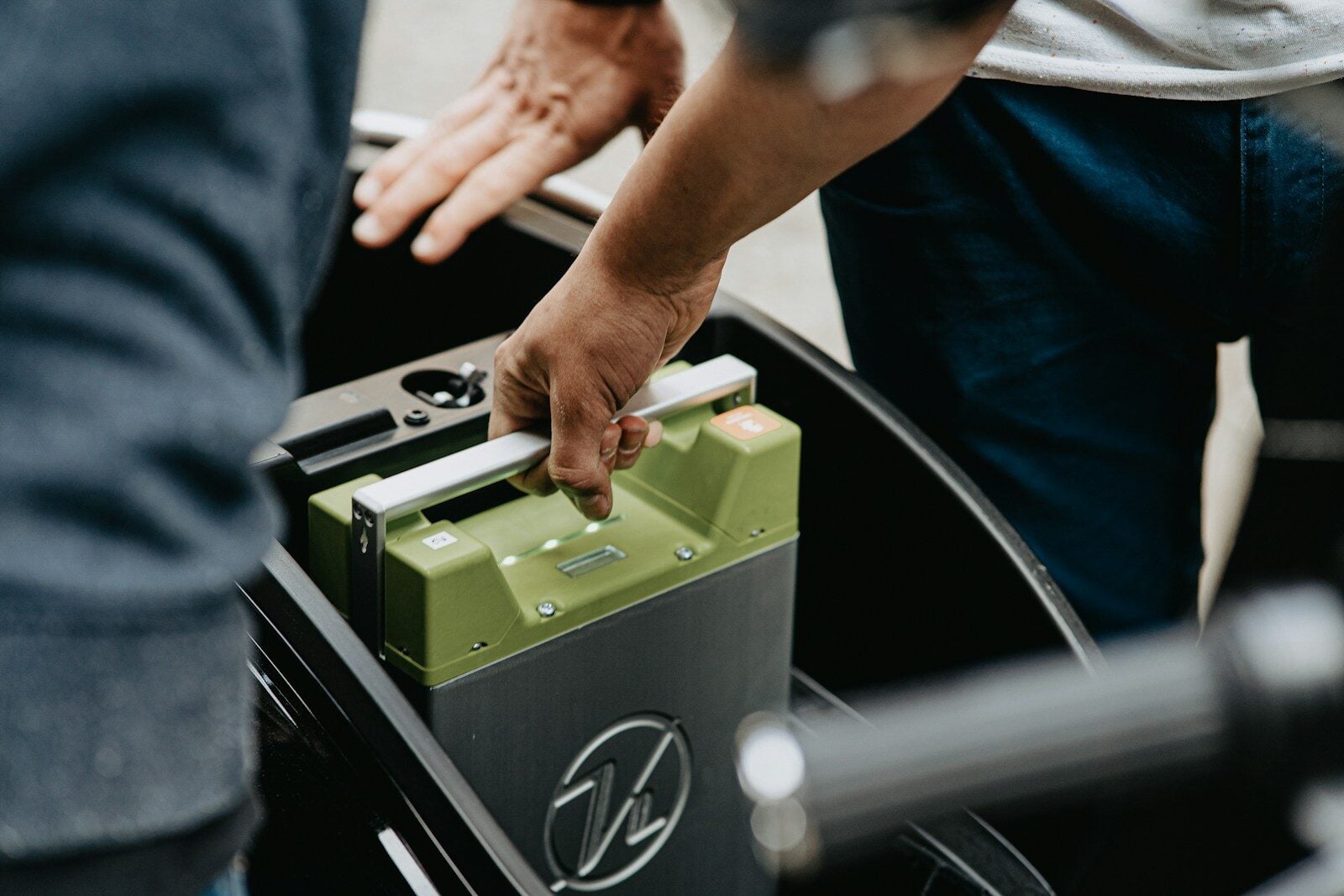
The automotive industry’s transition toward lower-emission mobility is not only changing how vehicles are powered. It is also changing how valuable components are sourced, maintained, reused, and eventually recycled. One of the clearest examples is the growing second-life market for hybrid batteries.
When a hybrid vehicle is dismantled, exported, damaged, or removed from service, its battery does not automatically become waste. A unit from a low-mileage vehicle may retain significant useful capacity and, after appropriate inspection and testing, can support another vehicle’s operation. For workshops, parts distributors, importers, resellers, and fleet maintenance teams, this creates an opportunity to reduce costs while participating in a more circular automotive economy.
What Does “Second Life” Mean for a Hybrid Battery?
A second-life battery is a previously installed unit that has been recovered for continued use rather than immediately entering the recycling stream. This does not mean every used battery is suitable for resale. Commercially viable reuse depends on factors such as condition, voltage stability, model compatibility, service history, mileage, storage, and the quality of the inspection process.
The distinction matters because second-life supply should never be treated as a random stream of salvaged parts. Business buyers need reliable information and repeatable procurement standards. A workshop ordering one replacement has different requirements from an importer purchasing a mixed bulk shipment, but both need confidence that the available inventory has been checked before collection or dispatch.
Responsible reuse therefore begins with disciplined sourcing. Batteries recovered through established dismantlers, dealership-related channels, or other trusted automotive supply partners are generally easier to evaluate than units with unclear origins. When that sourcing is followed by inspection and voltage testing, second-life components can become commercially useful inventory instead of prematurely discarded material.
Why Reuse Matters to the Circular Automotive Economy
A linear automotive supply chain follows a familiar pattern: manufacture, install, use, discard, and replace. A circular model aims to preserve the value already embedded in products and materials for as long as practical. For battery systems, that means prioritizing suitable reuse before material recovery becomes necessary.
This approach can create several practical benefits:
- Longer component life: Reuse extends the service period of a battery that might otherwise leave the value chain too early.
- Reduced demand for new production: Every appropriate second-life installation can reduce immediate reliance on a newly manufactured replacement.
- More cost-conscious repairs: Used units can give workshops and vehicle operators another procurement option when a new replacement is commercially impractical.
- Lower waste pressure: Keeping functional components in use delays disposal and supports more deliberate end-of-life management.
- Better use of existing supply: Recovery from low-mileage or dismantled vehicles allows the automotive sector to capture value that has already been created.
The environmental benefit, however, should not be separated from performance. Sustainability only works in commercial vehicle maintenance when the component is suitable for the intended application. That is why the circular economy requires competent suppliers, transparent processes, and informed buyers—not merely more used products.
What Commercial Buyers Should Evaluate
1. Model and Generation Compatibility
Vehicle make and model are not always enough to identify the correct unit. Toyota Prius, Toyota Aqua or Yaris, Toyota Camry, and Lexus RX Hybrid batteries may vary by generation, market, configuration, and voltage requirement. Buyers should provide complete vehicle information when requesting stock and should confirm compatibility before placing a bulk order.
2. Testing and Inspection
A visual check alone cannot establish battery condition. Commercial buyers should ask whether the unit has been inspected for physical issues and subjected to voltage testing. They should also clarify whether testing takes place before the battery enters inventory, before shipment, or at both stages.
Hybrid Hive addresses this concern by sourcing through trusted partners in Japan and applying a dual-inspection process within its supply chain. Units are checked for good condition and voltage-tested before being prepared for warehouse pickup or shipment. This process is particularly relevant for resellers and workshops whose own reputations depend on the consistency of every supplied hybrid car battery.
3. Inventory Depth and Repeat-Order Capacity
A supplier may be able to locate a single battery without being equipped to support ongoing commercial demand. Parts distributors, importers, and fleet teams should assess whether a potential partner maintains business-ready stock, handles bulk quantities, and can support repeat purchases for popular models.
Inventory depth is also important when demand changes unexpectedly. If several vehicles require service at once, waiting for batteries to be sourced individually can increase workshop downtime and disrupt customer schedules. A wholesale supplier with established stock in the UAE can shorten the path from enquiry to availability confirmation.
4. Transparent Quotations and Fulfilment
A dependable supply process should be easy to understand. Buyers should be able to submit the model, generation, quantity, and voltage requirement; receive a stock confirmation; review a transparent quotation; and arrange collection or shipment. If the requested configuration is unavailable, the supplier should communicate that promptly and suggest an appropriate alternative where possible.
This process-oriented approach is central to Hybrid Hive’s positioning as a Sharjah-based B2B supplier rather than a casual retail seller. The company supports distributors, automotive workshops, importers, resellers, and fleet maintenance operations with bulk-ready inventory, warehouse pickup, and international shipping arrangements after payment confirmation.
How UAE-Based Supply Supports Regional and Global Trade
The UAE’s logistics infrastructure makes it a practical hub for automotive components sourced from markets such as Japan and distributed to commercial buyers elsewhere. For second-life battery procurement, a UAE warehouse can provide a useful consolidation point where stock is received, inspected, stored, quoted, and prepared for onward shipment.
This arrangement can help importers reduce fragmented sourcing. Instead of negotiating separately for small quantities from multiple origins, a buyer can work with a specialist supplier that maintains inventory for high-demand models and understands export preparation. Workshops and local distributors may also benefit from faster warehouse collection when stock is already available in Sharjah.
Scale provides an additional confidence signal. Hybrid Hive reports more than 20,000 batteries supplied or processed and displays a 4.9 positive review signal. These figures should not replace a buyer’s own due diligence, but they indicate experience with the practical requirements of battery sourcing, testing, communication, and order fulfilment.
Building a Better Second-Life Procurement Policy
Businesses can strengthen purchasing decisions by creating a simple internal checklist. Record the full vehicle details, define acceptable testing requirements, verify quantities, confirm pickup or shipping terms, and document which suppliers can meet recurring demand. Procurement teams should also track installation outcomes over time. This turns purchasing history into useful operational data and helps identify dependable stock sources.
It is equally important to distinguish responsible reuse from indefinite reuse. Batteries that do not meet condition or performance requirements should move toward appropriate recycling or material recovery channels. A genuinely circular economy uses each product at its highest practical value while recognizing when the next stage of the lifecycle has arrived.
For businesses seeking tested, bulk-ready second-life inventory, the next practical step is to prepare a request containing the vehicle model, generation, required quantity, and voltage specification, then ask Hybrid Hive to confirm current availability. Clear information at the beginning helps the supplier quote accurately, propose alternatives when necessary, and organize pickup or export efficiently.
Second-life battery supply demonstrates that sustainability and commercial performance do not have to compete. With transparent sourcing, meaningful testing, compatible inventory, and reliable fulfilment, the automotive sector can keep valuable components in service longer while helping workshops, distributors, importers, and fleets control costs and maintain continuity.


-

 Resources5 years ago
Why Companies Must Adopt Digital Documents
-

 Resources4 years ago
A Guide to Pickleball: The Latest, Greatest Sport You Might Not Know, But Should!
-

 Resources1 year ago
50 Best AI Free Tools in 2025 (Tried & Tested)
-

 Resources1 year ago
Get Paid $5000+ a month to write : Discover 30 Spectacular Websites That Reward Your Writing Effort