Blogs
Buy Crypto With Debit Card No KYC: A Founder’s Checklist

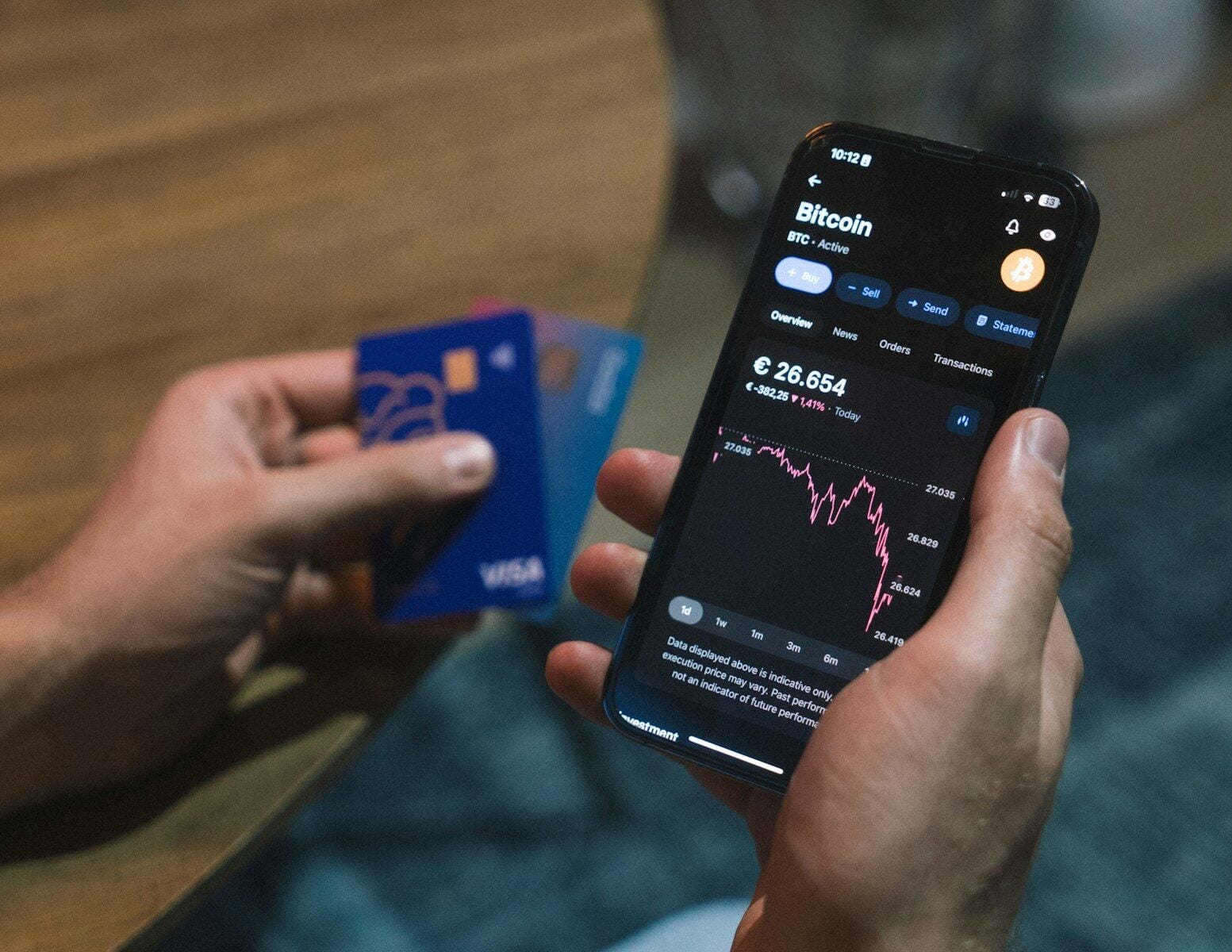
The email account is open, the purchase widget is loaded, and a debit card is ready. Then checkout asks for personal details that the landing page never mentioned. For a founder searching “buy crypto with debit card no kyc”, that second step matters more than the signup promise. A useful offer must work for the buyer’s U.S. location, accept the actual card, disclose the purchase cost, and deliver usable crypto without an unexpected documentation requirement. An empty account created with an email address proves very little.
If a First-Time Founder Searches “buy crypto with debit card no kyc”, Check U.S. Eligibility First
U.S. purchase eligibility comes before fees, supported coins, or signup speed. A website that accepts an American email address hasn’t necessarily confirmed that its card-payment partner serves the buyer’s state.
The first named step is an eligibility check: identify the business handling the card payment, then check its supported countries, states, and billing locations. When a purchase widget redirects to another company, that company’s requirements matter too. The storefront’s account policy may not describe the checkout provider’s rules.
A founder’s next decision depends on the job the money needs to do:
| Buyer profile | Best-fit route | What to check |
|---|---|---|
| First-time founder | Eligible card-to-crypto provider | Checkout documentation |
| Recurring business buyer | Repeatable purchase route | Card support and total cost |
| Wallet-delivery freelancer | Purchase with external delivery | Network and withdrawal access |
| Crypto-paid operator | Direct payment, sale, or spending card | Merchant needs and funding costs |
The table separates different purchasing needs. Someone paying a contractor’s crypto invoice needs coins delivered to a compatible wallet. Someone holding crypto and buying software needs a way to spend existing funds. A product can be useful for one task and irrelevant to the other.
For U.S. buyers, a country flag or dollar-denominated price isn’t enough. The meaningful confirmation covers the specific payment service and intended transaction.
If a Crypto-Paid Operator Already Holds Funds, Choose the Spending Route Instead
Existing crypto changes the decision from buying an asset to paying a business expense. There may be no reason to make another debit card crypto purchase at all.
Three routes deserve consideration. Direct crypto payment fits a supplier that accepts the asset and network already held. Selling through an exchange fits an expense that needs bank funds. A crypto-funded spending card fits a merchant that takes cards rather than crypto.
For the last route, WaldenPay’s crypto virtual card is one example to compare with direct payment and an exchange sale. It offers email-only signup without identity documents for standard use, with virtual cards funded using 135+ cryptocurrencies across 35+ networks. Crypto converts to card balance when loaded; the card doesn’t purchase crypto using an existing bank debit card.
That distinction prevents a costly detour when comparing “buy crypto with debit card no kyc” results.
A short glossary helps keep the direction clear:
- On-ramp: A service that turns conventional money, such as a bank-card payment, into cryptocurrency.
- Crypto-funded spending card: A card loaded with cryptocurrency so its owner can make purchases through a card network.
The operator should decide which direction the money must travel before comparing signup requirements. Similar product names can hide opposite functions.
If a Recurring Business Buyer Needs Repeat Purchases, Check the Actual Debit Card
A supported card-network logo doesn’t answer whether a particular business debit card will work. The relevant details include issuer country, billing address, card type, and the name attached to the payment account.
A recurring buyer evaluating “buy crypto with debit card no kyc” should get those details resolved before treating the service as part of a purchasing workflow. A personal debit card, company card, and prepaid card shouldn’t be assumed interchangeable.
The practical card-support checklist is short:
- Confirm whether the provider accepts the intended debit-card type and issuing country.
- Check whether the cardholder’s name must match the purchasing account.
- Identify any billing information required at checkout.
- Establish whether the bank requires payment authentication.
- Check what happens after a declined or canceled payment, including any authorization hold.
Payment authentication and identity-document review are different steps. A bank approval screen isn’t necessarily an ID upload, but an email-only signup doesn’t remove the bank from a card transaction.
For a company expense, the card should also belong to the person or business authorized to make the purchase. Borrowed payment details create avoidable ownership and refund complications.
And a successful initial transaction isn’t a permanent approval. Repeat purchasing needs clear rules for later orders, not just a working first checkout.
If a Freelancer Needs Coins in a Wallet, Verify Delivery Before Comparing Prices
The useful product is spendable crypto in the required wallet, not merely a balance displayed on a website. Custody and delivery deserve the same attention as checkout requirements.
For a freelancer comparing “buy crypto with debit card no kyc” offers, the first custody question is where the purchased asset lands. Some purchase flows ask for an external wallet address; others credit an account controlled by the service. The buyer should establish which model applies before paying.
A freelancer who needs to buy USDT with debit card must also match the recipient’s network. The asset name alone doesn’t establish compatibility. A recipient’s invoice should identify both the coin and the network, and the purchase route must support that combination.
The named step here is a delivery check. It records the destination wallet, supported network, estimated delivery process, withdrawal minimum, and any separate withdrawal charge.
A purchase isn’t ready for business use until the buyer knows how the funds leave the provider.
Custodial delivery adds another question: can the account withdraw immediately after the purchase, or does withdrawal require an additional review? A service that allows buying before explaining withdrawal requirements creates a cash-flow risk, even when its headline price looks attractive.
If a First-Time Founder Wants to “buy crypto with debit card no kyc”, Map Every Document Check
The no-KYC claim must describe the purchase and withdrawal stages, not just account creation. This is the most important distinction in the comparison.
StealthEX’s 2026 purchasing guidance notes that buying crypto with a credit or debit card can still require personal details under a no-KYC description. It also notes that larger card-funded purchases may require identity verification. There is no useful universal dollar cutoff to infer from that claim.
A founder should therefore build a documentation map covering separate stages:
- Registration: Record whether opening an account requires only an email or additional personal information.
- Checkout: Identify billing details, identity documents, or other information requested by the payment provider.
- Review: Establish what happens if the transaction needs additional checks after payment begins.
- Withdrawal: Confirm whether moving purchased crypto triggers a separate requirement.
Specific document questions are more useful than asking whether the service is “verified.” The buyer needs to know whether a government ID, selfie, proof of address, or other material could be requested at each stage.
If the documentation policy is unclear, written support confirmation is worth obtaining before payment. Any answer should cover the intended U.S. location, card type, purchase amount, and withdrawal route.
No-KYC language also shouldn’t be treated as a promise that a bank-card payment leaves no records.
If a Recurring Business Buyer Expects Volume, Compare Delivered Value
The best purchase quote is the one that delivers the required crypto at an acceptable total cost. A low advertised processing fee can be an incomplete comparison.
A useful crypto on-ramp comparison captures quotes at roughly the same time for the same payment amount, asset, and delivery network. It separates the card charge, provider fee, quoted crypto amount, and any cost of moving funds into the intended wallet.
For “buy crypto with debit card no kyc” offers, privacy preferences belong in that calculation too. According to 99Bitcoins’ 2026 guidance, routes that prioritize anonymity can involve higher fees, tighter transaction limits, and more effort than a standard exchange.
Those trade-offs matter to a founder making recurring supplier payments. A route that needs manual intervention for every order can consume time even when its transaction fee seems reasonable.
The comparison sheet should capture:
- Total dollars charged to the debit card.
- Crypto expected at the final destination.
- Minimums, maximums, and repeat-purchase restrictions.
- Quote expiration and payment-completion requirements.
- Refund handling if the order cannot proceed.
Unclear pricing is a reason to pause, not an invitation to estimate. A buyer should be able to explain why the final wallet amount differs from the headline quote before authorizing a business payment.
If a Crypto-Paid Operator Chooses a Spending Card, Evaluate Its Separate Economics
A spending card needs its own fee and usability comparison because it solves the opposite problem from an on-ramp. Its value lies in turning existing crypto into purchasing power.
CryptoSlate’s 2026 review notes that very few crypto credit cards genuinely fit a no-KYC description. Most cards marketed that way are prepaid or debit-style products that require funding before spending. A result found through “buy crypto with debit card no kyc” may therefore describe a spending tool rather than a buying service.
For operators comparing that category, WaldenPay’s no-KYC crypto card guide offers a separate starting point for evaluating card claims and provider requirements.
Its own virtual-card pricing includes a $10 one-time issue fee, a $50 minimum top-up, and no monthly maintenance fee. Top-up fees start at 5% and automatically fall as low as 3%, based on rolling 30-day card spend. Those are card-funding costs, not prices for buying crypto with a bank debit card.
Apple Pay and Google Pay support, along with online card details, can matter for business purchasing. But direct crypto payment and an exchange sale remain alternatives. The decision should follow the supplier’s payment method, expected spending frequency, and total funding cost, rather than the appeal of a signup label.
If a Freelancer Has a Deadline, Test the Full Withdrawal Path Before Depending on It
A deadline-sensitive payment needs a proven delivery path before it needs a larger purchase. The final comparison should favor a complete, understandable transaction over a promising registration screen.
The named step is an end-to-end test: after confirming eligibility and terms, a freelancer can use a modest purchase within published limits to observe checkout, account crediting, and delivery to the intended wallet. This tests the workflow; it doesn’t establish that future purchases will have identical requirements.
Particular attention belongs on the point where payment succeeds but delivery remains pending. The buyer should know which company handles that stage, how support identifies the order, and what the cancellation or refund process requires.
A useful transaction record includes the quote, charged amount, order reference, destination network, and final delivery confirmation. These details help reconcile a business expense and give support something concrete to investigate.
If withdrawal access or documentation requirements remain unexplained, the route isn’t ready for a supplier deadline. A clearer alternative may serve the business better even if account setup takes longer.
Next time an offer promises “buy crypto with debit card no kyc”, the buyer should check U.S. eligibility, actual card support, checkout documents, total delivered cost, and withdrawal access before committing funds.



-

 Resources5 years ago
Why Companies Must Adopt Digital Documents
-

 Resources4 years ago
A Guide to Pickleball: The Latest, Greatest Sport You Might Not Know, But Should!
-

 Resources1 year ago
50 Best AI Free Tools in 2025 (Tried & Tested)
-

 Resources1 year ago
Get Paid $5000+ a month to write : Discover 30 Spectacular Websites That Reward Your Writing Effort