Resources
Crypto Security: Safeguarding Digital Assets with Privacy, Tools & Best Practices

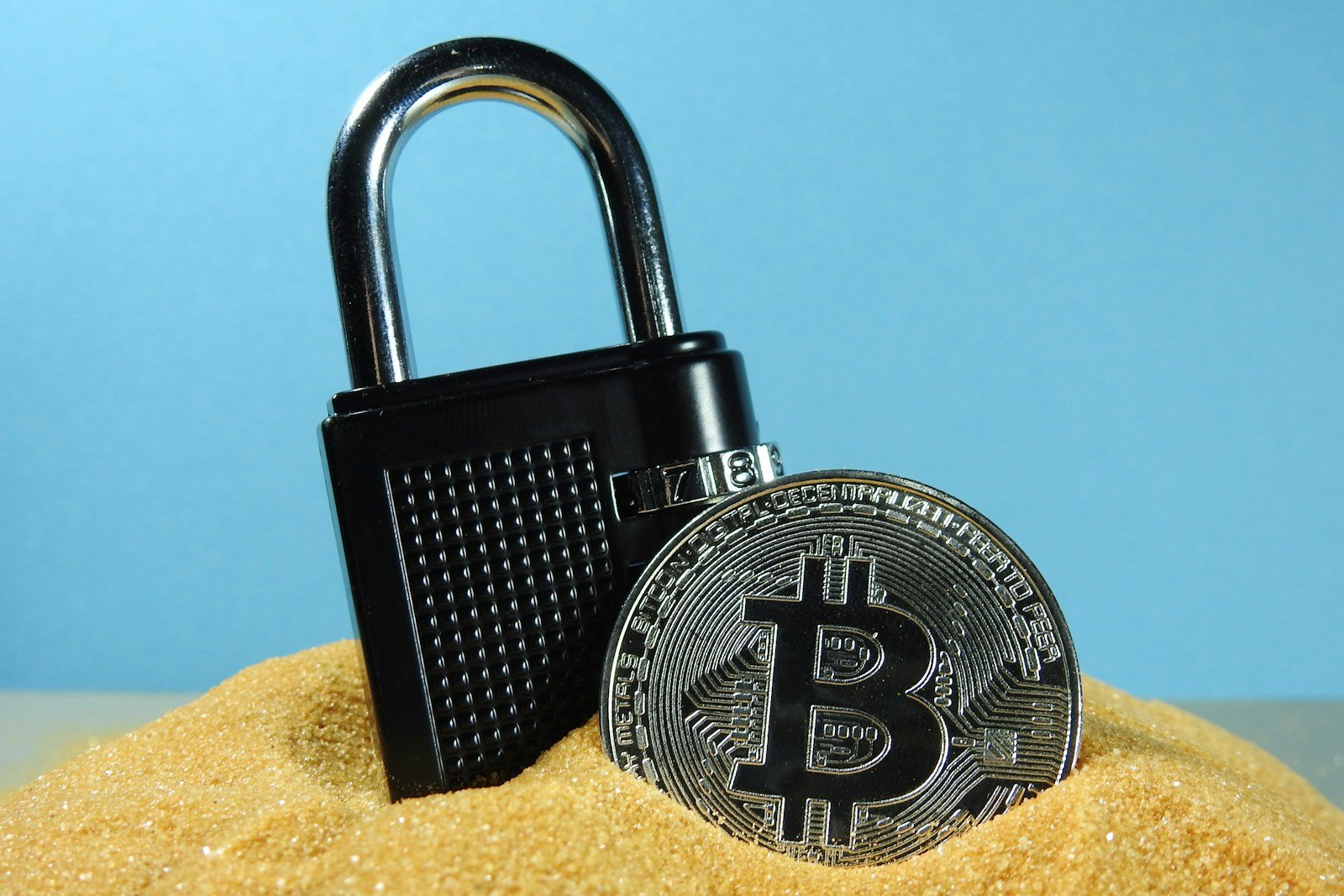
In today’s world of blockchain and cryptocurrencies, secure storage and data protection have become non-negotiable pillars of responsible digital asset ownership. As adoption increases among individual investors, institutions, and even nation-states, so does the sophistication of cyber threats, surveillance, and compliance requirements. Ensuring the safety of crypto holdings and maintaining secure and well-controlled transaction processes is no longer optional—they are mission-critical.
This comprehensive guide explores the best practices, emerging tools, and evolving trends in crypto security, with expert insights from trusted sources like BitHide and research-backed analysis on AML compliance challenges in crypto.
The Importance of Secure Crypto Storage
Why Crypto Needs a New Security Paradigm
Unlike traditional finance, cryptocurrency transactions are irreversible. If access to a wallet is compromised—whether due to phishing, poor key management, or malware—the assets are often unrecoverable. This has made secure storage solutions the first line of defense in crypto investment strategies.
According to BitHide analysts, “The self-custody ethos that underpins crypto also places immense responsibility on users to protect their assets. Security failures, not market volatility, remain the biggest threat to long-term crypto portfolios.”
Hot Wallets vs. Cold Wallets
Two primary storage methods dominate the crypto landscape:
- Hot Wallets: These are connected to the internet and are commonly used for daily transactions. Examples include browser extensions (like MetaMask), mobile apps (like Trust Wallet), and exchange-based wallets (like Binance Wallet). Their convenience is offset by higher vulnerability.
- Cold Wallets: These are offline storage solutions such as hardware wallets (Ledger, Trezor) or even air-gapped computers. They are far more secure for long-term storage but less accessible for active trading.
Best Practices for Wallet Security
- Use Hardware Wallets: For any serious investor, hardware wallets provide unparalleled security against malware, phishing, and online hacks.
- Enable 2FA (Two-Factor Authentication): Especially for hot wallets and exchange logins, this adds an essential extra layer of protection.
- Secure Your Seed Phrase: Never store it digitally. Instead, use metal plates or offline printed copies stored in safe locations.
- Avoid Public Wi-Fi: Never perform wallet transactions or logins over untrusted networks.
- Create a Multisig Setup: Requiring multiple signatures to authorize transactions can dramatically reduce single points of failure.
Security and Data Protection in Cryptocurrency Transactions
Blockchain Transparency and Its Implications
Blockchain’s openness is part of its strength, offering transparency, immutability, and auditability. However, this transparency also makes every transaction traceable—potentially exposing more information than expected. Wallet addresses, once tied to a person or organization, can reveal balances, activity patterns, and transactional relationships.
According to BitHide, “Effective data protection in blockchain is not about avoiding oversight, but about managing how transaction data is handled and accessed within a secure and controlled environment.”
Tools for Secure Transaction Management
- Non-Custodial Wallets
Non-custodial wallets give businesses full control over their private keys and funds. This reduces dependency on third parties and allows companies to manage their own transaction processes and security policies. - Access Control and Multi-Layer Security
Implementing role-based access, 2FA, and approval workflows helps protect funds from unauthorized access and internal risks. - Transaction Automation Tools
Automation features such as scheduled payouts, batch payments, and auto-withdrawals help streamline operations while reducing manual errors. - Infrastructure-Level Protection
Self-hosted solutions allow companies to manage their crypto operations within their own environment, ensuring that sensitive data and transaction flows remain under internal control. - Address Management and Payment Structuring
Using dedicated addresses for different transactions or clients helps organize financial flows and improves operational transparency without exposing sensitive business data.
Regulatory Pressure and AML in Crypto
As crypto goes mainstream, global regulators are ramping up efforts to enforce Anti-Money Laundering (AML) and Know Your Customer (KYC) compliance. While these laws help fight illicit activity, they require businesses to adapt their infrastructure to meet evolving compliance requirements.
A detailed breakdown of cryptocurrency-related AML risks and compliance strategies is available from BitHide’s AML resource. This analysis outlines how modern security architectures can support regulatory obligations while enabling controlled and compliant data management.
Key takeaways include:
- Decentralized exchanges (DEXs) are facing new reporting requirements.
- Self-hosted wallets are under increasing scrutiny, particularly in the EU and the US.
- Travel Rule enforcement requires exchanges to share transaction data for transfers above a certain threshold.
Emerging Trends in Crypto Security
1. MPC (Multi-Party Computation) Wallets
MPC wallets distribute private key control among multiple devices or users without ever generating a complete private key in a single location. This prevents single-point attacks and is gaining traction among institutional investors.
2. Threshold Signature Schemes (TSS)
TSS is another cryptographic solution that allows decentralized control over signing transactions. Compared to traditional multisig, TSS is more scalable and secure.
3. Decentralized Identity (DID)
DID solutions allow users to prove ownership or compliance while minimizing unnecessary data exposure. This enabling efficient verification processes in AML/KYC workflows.
4. Zero-Knowledge Proofs (ZKPs)
ZKPs are at the heart of next-gen advanced cryptographic protocols. They enable transactions to be validated while limiting unnecessary data exposure —offering a game-changing leap in both security and compliance.
5. Smart Contract Audits
With DeFi on the rise, smart contract vulnerabilities have become a lucrative target. Services like CertiK, Hacken, and OpenZeppelin provide comprehensive auditing to prevent exploits.
Expert Tips for Crypto Security in 2025 and Beyond
To future-proof your digital assets, experts recommend the following:
- Segmented Wallet Use: Keep different wallets for trading, savings, and daily spending. This limits exposure in case of a breach.
- Security Hygiene: Regularly update devices, run antivirus scans, and revoke access from unused dApps.
- Phishing Awareness: Always verify URLs, especially for login pages and wallet transactions.
- Backup Redundancy: Maintain multiple secure backups of wallet seeds—geographically distributed and tested regularly.
- Insurance Options: Consider platforms offering crypto insurance for large holdings.
Institutional Adoption: Security at Scale
Enterprises and institutional investors are adopting crypto at a rapid pace, bringing with them expectations of bank-grade security. This has led to the rise of:
- Custodial Solutions: Fireblocks, Coinbase Custody, and BitGo cater to institutions with compliance-ready, insured storage, while alternative non-custodial approaches provide businesses with greater operational control.
- Automated Governance Controls: Platforms now offer programmable controls, such as setting withdrawal limits or enforcing multi-approver schemes.
- Compliance Integrations: Real-time AML monitoring tools are embedded into wallet infrastructure to flag suspicious transactions automatically.
Case Studies: Learning from Breaches
1. Ronin Network (Axie Infinity)
In 2022, $625M was drained from the Ronin bridge after private keys were compromised. The exploit highlighted the dangers of centralized validators and underscored the need for MPC and TSS.
2. FTX Exchange Collapse
While not a direct security breach, FTX’s failure emphasized the importance of self-custody and transparency. Thousands lost funds due to lack of on-chain proof of reserves and custodial mismanagement.
3. Ledger Data Leak
Though Ledger wallets are secure, a marketing database breach exposed customer addresses and emails. This incident is a reminder that operational security matters just as much as wallet security.
Final Thoughts: The Road Ahead for Crypto Security and Data Protection
The crypto landscape continues to shift, with security and data protection playing increasingly pivotal roles. From zero-knowledge innovations to hybrid compliance solutions, users now have powerful tools to balance security, control, and compliance requirements.
Still, vigilance remains essential. As custodians of their financial sovereignty, crypto users must embrace best practices, stay informed, and use advanced tools like those offered by BitHide to navigate a complex and evolving threat landscape.


-

 Resources5 years ago
Why Companies Must Adopt Digital Documents
-

 Resources4 years ago
A Guide to Pickleball: The Latest, Greatest Sport You Might Not Know, But Should!
-

 Resources1 year ago
50 Best AI Free Tools in 2025 (Tried & Tested)
-

 Resources1 year ago
Get Paid $5000+ a month to write : Discover 30 Spectacular Websites That Reward Your Writing Effort